Home | Oct. 2026
WHY SEWER FAILURES START SMALL
By Contributor
WORDS BY ANDY VISCONI, SEWER & DRAIN SPECIALIST

JWC Media
a luxury lifestyle website that delivers a colorful and passionate telling of neighboring events, fashion, beauty, finance, and the pursuit of leisure.
By Contributor
WORDS BY ANDY VISCONI, SEWER & DRAIN SPECIALIST

Most serious sewer problems do not begin as serious sewer problems. They begin quietly, gradually, and out of sight.
That is part of what makes them so disruptive. By the time a homeowner experiences a backup, soggy lawn, persistent odor, or slow drains throughout the house, the underlying condition may have been developing for years. What feels sudden is often anything but.
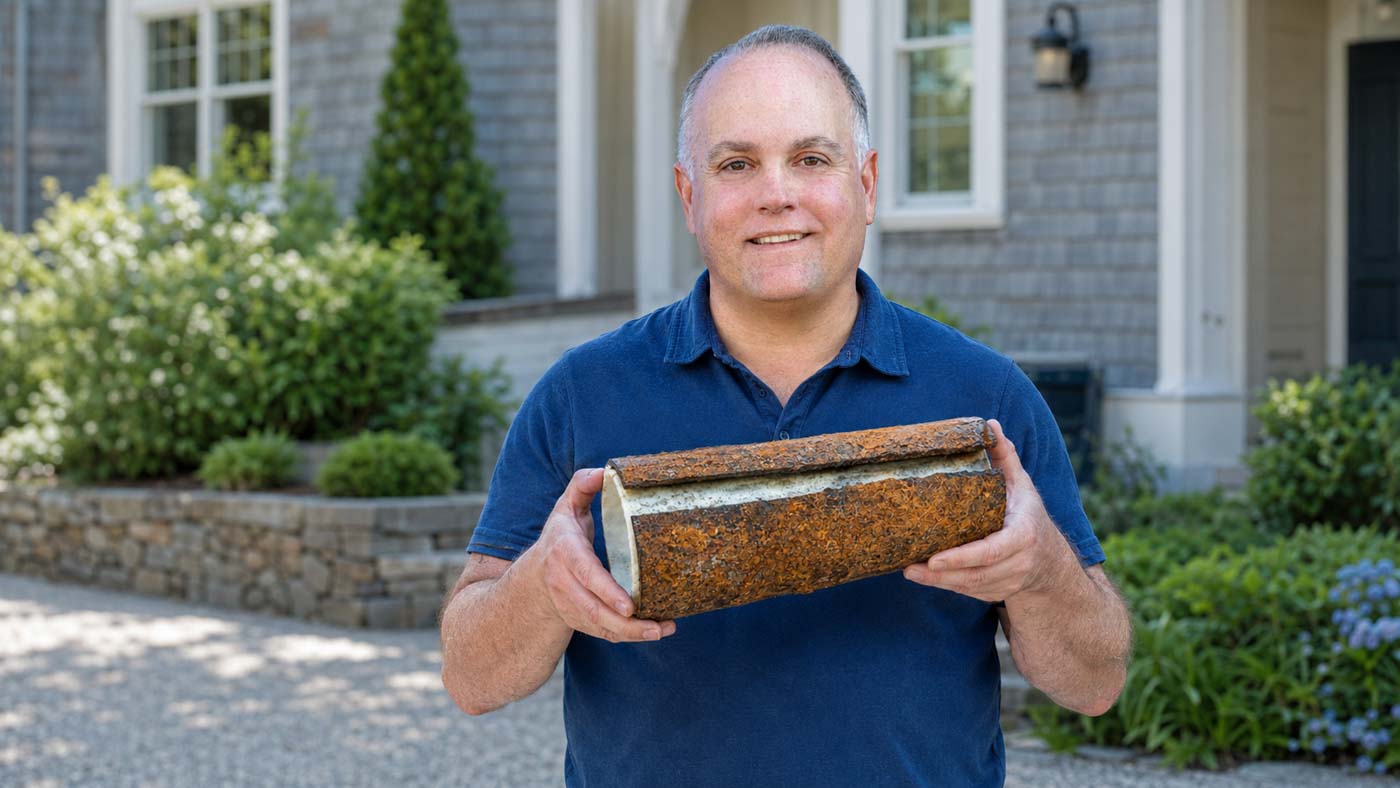
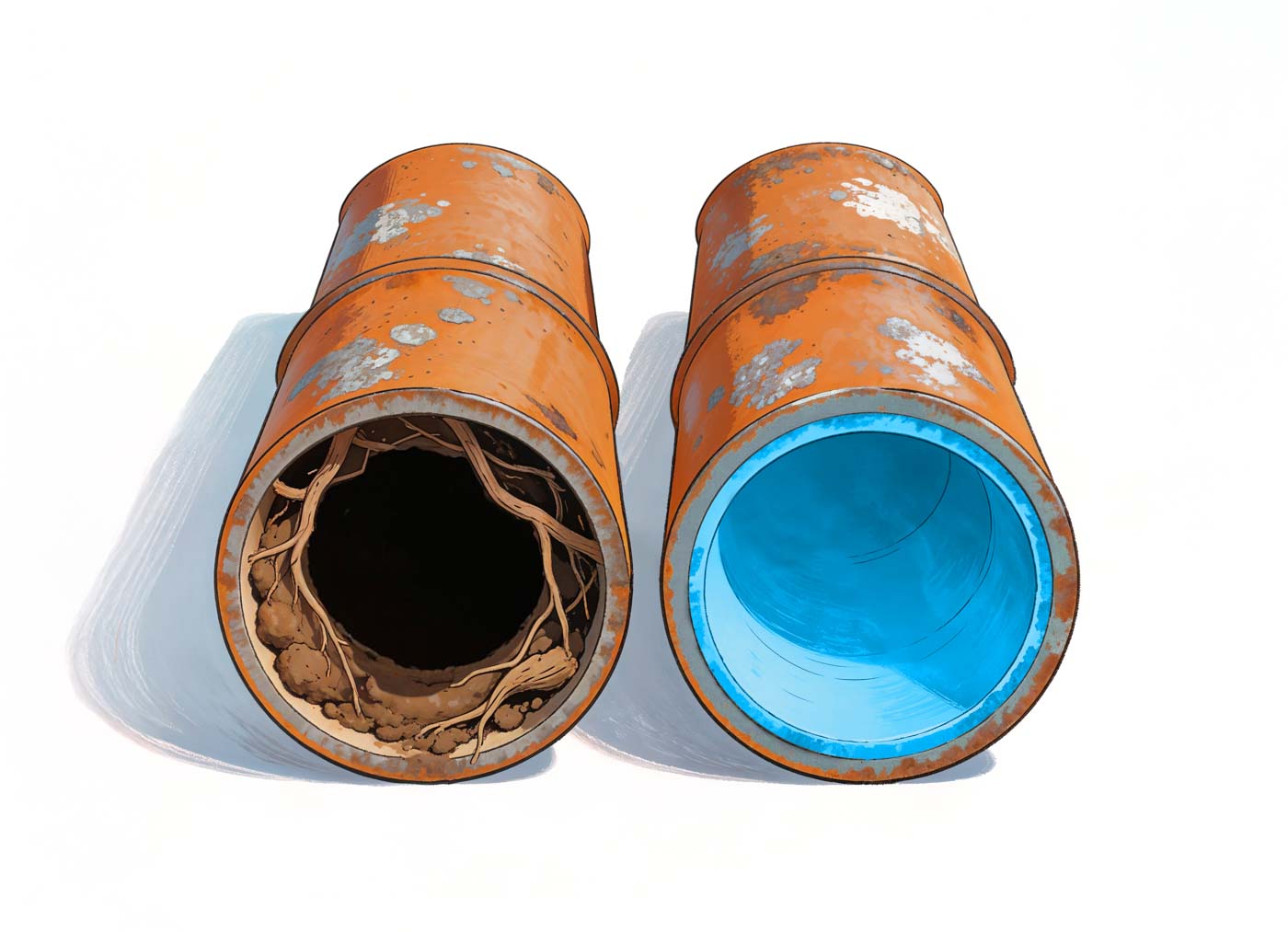
On the North Shore, this is especially common in older homes. Many homes still rely on aging clay or cast iron sewer lines below grade. These materials can last a long time, but they do not last forever. Clay sewer lines often begin to fail at the joints, where shifting soil can create small separations that allow moisture to escape and tree roots to enter. Cast iron tends to deteriorate differently, corroding over time until the pipe wall weakens, roughens, or begins to break down.
In either case, the process usually starts small. A hairline crack. A slightly offset joint. A small root intrusion. A patch of corrosion. A minor belly in the line where water no longer flows as cleanly as it should. At first, none of these issues may seem dramatic. The line may still carry waste. Fixtures may still drain. There may be no obvious sign of trouble inside the home.
But sewer lines don’t heal on their own. Small defects become larger ones.
A tiny opening in a pipe attracts roots. Roots expand and begin catching toilet paper, grease, and debris. A rough patch of corrosion inside cast iron will slow flow and collect waste. A slight sag in the line can hold water and allow solids to settle. Over time, what began as a minor imperfection becomes a recurring obstruction, a weak point, or a structural failure.
This is why homeowners are often surprised when they learn the condition of their sewer line during a camera inspection. They may have only noticed an occasional slow drain or one isolated backup. But underground, the pipe may already be showing multiple signs of deterioration. The visible symptom is often only the final stage of a much longer process.
That is also why maintenance matters. Sewer rodding and hydro jetting can be very effective at clearing a blockage and restoring flow. In many cases, that is exactly the right first step. But if the underlying issue is a crack, separated joint, corrosion, or root entry point, cleaning alone will only provide temporary relief. The line may be flowing again, but the defect remains.
For aging sewer lines, catching these issues early can make a major difference. In many cases, trenchless sewer lining can restore a compromised line before a failure becomes catastrophic. By creating a new, seamless pipe within the old one, lining addresses the weak points where roots, leaks, and deterioration begin. It also helps homeowners avoid the greater cost and disruption of waiting until excavation becomes unavoidable.
The important thing to understand is simple: sewer failures rarely begin with collapse. They begin with neglect, age, and small defects that go unseen for too long.
Most sewer problems begin years before homeowners notice them. The only way to truly understand the condition of your sewer line is with a camera inspection. Cahill offers North Shore homeowners a $79 sewer camera inspection to help them understand the health of their sewer before problems start.
For more information, call Andy directly at 847-865-4443 or visit cahillplumbers.com.