Features | Aug. 2026
THE LIVING KITCHEN
By Contributor

JWC Media
a luxury lifestyle website that delivers a colorful and passionate telling of neighboring events, fashion, beauty, finance, and the pursuit of leisure.
By Contributor
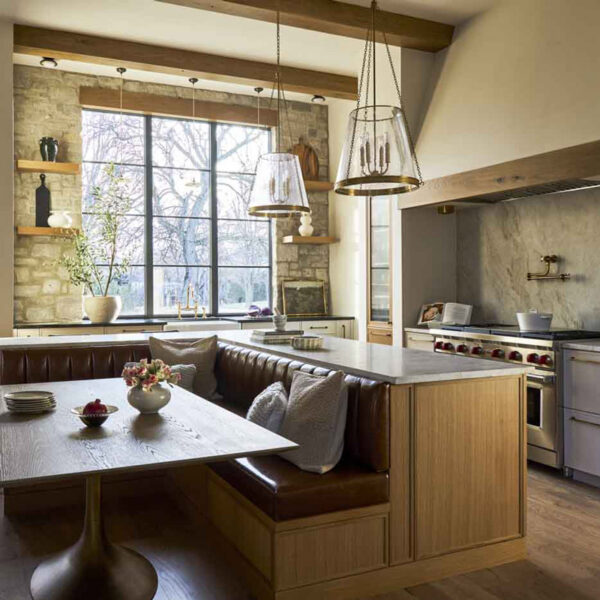
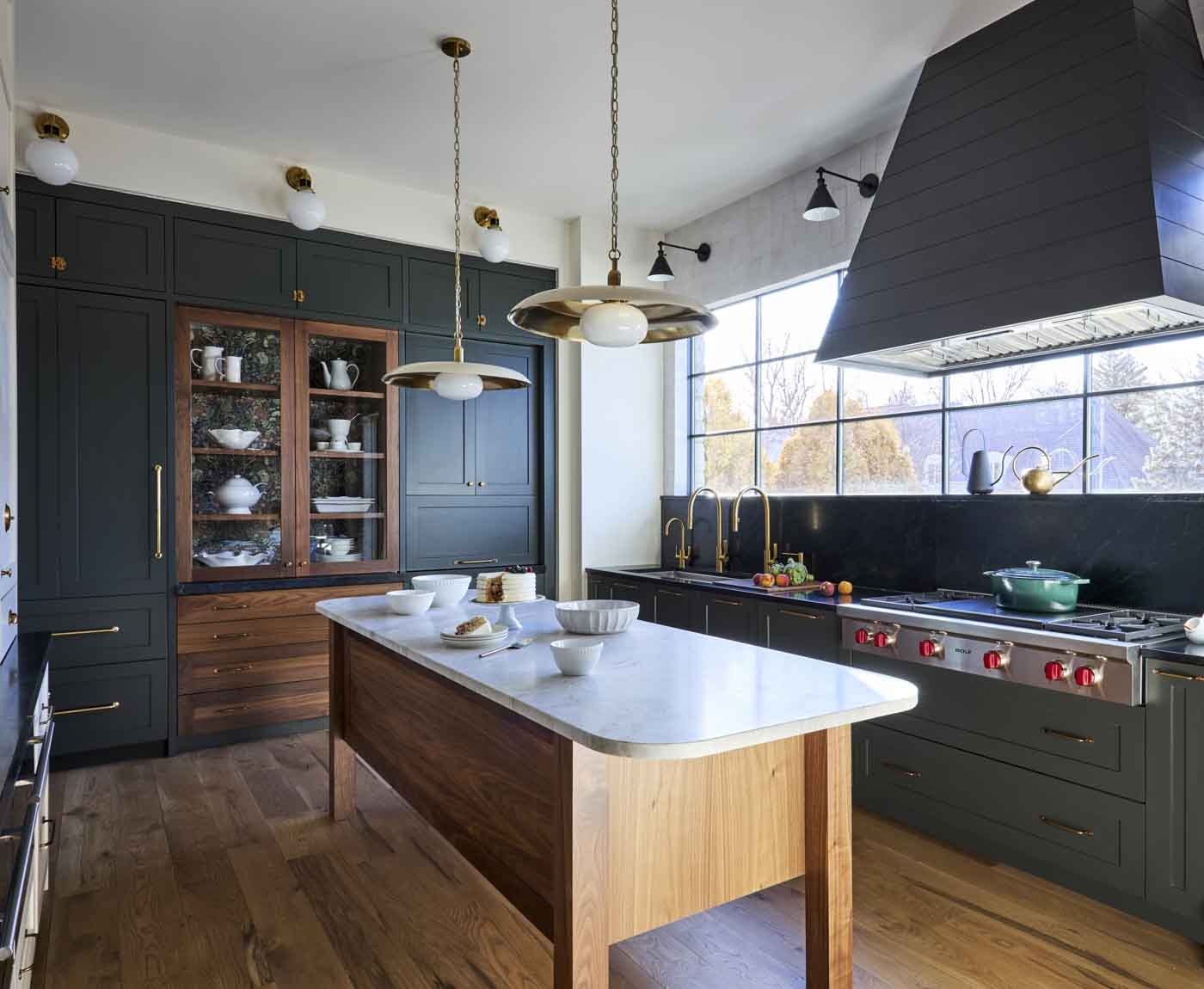
At Drury Design in Glen Ellyn, the proof is in the process. That’s where any project begins for this design-build firm, particularly when remodeling or reimagining the heart of every home—the kitchen.
For Gladys Shanstra, owner and creative director, that process begins with a conversation. She’ll start by asking the homeowner basic questions about what’s not working in their current cook space but goes deeper to find out what’s really motivating the change.
“Oftentimes it’s the subconscious motivations that point us toward what will make a space truly work—both stylistically and functionally—for years to come,” explains Shanstra.
While she understands that in today’s world, it’s common to come into a design project with an inspirational mood board, she says the best kitchen designs go beyond what’s trending on social media or what design publications tell them is “in” this year.
“I encourage clients to set it aside for a moment so we can first discover what they truly want before looking at outside inspiration,” says Shanstra. “I think when someone’s investing earned resources in their space, they should get what they want and not what media is telling them they should get.”
Instead, she encourages them to focus on their own needs and interests to create a space that is truly personal.
“What’s interesting to them when they’re traveling? What is a keepsake and why is it important? Those are the personal touches,” adds Shanstra. “I think when we look at that and combine the logistics of layout, floor plan, and flow, we start to get a better picture of what functions best.”

Then comes the fun part—material selections that bring that vision to life.
“I think it’s important to explore options and give the client the ability to look at different solutions before settling on a final one so that it can be executed properly,” she continues. “It could be anything from going through a particular color scheme or a product just for that day, but making sure that it is cohesive and that it goes with everything else.”
Shanstra, who has been recognized as an “Innovator” by Kitchen & Bath Design Magazine, says that when it comes to these choices, one trend that’s worth the investment is the use of natural materials.
“I think they age well but I think there’s a need to educate both the design community and homeowners on the properties of these so-called natural materials,” she continues. “At the end of the day, it’s what’s in nature. We take it from what’s outside that’s stood the test of time.”
Materials such as marble have been classics for millennia but over the last century, homeowners have been hesitant to invest in natural stone countertops because they were concerned about potential staining or damage.
However, Shanstra says non-etching technology is changing that so she hopes people see the value of investing in these timeless materials in their kitchens, from countertops to cabinets. Part of this shift back to natural materials might require people to embrace the concept of patina—whether it’s weathered stone or a metal that’s aging gracefully.
“I think people are starting to find beauty in transformation, which is what time does to everybody,” she adds.
Beyond the material selections and even beyond the final design plan, Shanstra and her team at Drury Design aim to create artful kitchens that also serve as thoughtfully curated living spaces.
“When you think of the modern kitchen, it is a place where you get nourishment, whether it’s physically for the body and if it’s a surrounding space that is conducive to spending time together with the people you love the most,” she says, adding that design choices catering to this concept range from a cozy dining table for reading to a kitchen nook for families with children doing homework. “The space we live in matters. It’s also nourishing, I think, to your soul.”
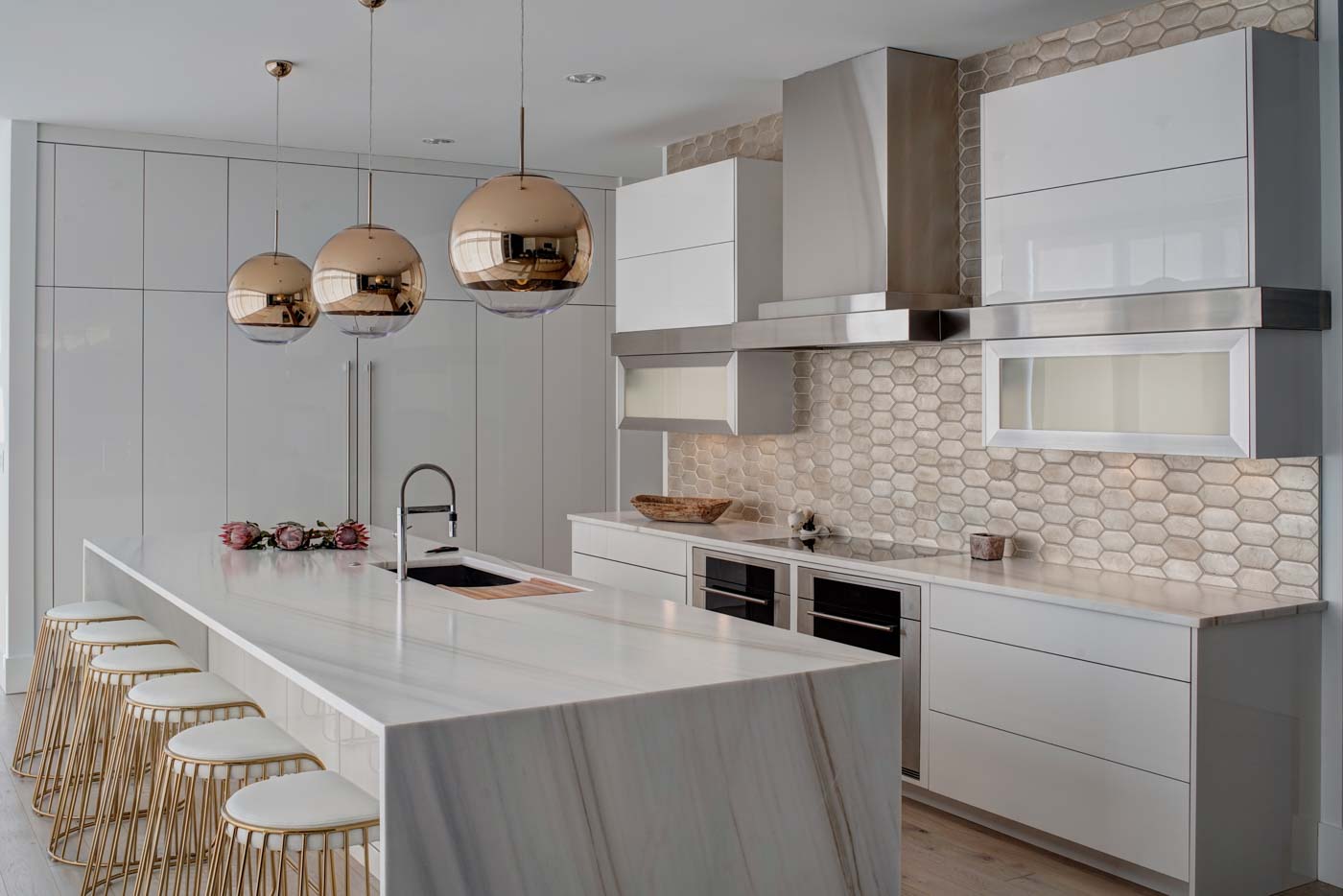
For more information, visit drurydesigns.com.