First Class | Jun. 2026
THE FIFE ARMS IN THE SCOTTISH HIGHLANDS
By Megan Weisberg
PHOTOGRAPHY PROVIDED BY THE FIFE ARMS
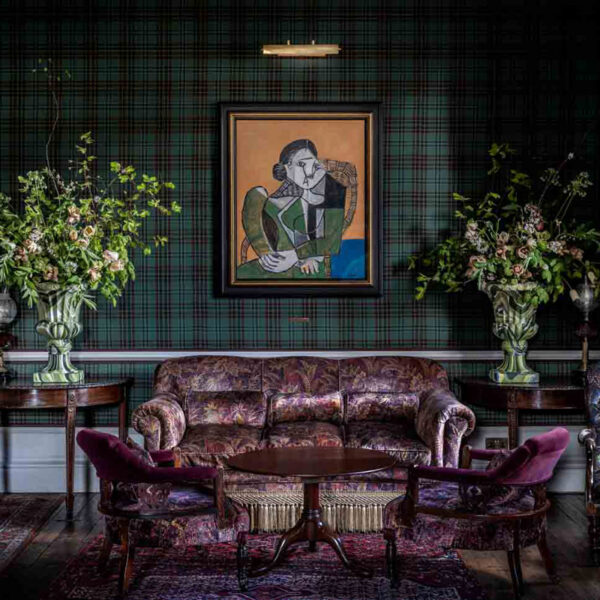
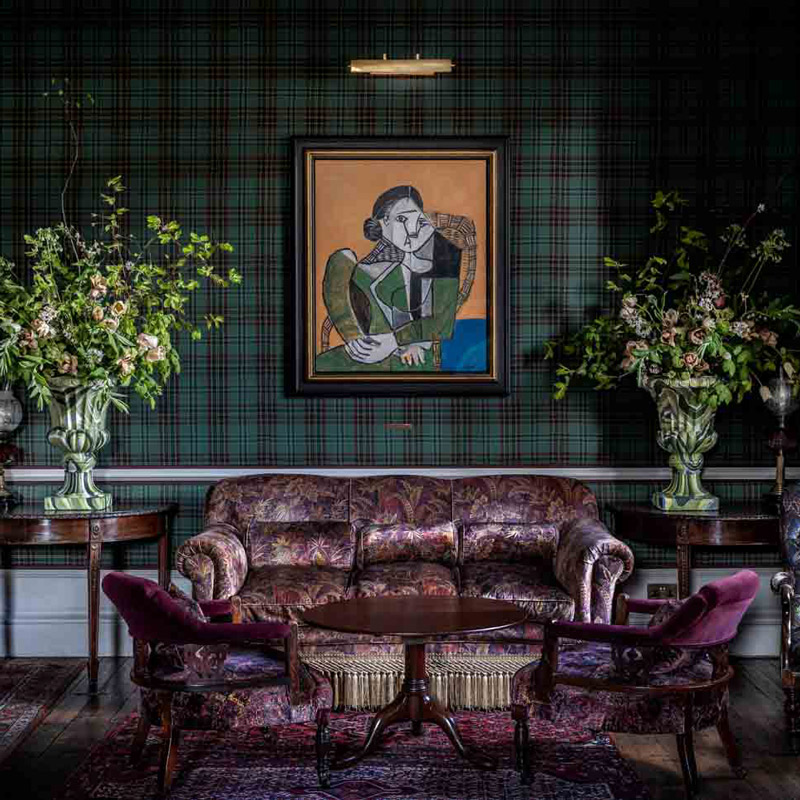
A Picasso holding court in the lobby.

JWC Media
a luxury lifestyle website that delivers a colorful and passionate telling of neighboring events, fashion, beauty, finance, and the pursuit of leisure.
By Megan Weisberg
PHOTOGRAPHY PROVIDED BY THE FIFE ARMS
A Picasso holding court in the lobby.
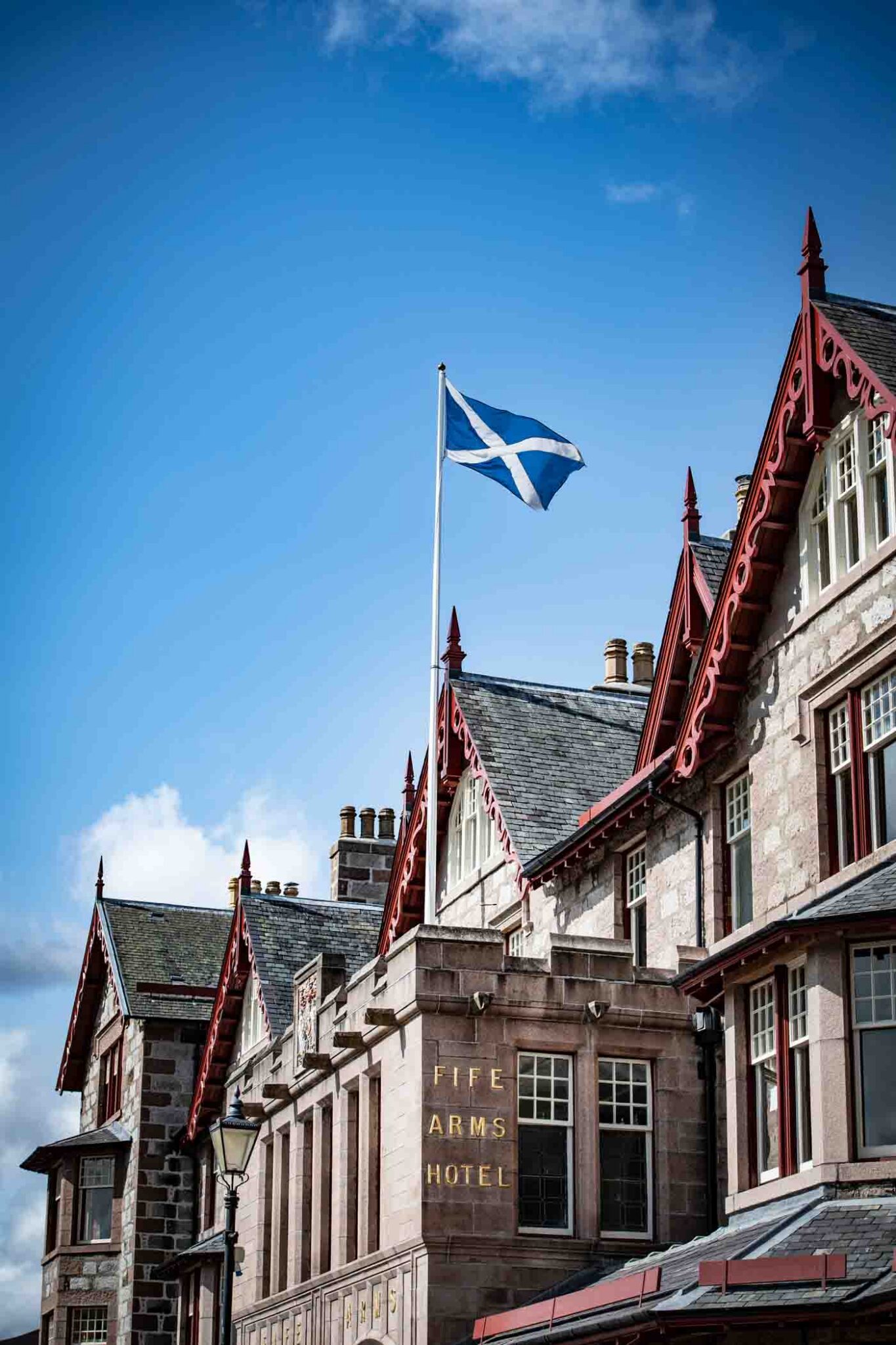
It is not often that you find a place where history feels so close to the surface—rarer still when it preserves its past while feeling entirely of the present. And yet, Artfarm has done exactly that at The Fife Arms in the Scottish Highlands. Perched along the River Clunie in Cairngorms National Park, in the storybook village of Braemar, the five-star, two MICHELIN Key hotel was once a humble coaching inn for travelers crossing the rugged Highlands. In 1852, Prince Albert purchased nearby Balmoral for Queen Victoria, and, as the area’s prominence grew, so did the inn—evolving into accommodations suited to the royal court’s upper echelon.
When Swiss art world powerhouses Iwan and Manuela Wirth acquired the property in 2015, they undertook a four-year transformation that is nothing short of remarkable. Today, The Fife Arms balances Highland ruggedness with an enveloping sense of warmth and charm. Its 47 rooms are thoughtfully distinct with family suites accommodating up to eight, making it as practical as it is transportive. A recent addition, a secret, Coco Chanel-inspired suite accessed by a hidden key tucked inside a lobby clock, has already become the hotel’s most coveted booking. It’s a fitting tribute. Chanel’s fascination with Scottish tweeds began during her time in the Highlands, a legacy woven into the room’s design.
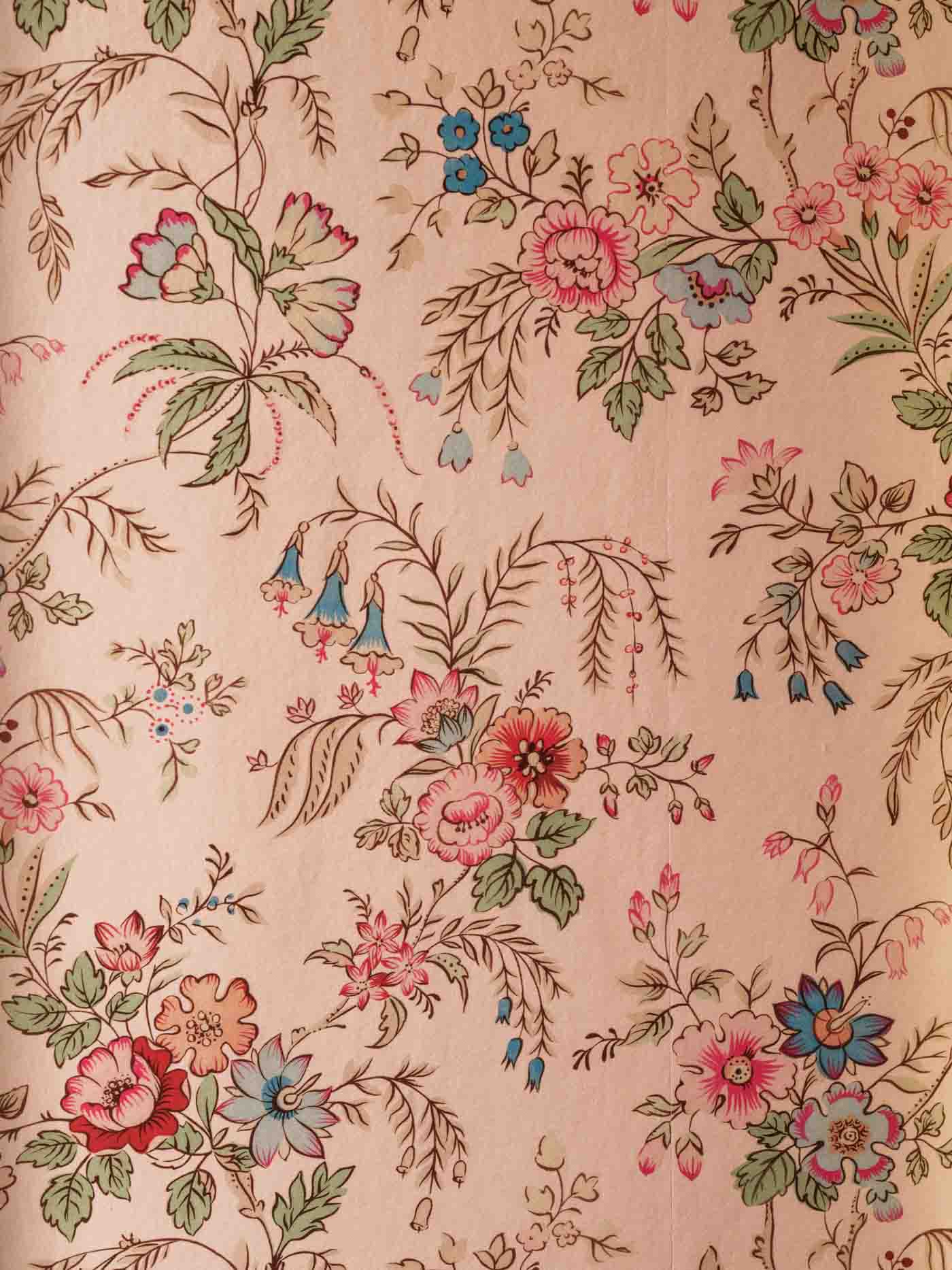
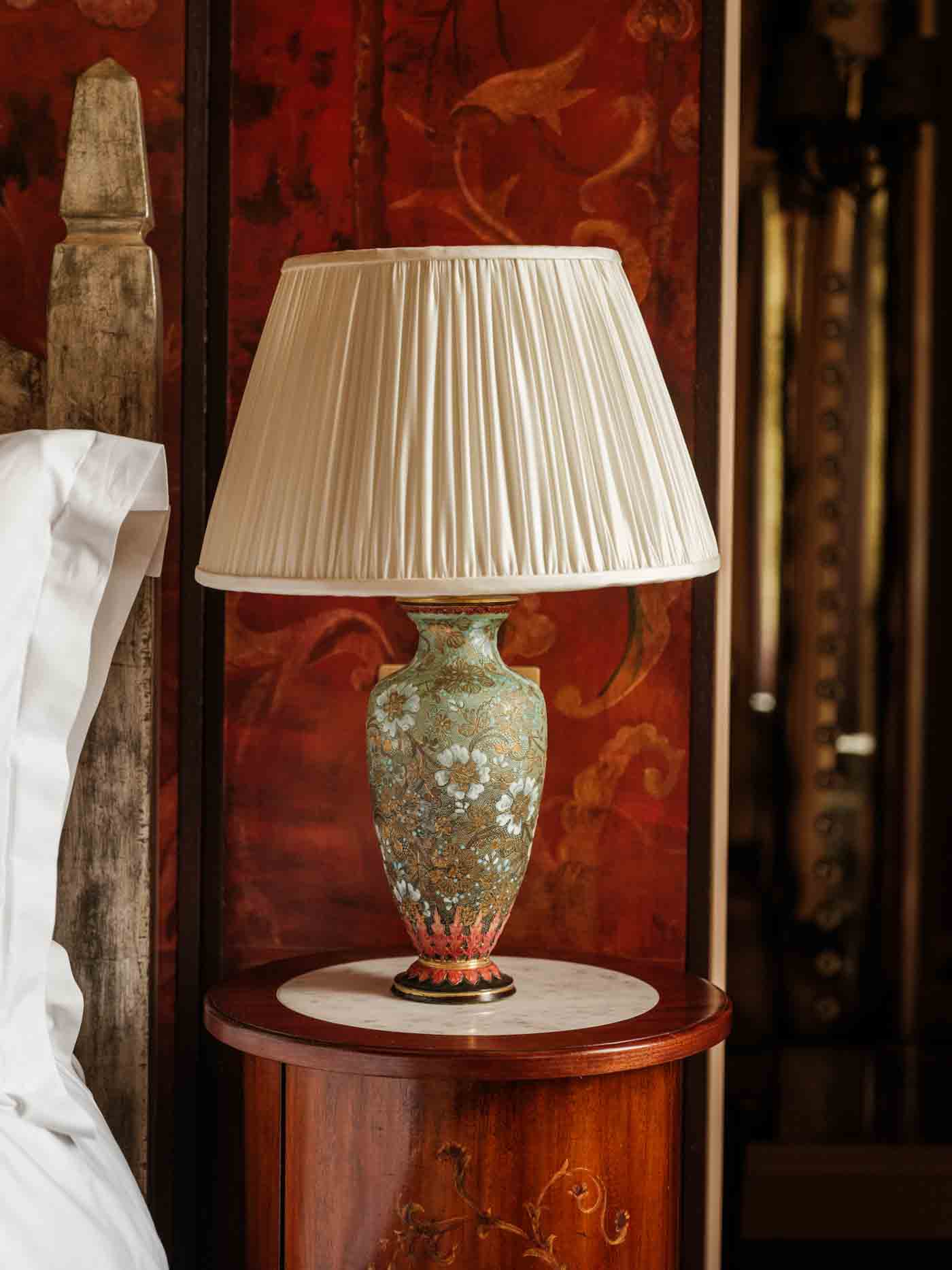
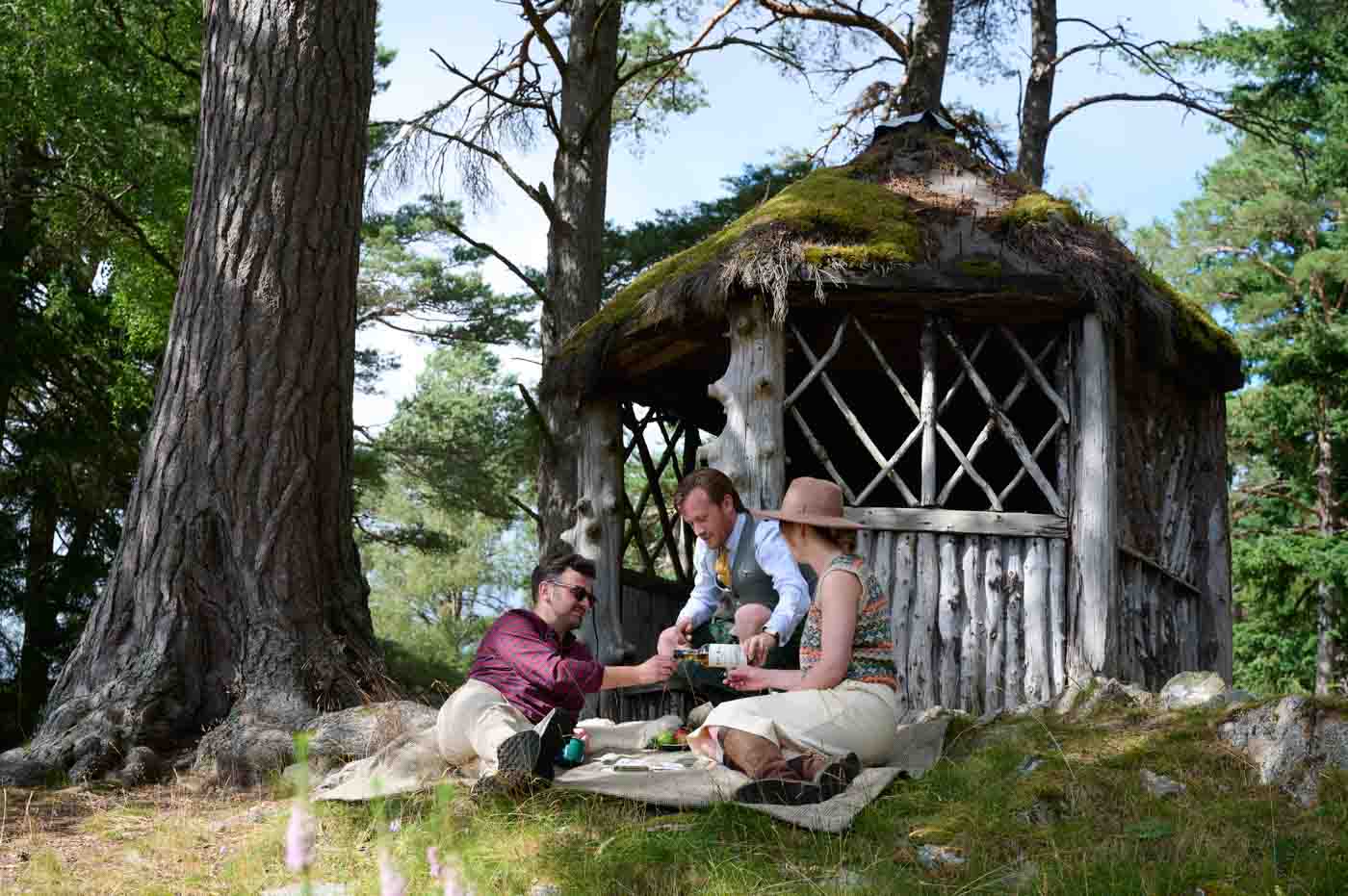
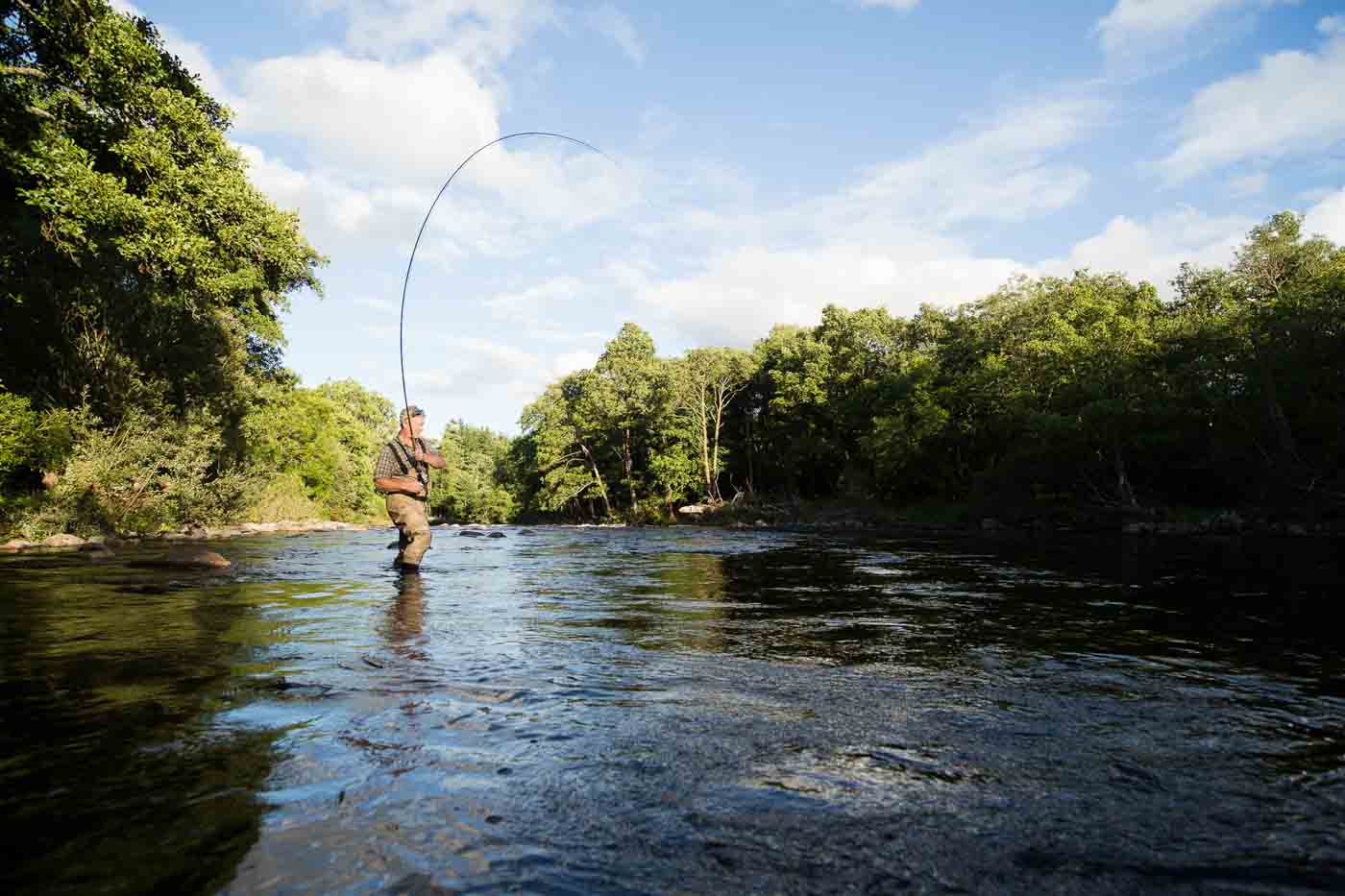
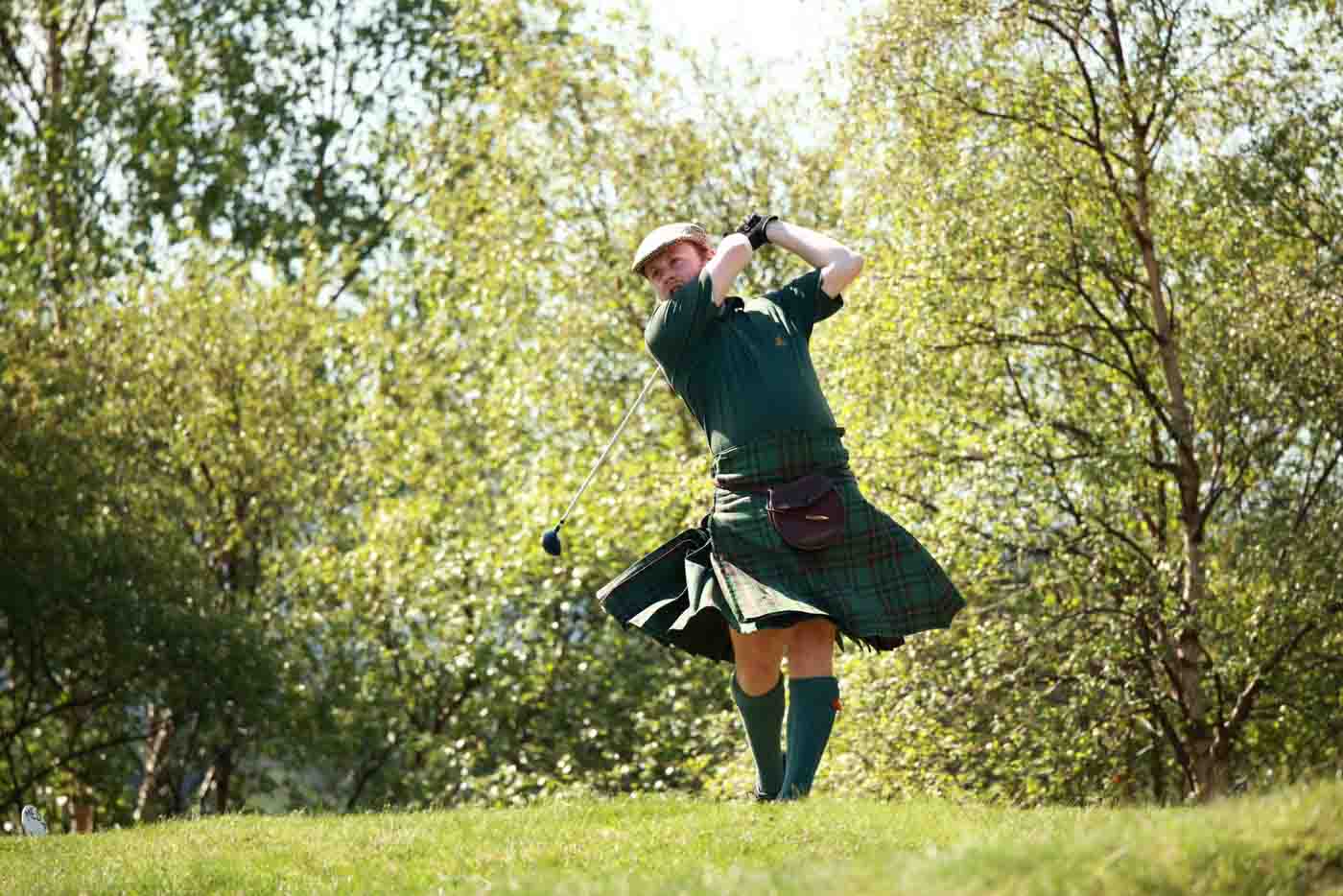
Art is everywhere, and not quietly placed, but fully lived with. Picassos and Lucian Freuds hang alongside Victorian works including an antler sketch by Queen Victoria herself; appearing unexpectedly around corners, turning a walk to your room into a discovery. The Fire Room, with its soot-darkened walls and dramatic Subodh Gupta chandelier, feels less like a dining room and more like stepping inside an installation. And yet, for all its polish, The Fife Arms remains grounded in its setting. Two resident red Labradors greet guests at the door, immediately setting the tone: this is a country property, meant for exploring. Guests can fish, hike, shoot, ski, or simply explore the Highlands’ vast, captivating landscape.
I arrived on a crisp spring afternoon and settled quickly into my charming room—tartan textiles, layered textures, and the steady rush of the river just outside my window—passing museum-worthy works tucked casually into stairwells and corridors along the way. Within the hour, I was walking through Braemar with a ghillie, learning about the village’s deep-rooted traditions and ancient mountains. We passed clusters of daffodils swaying in the breeze, a chocolate shop, Braemar Brewery, and the grounds of the Braemar Highland Games—an enduring Scottish spectacle of strength and endurance dating back to the 11th century—as the dust of travel quickly fell away.
That evening began in Elsa’s, an outrageously beautiful Art Deco jewel box of a bar, sparkly and feminine. The room feels cinematic, as if it exists slightly outside the rest of the hotel. Named after Elsa Schiaparelli, credited with creating the fashion color “shocking pink,” her namesake cocktail—a vibrant mix of vodka, Chambord, rosé, beetroot, and dragon fruit—is a fitting homage.
Dinner in The Clunie dining room, where a sweeping 360-degree mural by Guillermo Kuitca wraps the entire space, was equally memorable. The venison, sourced just minutes away on the Invercauld Estate, was impossible to pass up—deeply flavorful and perfectly prepared. The room itself, enveloped in Kuitca’s contemporary art, with large antlers framing the open kitchen, feels as though two eras are colliding in a beautiful manner.
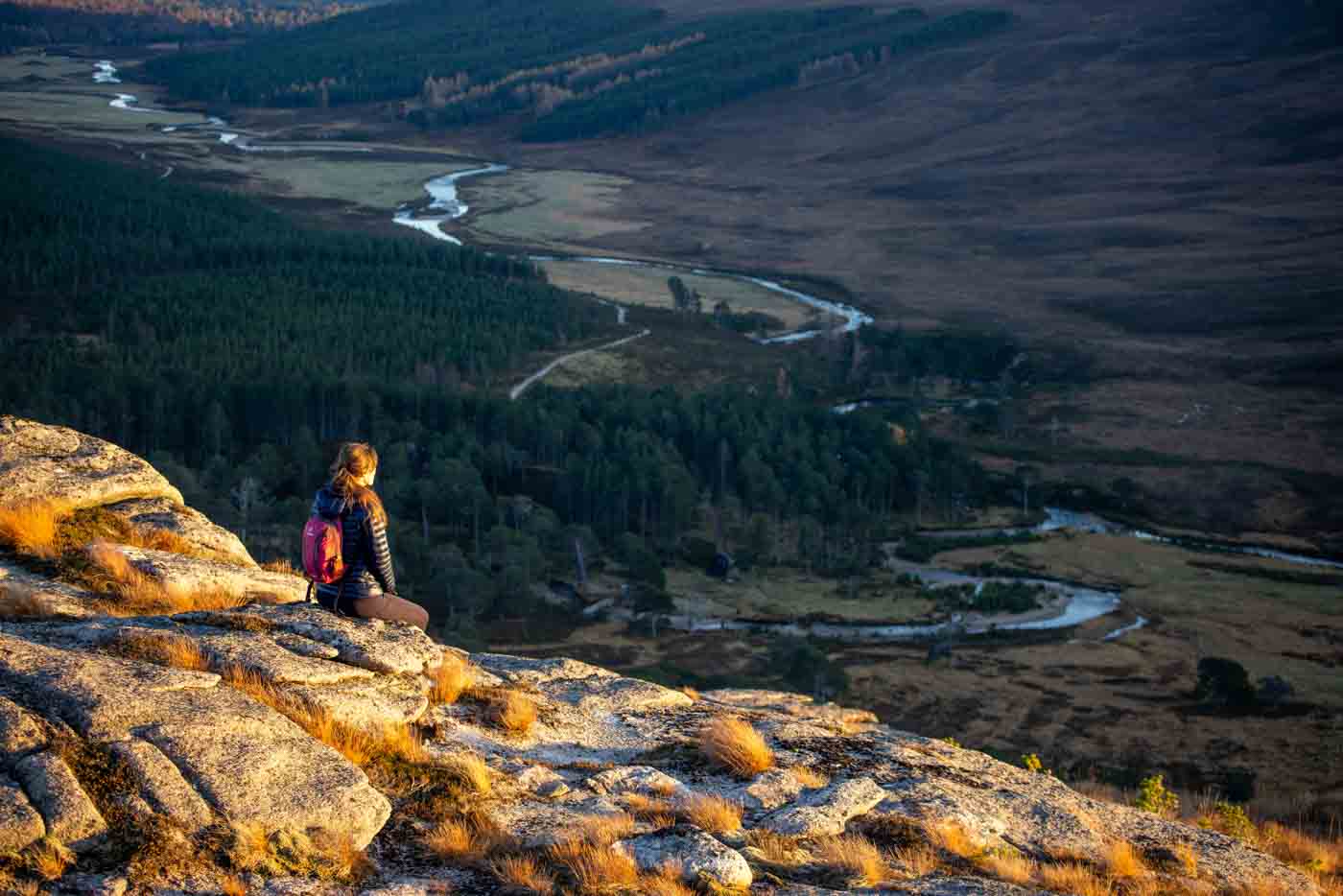
Mornings begin simply and perfectly: hot coffee and butteries—a Scottish pastry described as a squashed croissant, best served hot with butter and honey. From there, the Highlands call. A 4×4 excursion across a private estate revealed sweeping, heather-covered hills that transform into vivid purple in summer. For those inclined, traditional pursuits like grouse hunting or fly fishing can be arranged; for others, the scenery alone is enough.
An afternoon tea is, in fact, the perfect lunch, and mine was served in a glorious bay window in The Clunie. Tea sandwiches and sweet treats paired with a pot of English Breakfast tea and prosecco—a quiet pause that feels elevated in the richly layered setting.
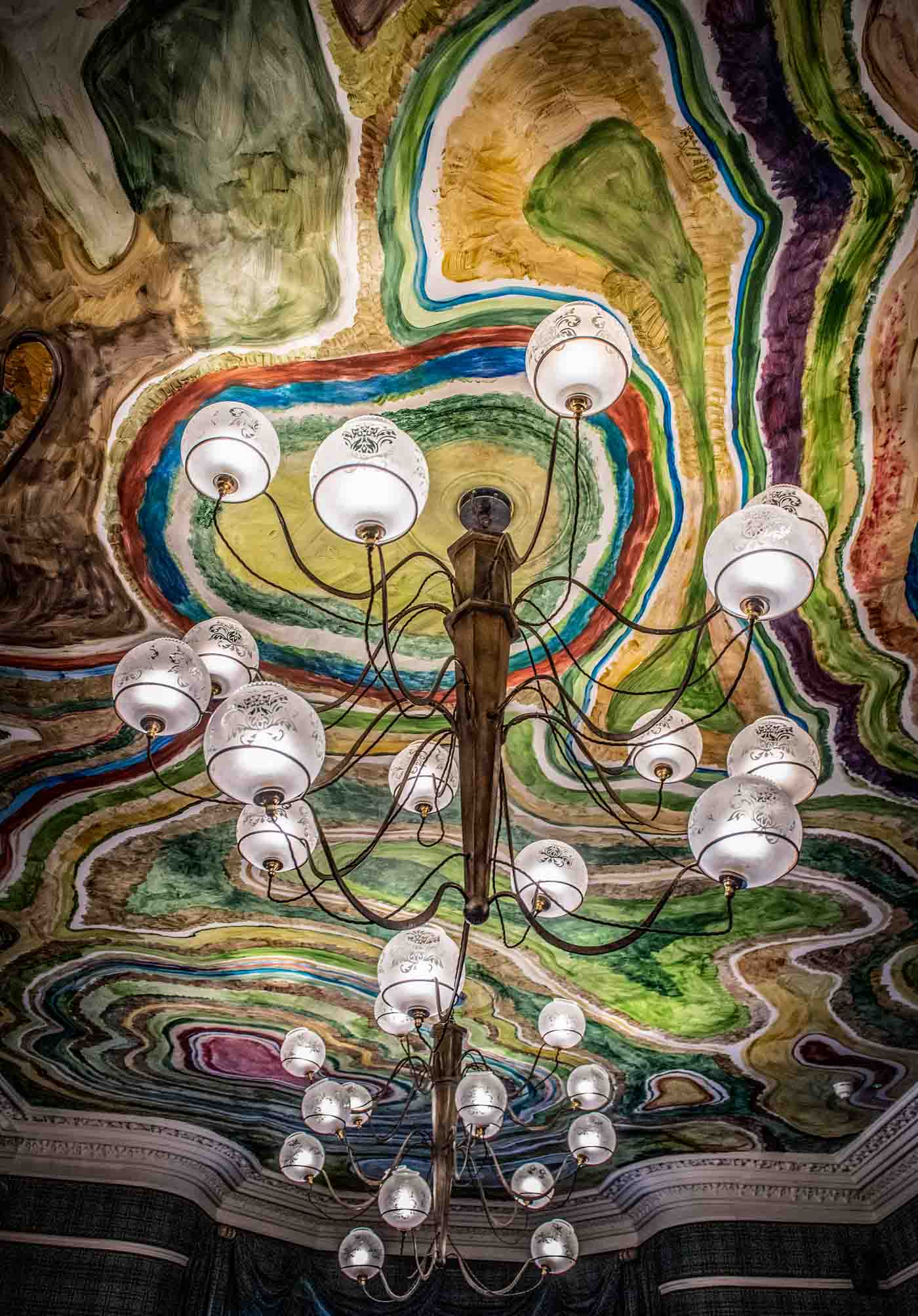
A short drive leads to Artfarm’s The Fish Shop, whose chic and modern interiors set the stage for fresh, local food. My second night’s dinner started there with a generous bowl of clams in a bright herb sauce. Their take on the classic fish and chips was a crumbed halibut collar paired with greens freshly dressed with a lemon, olive oil, and salt. Whisked back to Braemar, my day ended with a cup of chamomile tea in my cozy room.
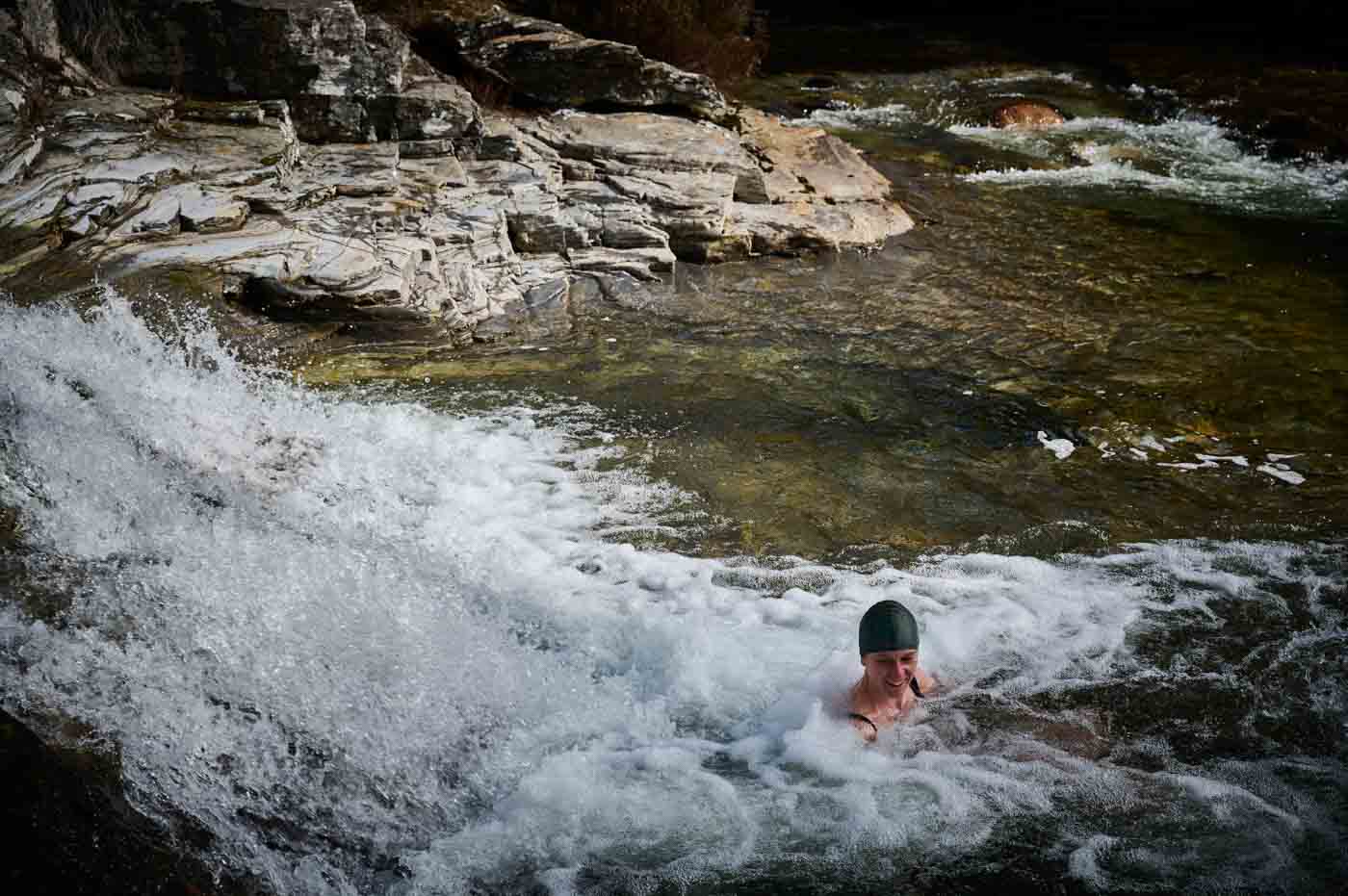
My final full day began on the Mar Estate with wild swimming where the rivers Ey and Connie converge at an icy 39 degrees. A yurt, adorned with wooden benches and sheepskin blankets, offers thick cotton ponchos to don as you walk between the frigid river and steaming sauna perched on the riverbank. Ever the pro, the guide Annie encourages guests to experience the cold waters as they wish: just a toe in, today—no shame in that. For those who want to plunge further, she’ll happily talk you through it.
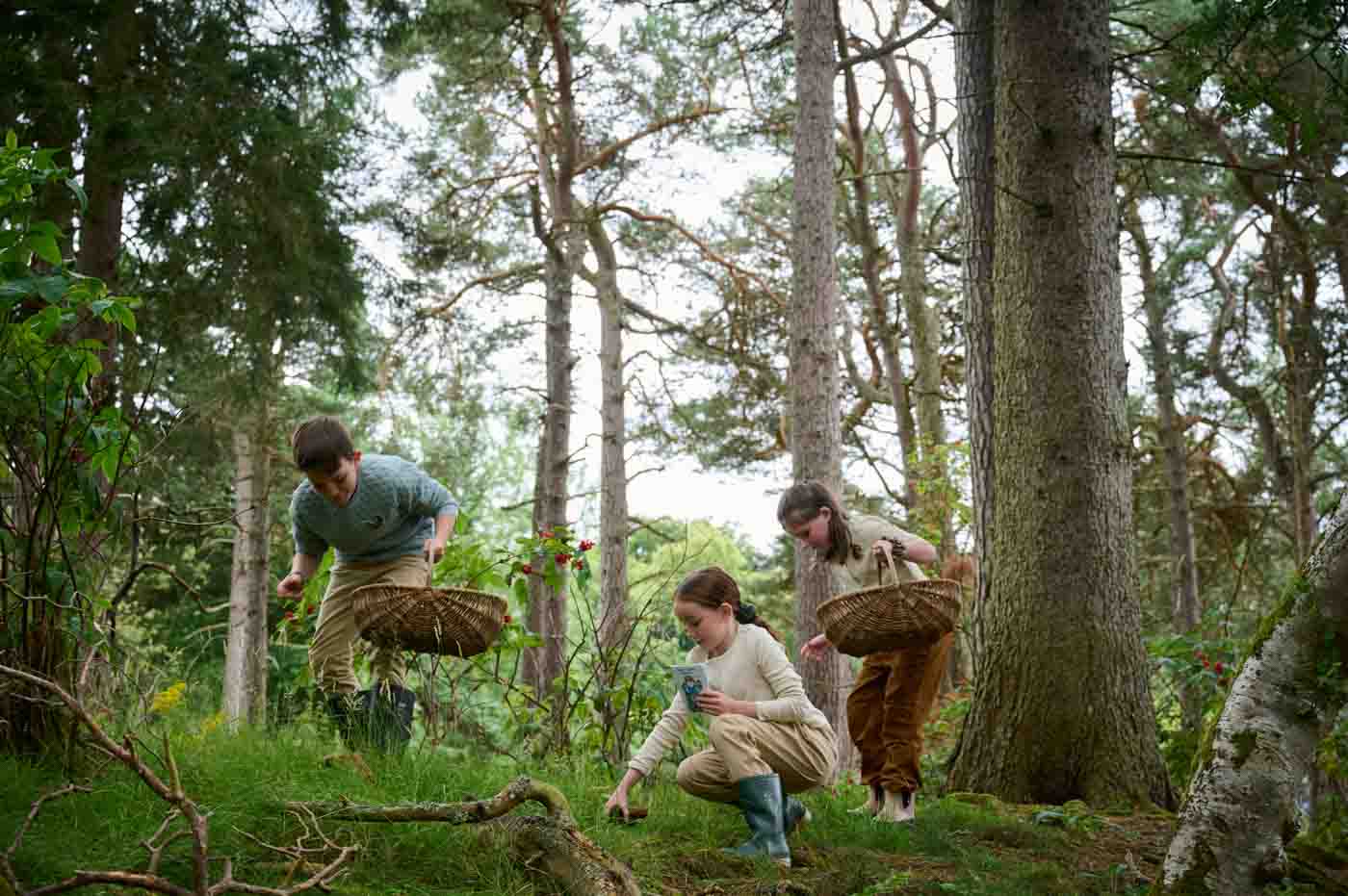
Upon returning to the hotel, the shift from raw Highland landscape to richly layered interiors is immediate—art, texture, and warmth envelop you the moment you step back inside. Next, the resident forager led me on a journey through Braemar, sharing her knowledge of plants. Back at The Fife Arms, a cocktail crafting station awaited, where I blended rose petal tonic, Hawthorne bitters, and a dash of pine pollen together during a lesson on herbal remedies.
My journey of wellness continued at the Albamhor spa, where a lymphatic drainage massage provided deep relaxation. The space itself—light wood, soft tones, and a subtle, calming scent—has a quiet cohesion that mirrors the surrounding landscape and invites you to linger. I followed with time in the sauna and a quiet walk through the gardens designed by Jinny Blom, where the fragrance alone draws you in. Blom also created gardens for HM King Charles III, now the inheritor of his royal relative, Queen Victoria’s Balmoral estate.
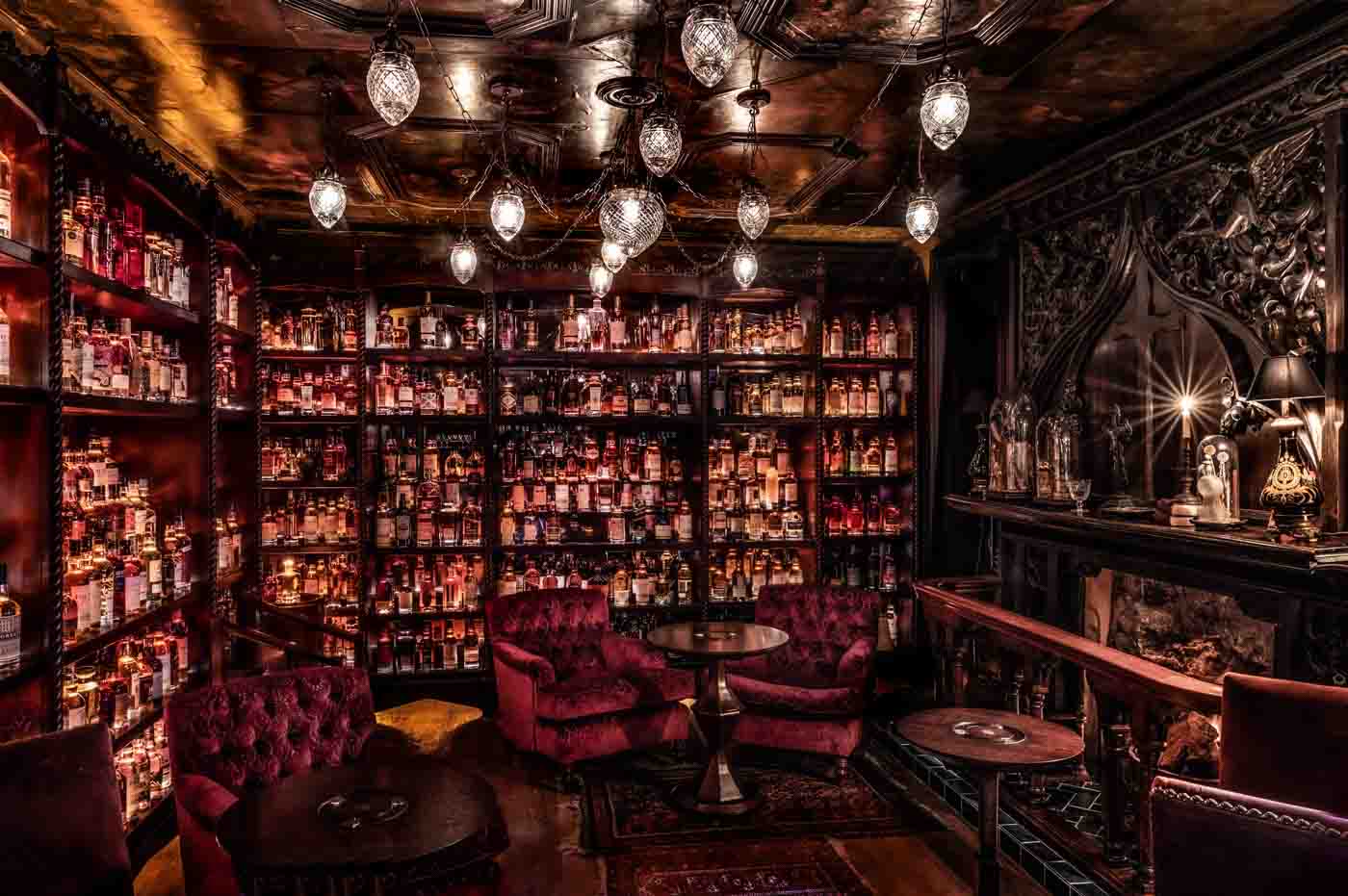
A short drive had me traversing the grounds of Balmoral, long a storied castle that met every expectation. Its manicured lawns, stone architecture, and distant snow-capped peaks offer a striking glimpse into royal life in the Highlands. That evening, a private whisky tasting at Bertie’s Whisky Bar (spelled without the “e” in Scotland) provided a fitting close. With over 460 bottles, arranged by flavor profile, the bar feels like a library of “liquid art,” tied seamlessly to the hotel’s broader identity. Rare bottles—including a 50-year Balvenie and the world’s oldest whisky from Blair Castle—add to the experience, though it’s the storytelling that lingers most.
Dinner at The Flying Stag, the hotel’s lively pub, was the perfect finale. A flaky chicken and leek pie closed the week. The Fife Arms is not a place you visit once. It reveals itself slowly, in layers—through its art, its history, its setting, and its quietly exceptional hospitality. It is as much a destination as it is an experience, one that invites return to discover more, again and again.
Book your Scottish adventure at thefifearms.com.