Art & Artist | Jun. 2026
THE ARTIST’S HAND
By Thomas Connors
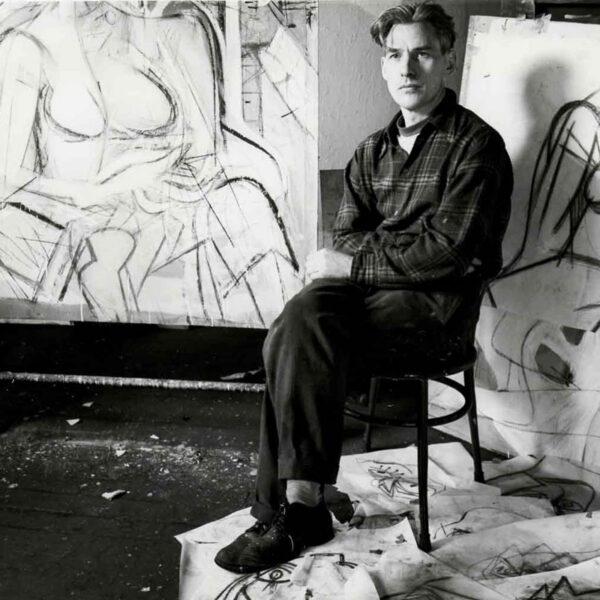
Willem de Kooning sitting with charcoal drawings scattered on the floor in his studio at 85 Fourth Avenue, New York, 1946. Photograph by Harry Bowden.

JWC Media
a luxury lifestyle website that delivers a colorful and passionate telling of neighboring events, fashion, beauty, finance, and the pursuit of leisure.
By Thomas Connors
Willem de Kooning sitting with charcoal drawings scattered on the floor in his studio at 85 Fourth Avenue, New York, 1946. Photograph by Harry Bowden.
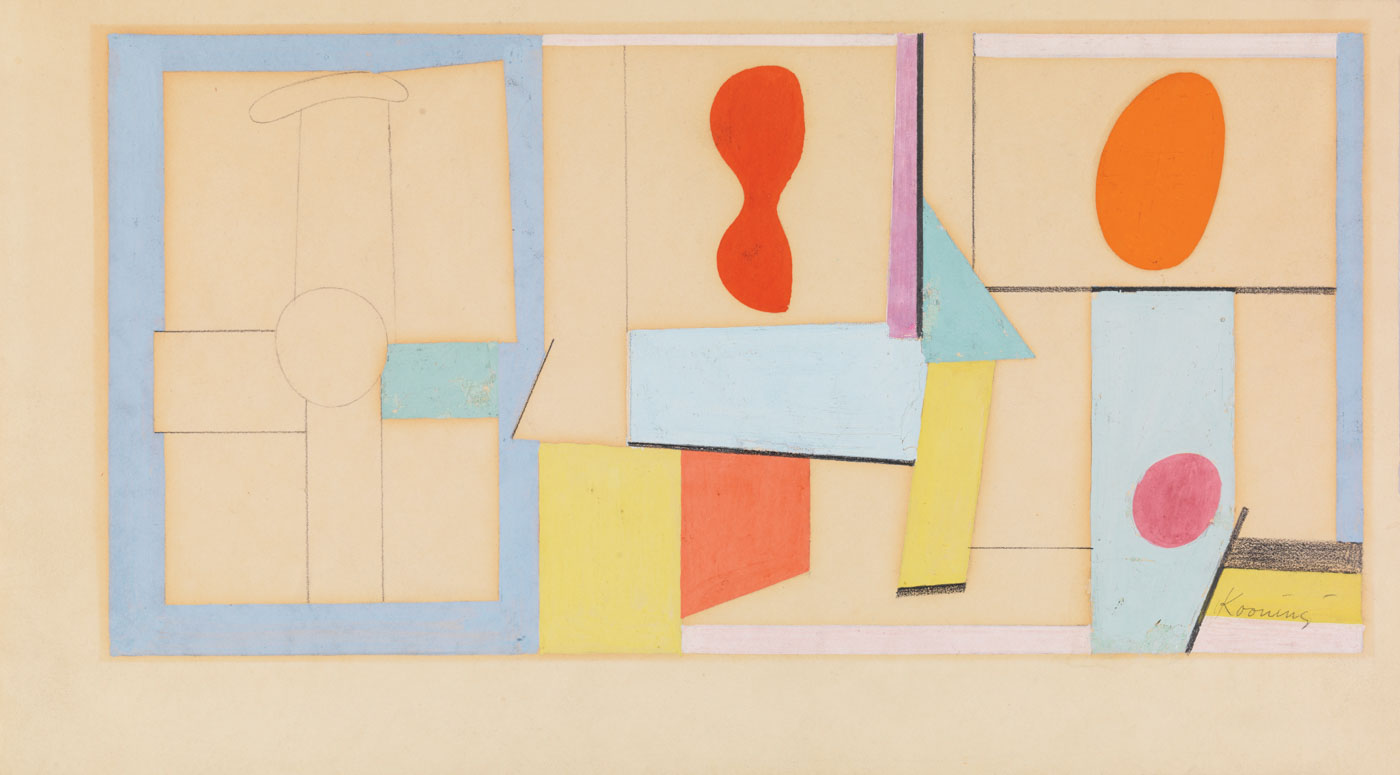
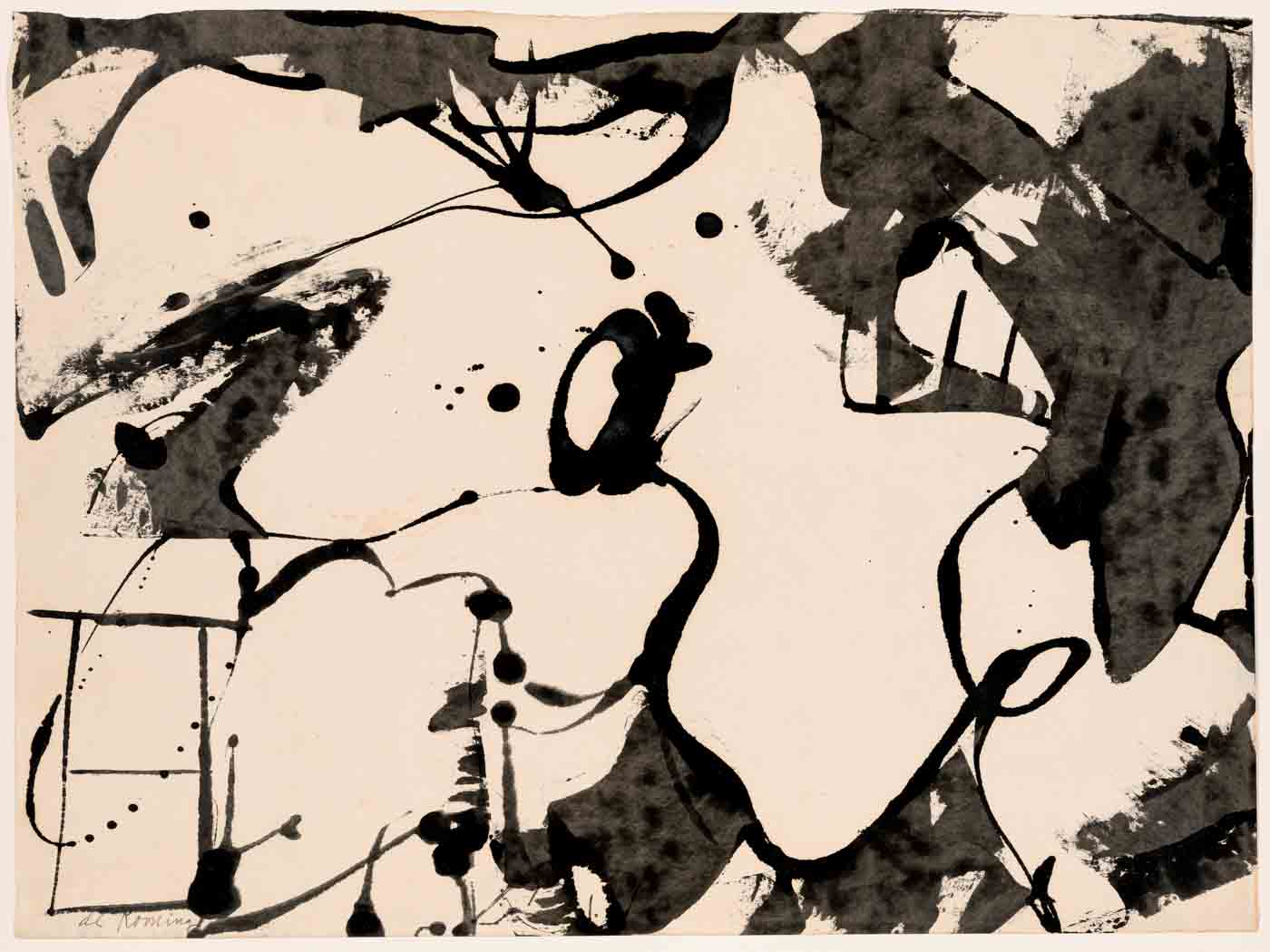
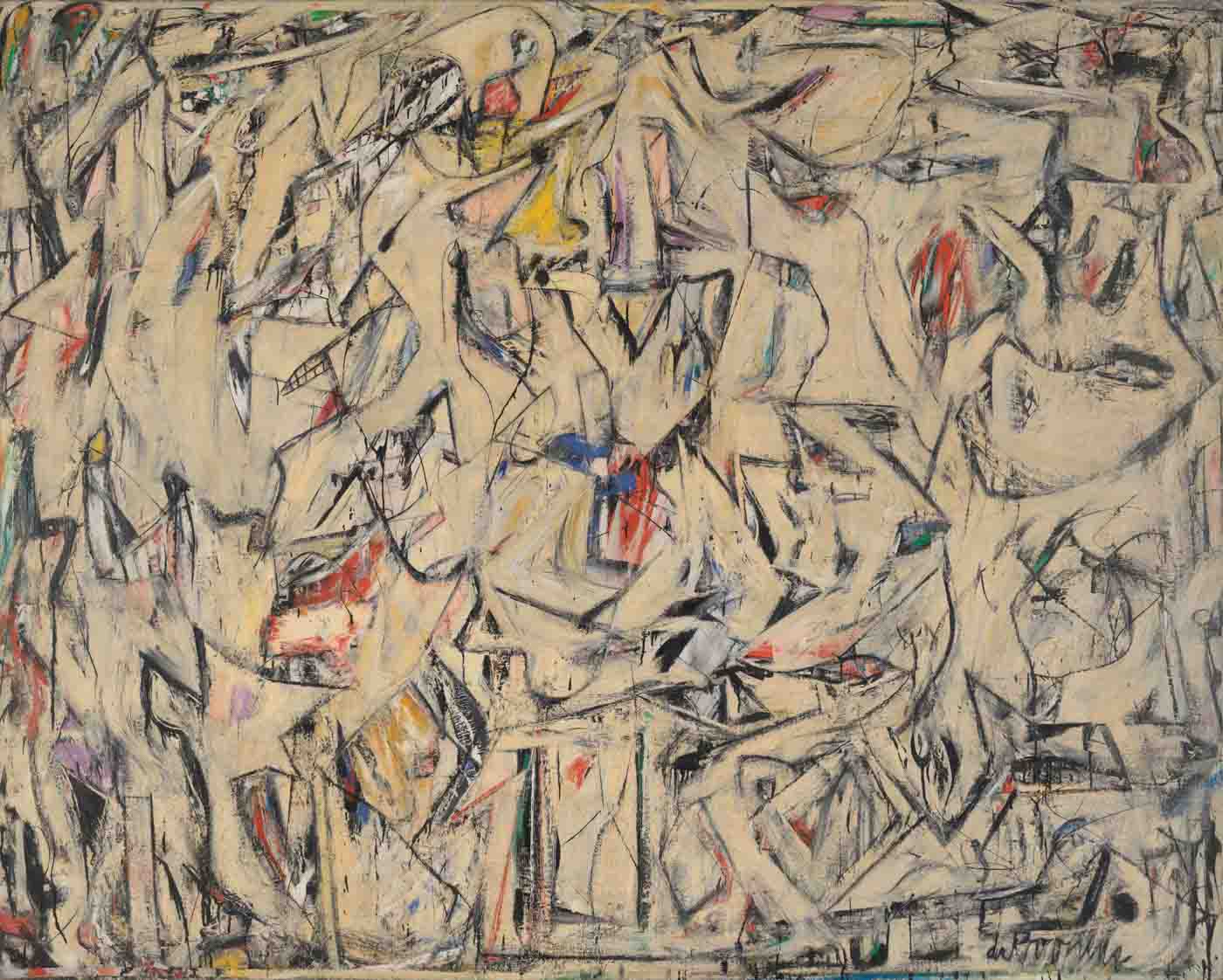
Once upon a time, learning to draw was de rigueur for anyone aspiring to be an artist, just as knowing Latin and Greek was key to a liberal arts education. But as reading Cicero and Hesiod in the original has fallen by the wayside, so too has mastery of graphite and charcoal. With the emergence of new materials and new forms of expression in the 20th century—from installation and performance to video and digital—individual creativity moved beyond the old ways. When Willem de Kooning’s alarmingly ferocious Excavation (1950) entered the Art Institute of Chicago’s collection in 1952, many museumgoers probably doubted the artist had ever drawn a line in his life. Yet, he had. And with Willem de Kooning Drawing—on view June 14 through September 20—the Art Institute offers the deepest dive yet into this aspect of the artist’s expression.
“Drawing was a constant for de Kooning, whether in his studio, in idle moments at home, or while traveling,” relates Mel Becker Solomon, associate research curator for the Department of Prints and Drawings and co-curator of the exhibition. “He drew sitting in a chair in front of the television, in front of a painting in his studio, and even while waiting to pick up his daughter from preschool. It was a way of thinking for him—he was always thinking. He worked through ideas and emotions, examined lines and forms, and tested the potential of his materials through experimentation.”
Born in Rotterdam in 1904, de Kooning displayed an interest in art early on. At 12, he was apprenticed to a design firm and enrolled in night classes at the Rotterdam Academy of Fine Arts. He came to the U.S. in 1926 as a stowaway, working first as a house painter and window display designer before pursuing his own work. His explorations in abstraction began in the late 1930s and by the following decade, he stood alongside Jackson Pollock, Robert Motherwell, and Ad Reinhardt in forging a new definition of painting—a dynamic, gestural approach that broke decisively with the past. While de Kooning did not jettison the figure entirely, such images as Woman 1 (1950-1952) were more allusive than plainly representational and infused with a transgressive vehemence.

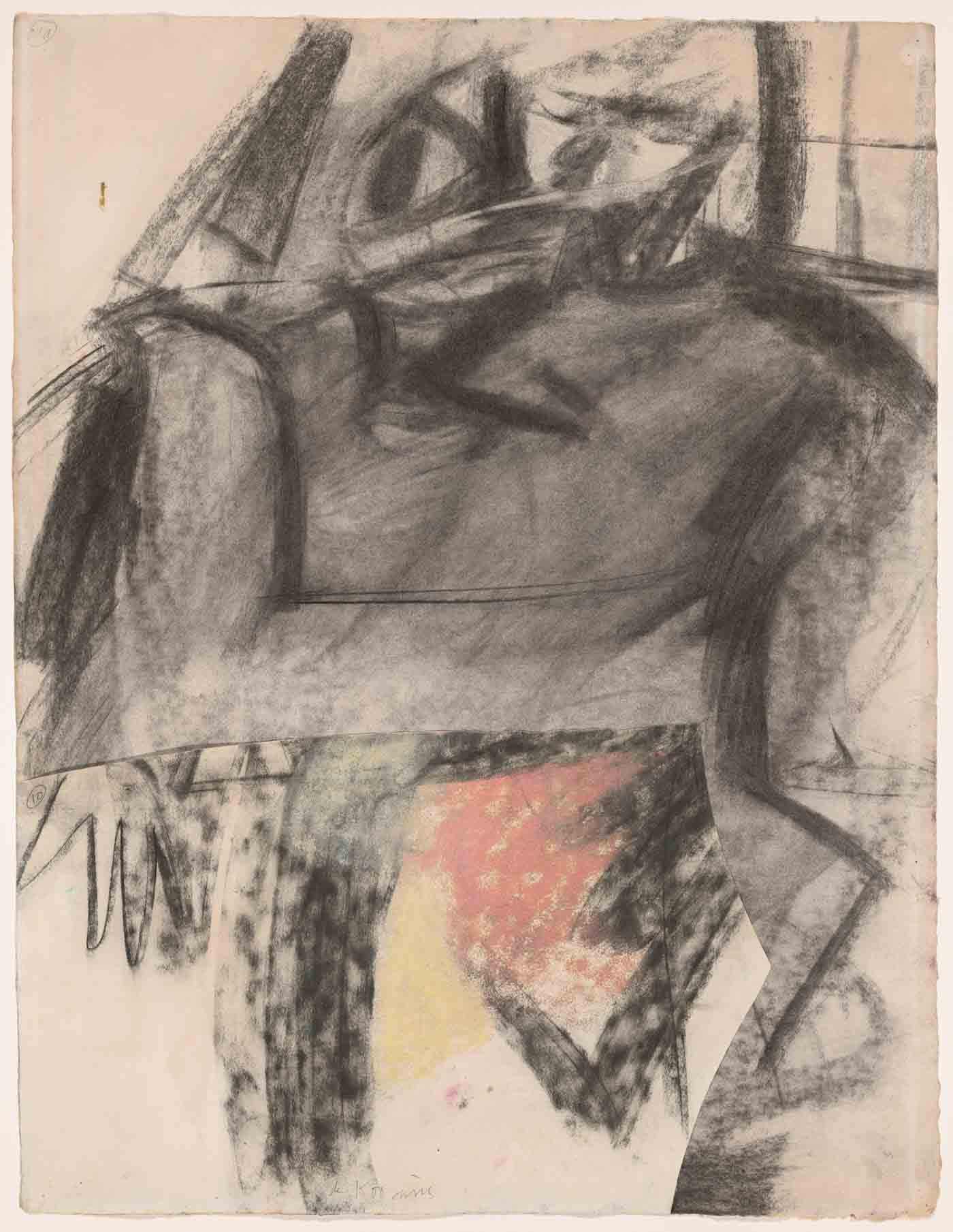
de Kooning’s drawings were not necessarily preparatory in the usual sense; instead, he would often tear them up and reassemble the pieces to inspire new shapes that might find their way to a canvas. He didn’t always consider his drawings finished works, either. “Rather,” notes Solomon, “they offer a window into his artistic practice, what he was experimenting with, thinking about, or feeling. There are exceptions, however, including the Women series drawings de Kooning completed leading up to the 1953 exhibition Willem de Kooning: Paintings on the Theme of the Woman. Several of these drawings were made on the porch of art dealers Leo Castelli and Ileana Sonnabend in the summer of 1952. Away from his studio and confined to a smaller space, he appears to have spent more time on these works, which depict one, two, or three figures in various combinations of pastel, crayon, charcoal, and pencil.”
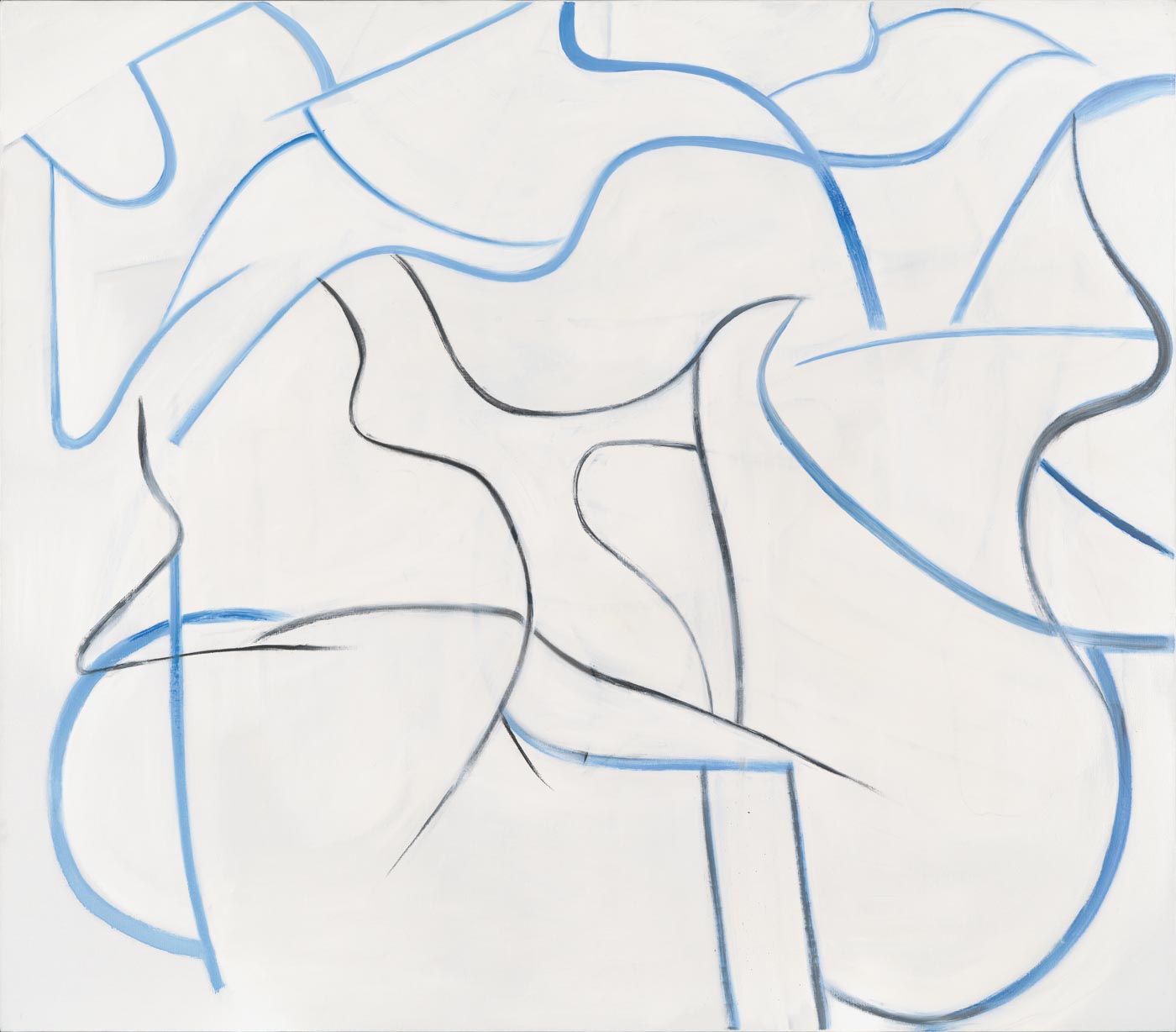
Willem de Kooning Drawing comprises more than 200 artworks from public and private collections around the world, ranging from his earliest known drawing, Dish with Jugs, made during his student days, to a minimal, late career piece in black and blue. “Museumgoers may be surprised to see how de Kooning was inspired by cartoons and comic books,” suggests Becker Solomon. “He often rendered faces using two deftly drawn ovals, each anchored by a dark center to suggest eyes hovering above a broad grin, like the Cheshire Cat. He developed this shorthand for the face and returned to it again and again as a quick way to signal the presence of a figure. One such de Kooning face appears in Woman with Brown Hair.”
Twenty-nine years after the artist’s death, his work continues to amaze and confound. Jarring, brutish, dizzying, it is not for everyone. But it helps, when pondering it, to think of what de Kooning once said: “I never was interested in how to make a good painting … I didn’t work on it with the idea of perfection, but to see how far one could go …”
For more information about Willem de Kooning Drawing, visit artic.edu.