Features | Apr. 2026
THE ART OF CONNECTION
By Roni Moore Neumann
PORTRAIT PHOTOGRAPHY BY MARIA PONCE
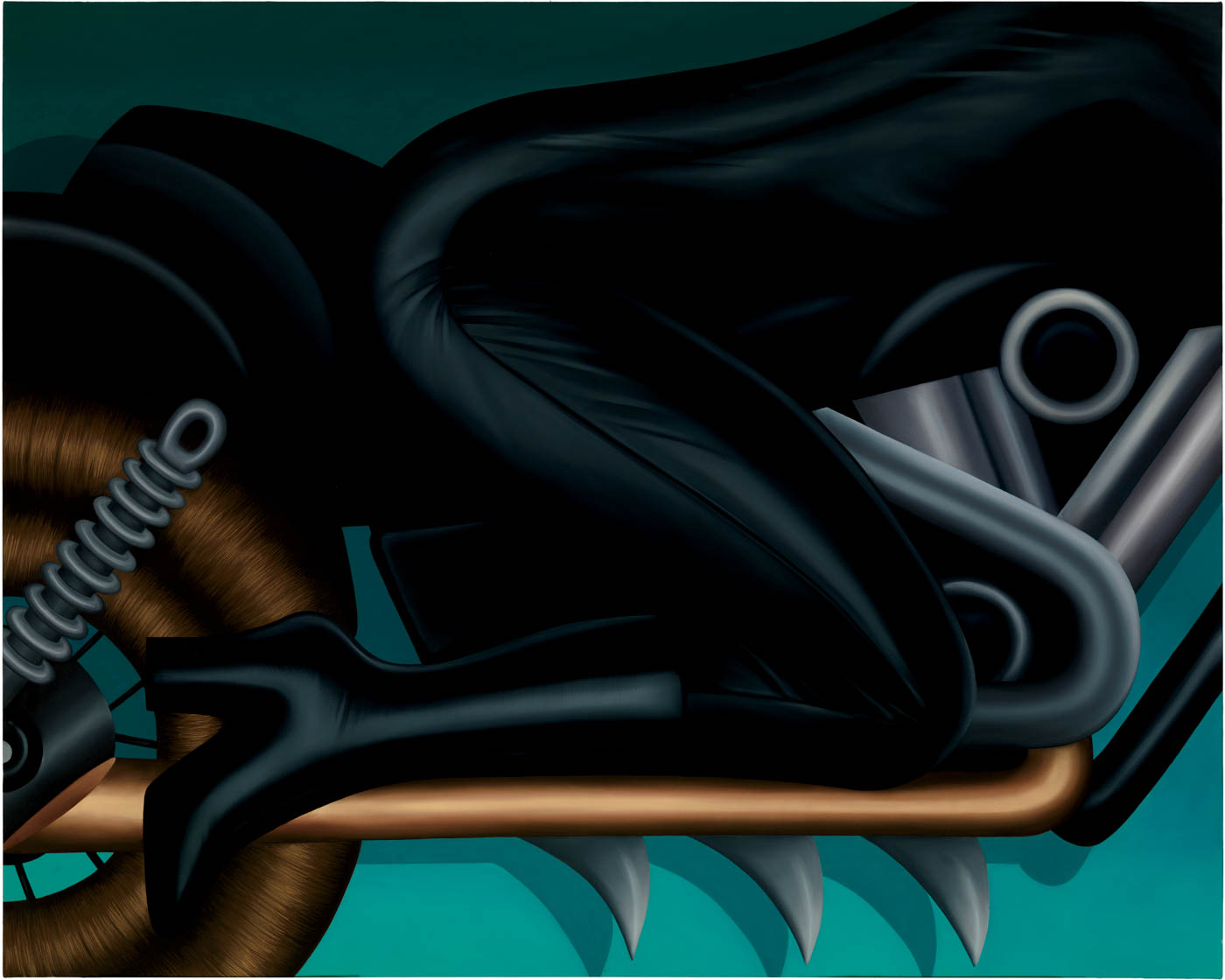
ARTWORK PHOTOGRAPHY COURTESY OF THE MCA
Ionit Behar the Marilyn and Larry Fields Curator at the Museum of Contemporary Art Chicago

JWC Media
a luxury lifestyle website that delivers a colorful and passionate telling of neighboring events, fashion, beauty, finance, and the pursuit of leisure.
By Roni Moore Neumann
PORTRAIT PHOTOGRAPHY BY MARIA PONCE
ARTWORK PHOTOGRAPHY COURTESY OF THE MCA
Ionit Behar the Marilyn and Larry Fields Curator at the Museum of Contemporary Art Chicago
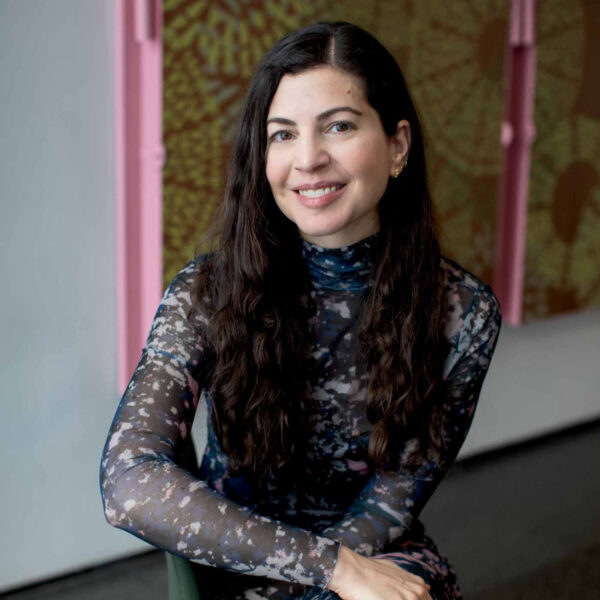
When Ionit Behar was growing up, museums were not occasional destinations—they were part of the rhythm of life. Raised in Uruguay and later in Israel, Behar spent her childhood traveling with her grandparents, whose curiosity and cultural hunger left a lasting imprint. Family trips to France and Italy were anchored by long days wandering museums, absorbing not just art objects but the stories, histories, and human experiences behind them. Those early encounters planted a seed that would quietly shape her future.
“As a child, I didn’t realize that working in a museum was a real career,” Behar recalls. “But once I discovered that you could actually do this—that there were people whose job it was to think deeply about art, artists, and audiences—I knew exactly what I wanted to do.”
That sense of inevitability now comes full circle with Behar’s appointment as the Marilyn and Larry Fields Curator at the Museum of Contemporary Art Chicago (MCA), one of the country’s most influential contemporary art institutions. The role places her at the center of the museum’s curatorial vision at a moment when Chicago’s cultural voice continues to resonate globally.
Behar’s background—shaped by geography, migration, and multilingual cultural contexts—has profoundly informed her curatorial practice. Her work consistently resists fixed categories, instead emphasizing contemporary art as a living, evolving dialogue shaped by politics, identity, and place.
At the MCA, Behar sees a powerful opportunity to amplify those voices while situating Chicago within a broader international conversation. “Chicago artists are essential to the DNA of the MCA,” she says. “The museum couldn’t exist without them—and they couldn’t exist without the MCA. That relationship is foundational.”
That belief has been shaped by her own deep ties to the city. Behar has lived in Chicago for the past 14 years, embedding herself in its creative ecosystem. Before joining the MCA, she served as a curator for major art installations in public spaces, including O’Hare International Airport, where art meets one of the most diverse and transient audiences in the world.
Those projects reinforced her belief that contemporary art belongs not just in galleries, but in the everyday lives of people moving through the city. “Public art forces you to think differently,” she explains. “You’re meeting people where they are—sometimes literally between flights—and that demands clarity, generosity, and a deep respect for audience experience.”
Those sensibilities will shape her work at the MCA, where Behar is focused on building meaningful linkages: between Chicago artists and global conversations, between local communities and international audiences, and between the museum and the public it serves. Her curatorial vision emphasizes collaboration over isolation, and connection over hierarchy. Central to that vision is a commitment to celebrating Latinx artists—past, present, and emerging—within the broader narrative of contemporary art. For Behar, this is not about representation as a checkbox, but about reshaping the canon by treating Latinx artists as artists working across generations, borders, and aesthetic languages, rather than as a monolith. “Latinx artists have always been part of contemporary art,” she notes. “The work now is to ensure their contributions are seen, contextualized, and taken seriously within major institutions.”
Looking ahead, Behar is equally energized by the ecosystem surrounding the MCA. Chicago’s strength, she believes, lies in the interplay between artists, museums, patrons, educators, and the public. “What makes this city extraordinary is how interconnected it is,” she says. “Artists here are deeply engaged, and audiences are curious, thoughtful, and demanding in the best possible way.”
As the MCA continues to inspire audiences throughout Chicago and beyond, Behar sees her role as both steward and connector—honoring the institution’s legacy while pushing its vision forward. Her own journey, shaped by travel, family influence, and an early love of museums, has prepared her to navigate that balance with nuance and care.
For Behar, the work ahead is as much about listening as it is about leading. “Museums are not static,” she reflects. “They’re living institutions, shaped by the people who walk through their doors. My goal is to help create spaces where artists and audiences alike feel seen, challenged, and inspired.”
In many ways, it is the same feeling she experienced as a child, standing in museums thousands of miles from home—curious, open, and certain that art had something important to say. Today at the MCA, Behar is helping ensure that Chicago remains part of that global conversation.
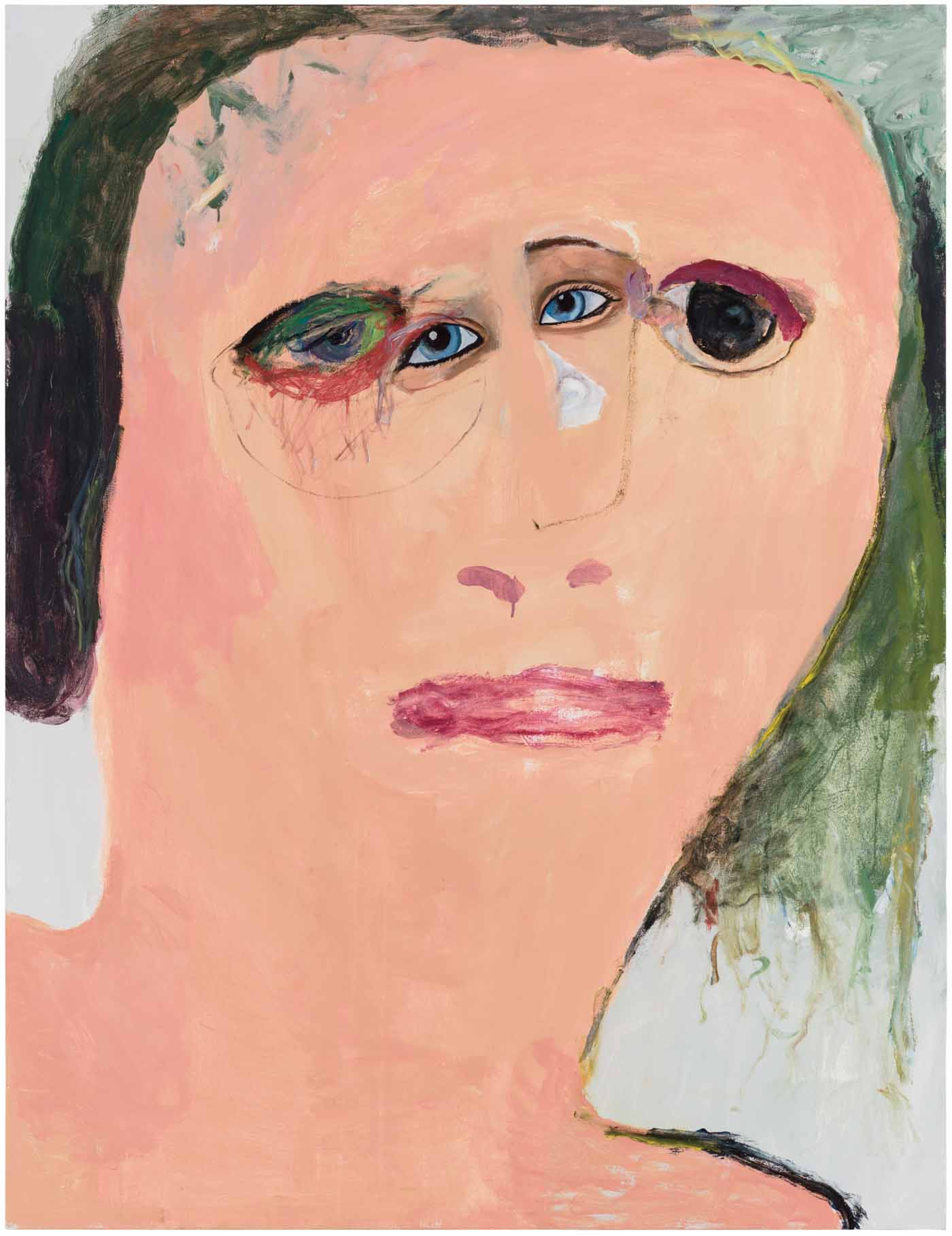

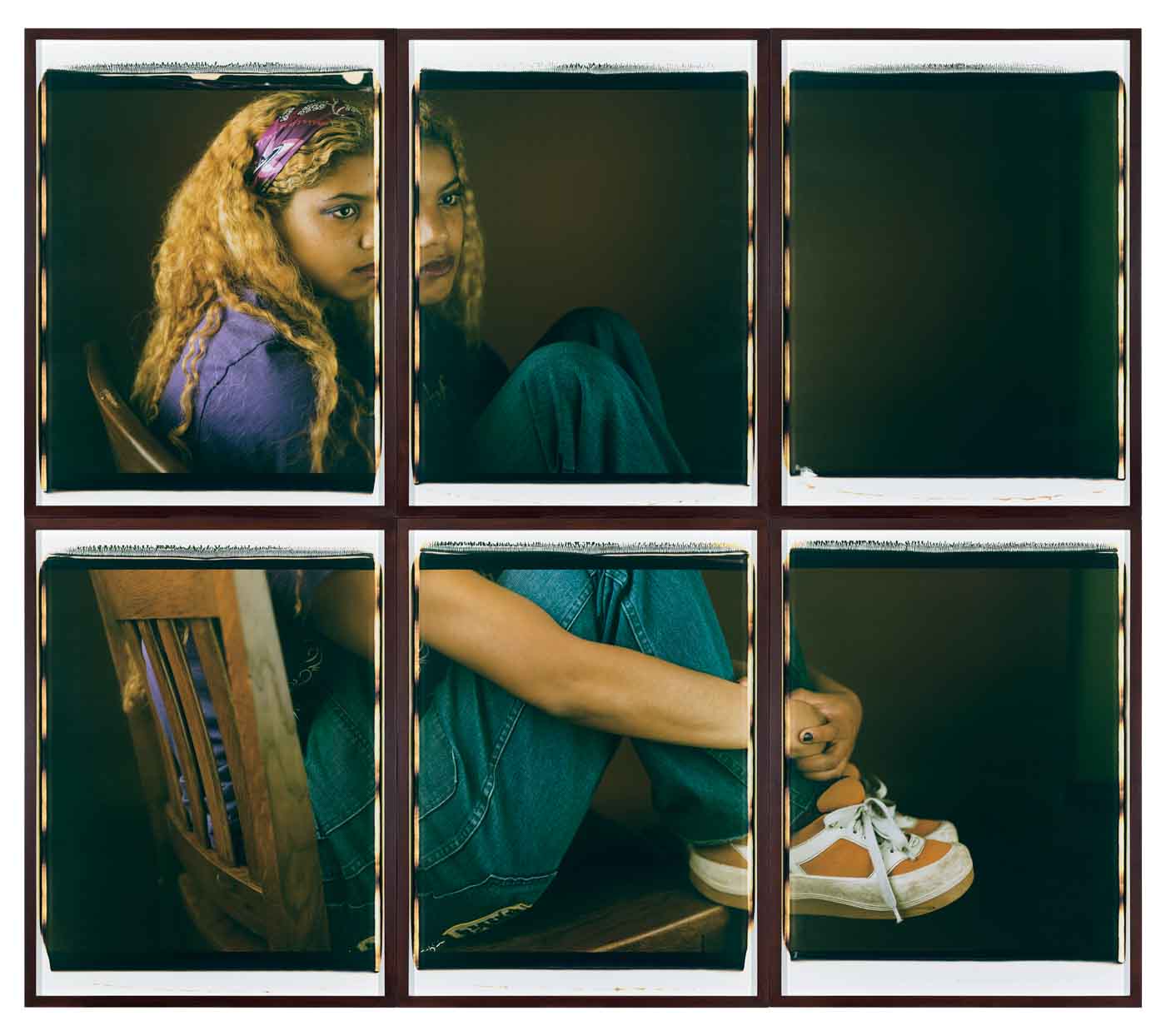
For more information, visit mcachicago.org.