Features | May. 2026
CENTENNIAL LEADERSHIP
By Contributor
PHOTOGRAPHY BY JAMES GUSTIN
Danny Wirtz

JWC Media
a luxury lifestyle website that delivers a colorful and passionate telling of neighboring events, fashion, beauty, finance, and the pursuit of leisure.
By Contributor
PHOTOGRAPHY BY JAMES GUSTIN
Danny Wirtz
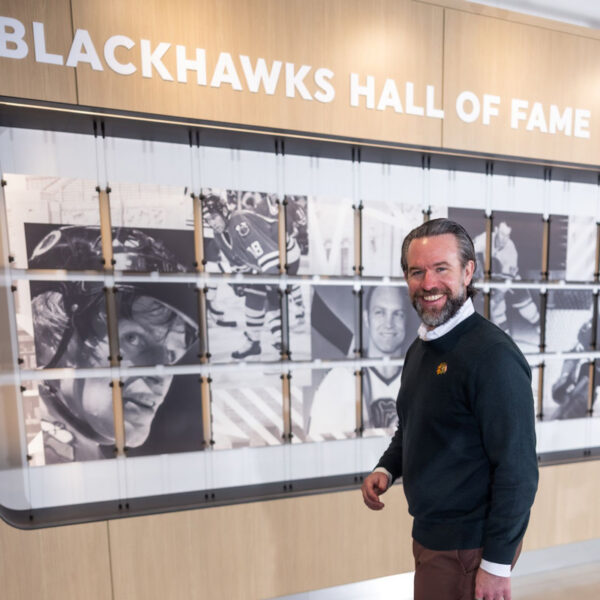
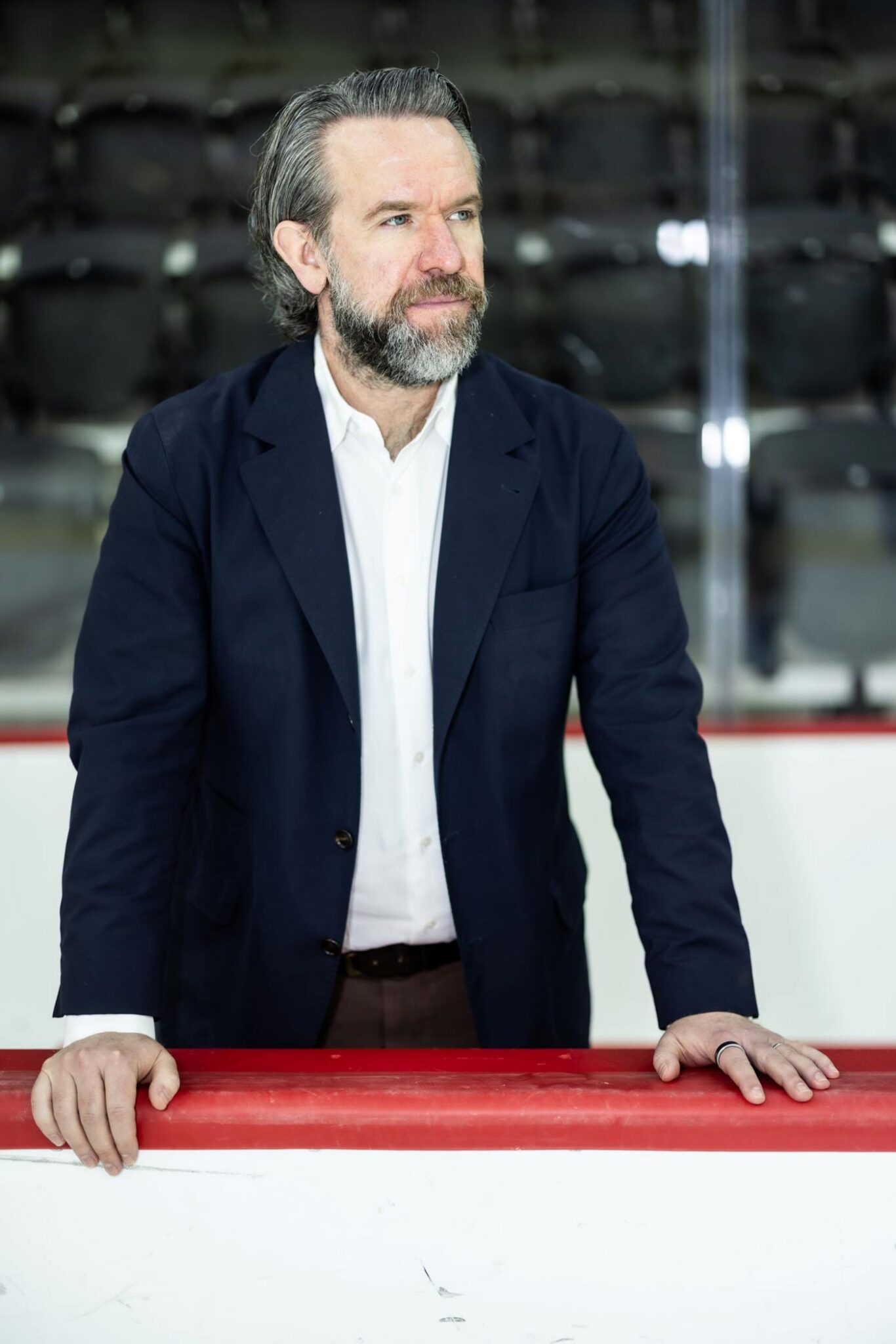
In a city that reveres its sports heroes and the families who steward its most iconic teams, the name Danny Wirtz carries both legacy and responsibility. As the fourth-generation Chairman and CEO of the Chicago Blackhawks, Danny stepped into the role following the passing of his father, Rocky Wirtz, becoming the latest steward of one of Chicago’s most storied franchises.
Yet titles and lineage only tell part of the story.
I’ve known Danny for many years, and what stands out most has never been his last name, but the character behind it. In a city where the Wirtz family is often spoken of with the reverence reserved for Chicago royalty, Danny moves through rooms with humility. There’s an authenticity to him that is rare: thoughtful in conversation, intentional in leadership, and deeply grounded in the belief that success means little if it isn’t shared with others.
As we celebrate our “Men” issue, Danny embodies many of the qualities I admire most in modern leadership—strength without ego, vision without arrogance, and a genuine respect for the people who make organizations and communities thrive. In an era when many leaders measure success solely in money, wins and losses, Danny is equally focused on the culture that creates those victories.
That philosophy feels especially meaningful this year as the Chicago Blackhawks celebrate their Centennial Year. Three generations of Wirtz leadership have each experienced the thrill of a National Hockey League championship, including the unforgettable run of Stanley Cups during the Rocky Wirtz era. Now, Danny is laying the foundation for the next chapter, one built on relationships, trust, and a culture designed to sustain success for decades to come.
While fans naturally focus on banners and championships, Danny’s approach reflects the lessons he learned from his father: build the people, nurture the culture, and the wins will follow.
In this conversation, Danny offers a candid look inside what it means to lead the Chicago Blackhawks at such a pivotal moment. From honoring his father’s legacy to shaping the future of the franchise, he shares the principles guiding his leadership, his vision for the organization, and what success truly looks like as he carries one of Chicago’s most historic teams into its next century.
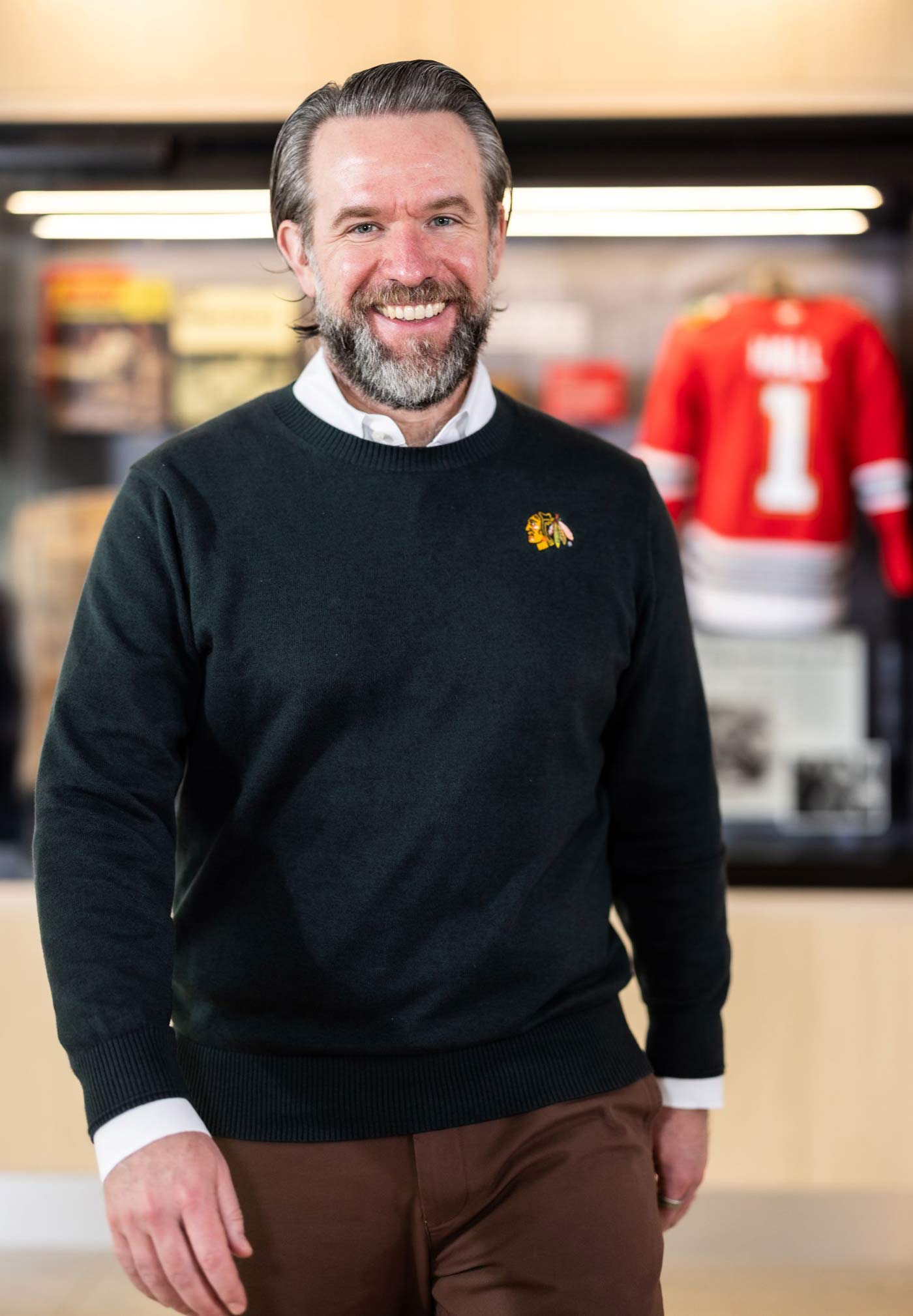
You are the fourth generation of your family to lead the Chicago Blackhawks. Describe what that responsibility felt like the moment you realized the franchise was now yours to guide.
There wasn’t a single defining moment – it was more of a quiet realization that settled in over time. The Blackhawks have always been a part of my life, but stepping into this role reframed that relationship. It stopped feeling like something I was connected to by history and became a responsibility to carry forward with intention.
This franchise has meant so much to Chicago for 100 years, and when you truly understand that, leadership becomes less about ownership and more about stewardship – honoring what came before while continuing to build what comes next.
Every generation of the Wirtz family before you has won a Stanley Cup. Does that tradition feel like pressure, motivation, or both?
It’s definitely both – but I view it far more as motivation than pressure. Championships aren’t something you inherit; they’re something you build the right way. One of the last things I spoke about with my dad before he passed was his goal to have a fourth generation on the Stanley Cup. I took that as the mandate to go for it. Now, each of those three generations won Cups in very different eras, under very different circumstances. What connects them isn’t the trophy – it’s the belief that excellence has to be intentional.
That history pushes us to make smart, long-term decisions rather than chase shortcuts. Winning in today’s NHL requires patience, infrastructure, and trust in people. When you commit to those principles consistently, you give yourself the best chance to compete at the highest-level year after year.
Your father, Rocky Wirtz, was credited with ushering in a modern era for the organization. What are the most important lessons you carry from him into your own leadership?
My dad taught me that culture and relationships matters as much as talent and performance. He believed that if you treat people with respect – and give them what they need to succeed – great things can happen and performance will follow.
He also pushed me to trust my instincts. He didn’t want me to lead like him; he wanted me to lead authentically. That lesson has stayed with me – especially in moments that require conviction or clarity when the path forward isn’t obvious. His impact on this franchise went far beyond wins and losses, and I feel that presence every day.
The Blackhawks are celebrating their 100th anniversary this year. Share what this centennial moment means to you personally and what you are most excited to see happen over the next 5-10 years.
The Centennial is incredibly meaningful – not just as a milestone, but as a moment to reflect on how deeply this team is woven into Chicago’s identity. That responsibility feels even more profound knowing how much my family has been part of the story.
What excites me the most is that our Centennial isn’t just backward-looking. It’s about recommitting to innovation, community, and growing the game. Over the next decade, I want the Blackhawks to be known not only for competing at the highest level again, but for developing players the right way, expanding access to hockey, and continuing to evolve what a modern sports franchise can be.
Describe what building a championship-caliber team looks like today behind the scenes—from front office strategy to player development.
Today it’s about alignment across the organization. Front office, business operations, coaches, development staff – everyone has to be pulling in the same direction. That means investing heavily in player development, analytics, performance science, and mental health support alongside traditional scouting.
We’re focused on building depth through our system, creating internal competition, and giving young players the right runway to succeed – not rushing them before they’re ready. Sustainably competitive teams are built years before they contend, and that work often happens quietly behind the scenes.
Chicago is one of the great sports cities in the world. Besides the Blackhawks, which other local teams do you find yourself following closely?
Chicago sports are part of the fabric of this city, and I’ve always appreciated that. I naturally pay attention to the Bulls since we are partners in ownership of the United Center, but I’d say I keep my eyes on them all. I admire how other organizations like the Bears, Cubs and Sox continue to shape generational fandom and I’ve recently started to follow the Sky after their two games last season at the United Center. What I love most is how fans here support their teams with honesty, loyalty, and expectation. The standard makes Chicago special and keeps us all accountable.
How important is the in-arena experience today, and what innovations are you most excited about to elevate game nights?
The in-arena experience is more important than ever, but I think about it as part of a much larger ecosystem around how fans connect with the team. Yes, game night at the United Center needs to be special – but so does everything that happens before and after that.
That’s why investments like the Blackhawks Ice Center and the 1901 Project matter so much to me. It’s not just our practice facility – it’s a community hub where people interact with the organization every day, not just on game nights. Creating those touchpoints builds long-term connection and loyalty. For the 1901 Project, we’ll have the opportunity to shape a new game day experience that will extend beyond the four walls of the United Center.
As a father of two daughters, how has being part of the hockey world shaped their experience growing up?
I tease them that they are spoiled, having been in multiple Stanley Cup parades before they turned 10! Just like how I grew up, they have had such a special opportunity to be part of the incredible community that surrounds the Blackhawks. The United Center is like a second home for them – from being at games with extended family, friends, fans and employees, they have all watched them grow up. Now, they are starting to home in on their own interest and fandom as the age of our players is just a few years older than them – which makes it that much more fun and relatable for them.
Beyond winning another Stanley Cup, what does success ultimately look like for you as the steward of this franchise and this family legacy?
For me, success is about building something that lasts – well beyond a single season or even a single era of players. Winning absolutely matters, and it always will, but it’s not the only measure of whether we’re doing our job right.
I want this organization to be known for how it treats people, how it develops talent, and how it shows up for the city of Chicago. If we’re creating an environment that players are proud to be part of, employees feel connected to, and fans trust and believe in, then we’re honoring both the franchise and the family legacy that comes with it.
If the next generation looks at the Blackhawks and sees a team that evolved with the times while staying true to its core values – that’s success to me.
This article originally appeared in Fete Lifestyle Magazine (fetelifestylemag.com).