Features | Jun. 2026
STEPPING INTO ITS POWER
By Ann Marie Scheidler
photography provided by Lake Forest College

JWC Media
a luxury lifestyle website that delivers a colorful and passionate telling of neighboring events, fashion, beauty, finance, and the pursuit of leisure.
By Ann Marie Scheidler
photography provided by Lake Forest College
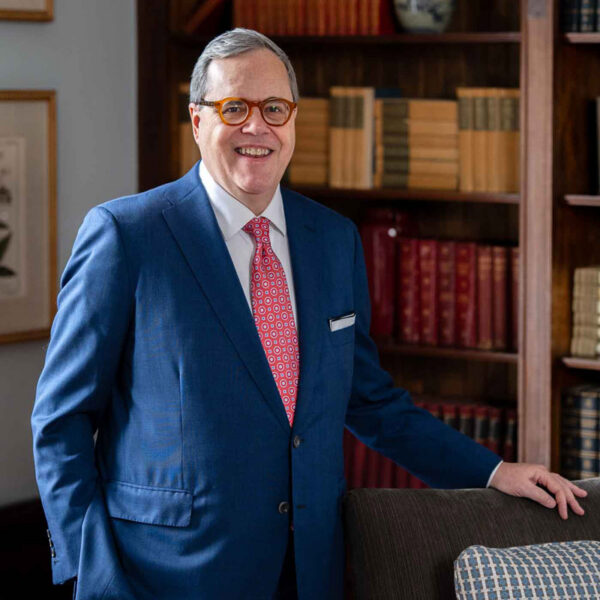
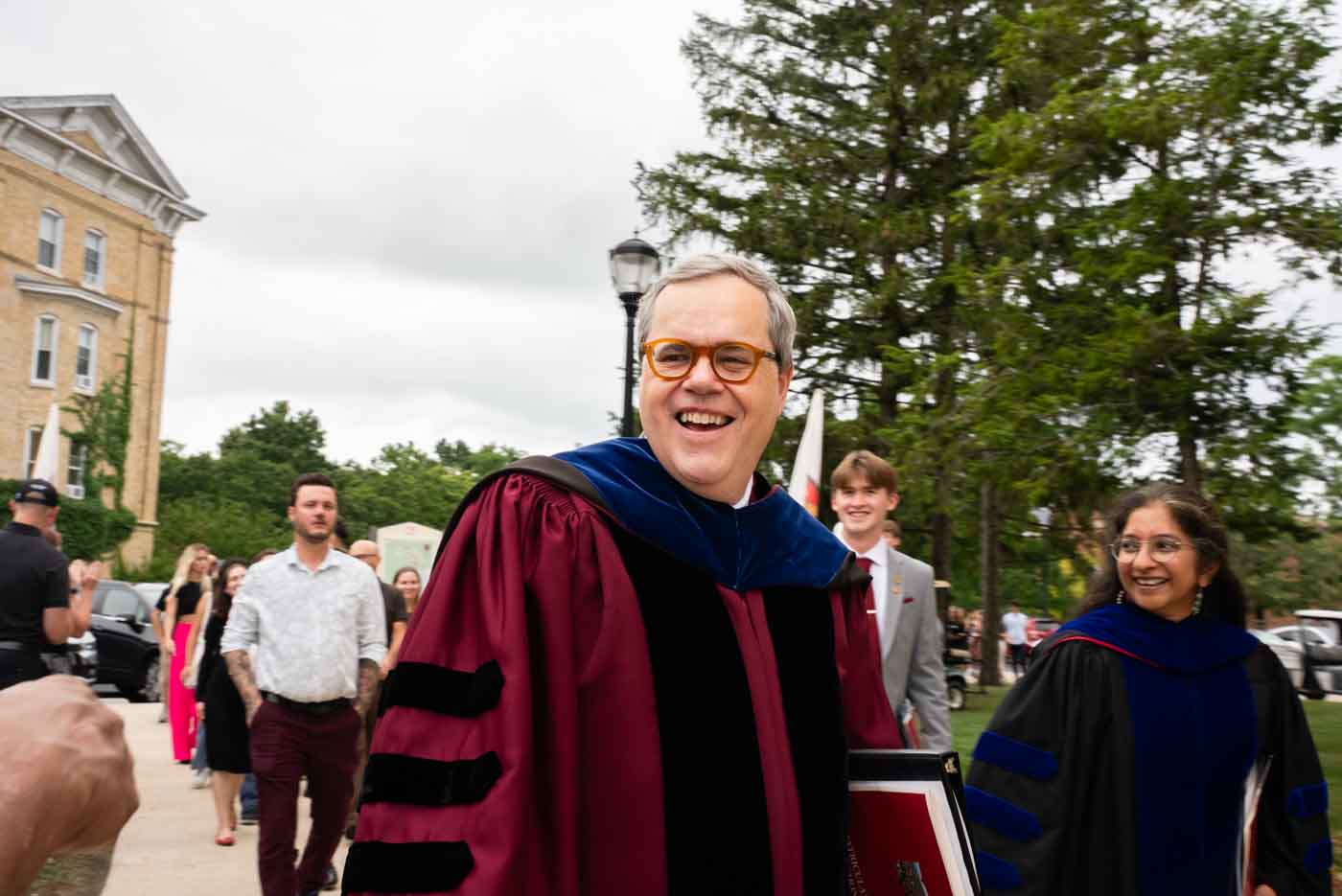
DR. MICHAEL SOSULSKI, who recently took the helm as Lake Forest College’s 15th president, speaks about liberal arts education with the energy of a lifelong believer and the urgency of someone intent on expanding access to it.
Officially inaugurated on April 10, Sosulski arrived in Lake Forest last August with an impressive résumé—a successful presidency at Washington College in Maryland, years of academic leadership at Wofford College, and a long career as a German scholar and professor. But in conversation, what comes through most clearly is not a list of accomplishments. It is a sense of momentum.
“It felt really comfortable right away,” Sosulski says. “People are genuinely friendly. They are excited to get going.”
For Sosulski, the position at Lake Forest College carries personal meaning. A native of Chicago’s western suburbs, he describes his new role as “a special homecoming in a lot of ways,” one that has returned him not just to Illinois, but to the kind of small liberal arts institution he has long valued.
That grounding matters because his work ahead at Lake Forest College is ambitious. At the top of his list are two interlocking priorities: increasing the college’s visibility and engagement with the surrounding community and building the kind of endowment that can sustain the college’s mission for generations to come.
Sosulski is clear-eyed about the financial realities facing private higher education. Sticker prices can intimidate families, even when generous financial aid makes a college like Lake Forest more attainable than many assume. Preserving that accessibility, he says, will require long-term financial strength.
“Raising money for the endowment is one of my top goals,” he says, “so that we can keep scholarships available in an abundant way for students to be able to experience this transformative style of education, regardless of what kind of background they come from or what their families’ means are.”
That emphasis is one of the reasons he was drawn to the role in the first place. Rather than centering a fundraising campaign around a single marquee building, he says the college is focused on something more foundational: scholarships and endowed faculty positions.
“Our primary initiative is all about scholarships and endowing professors, chairs, so that they have their salary and benefits covered in perpetuity,” he says. “And that keeps everything affordable for our students.”
For Sosulski, the endowment is not an abstract financial instrument. It is the difference between aspiration and access. It is what allows a school to say “yes” to talented students from a wide range of backgrounds. It is what allows a college not only to attract outstanding faculty, but to keep tuition growth in check and strengthen the academic experience over time.
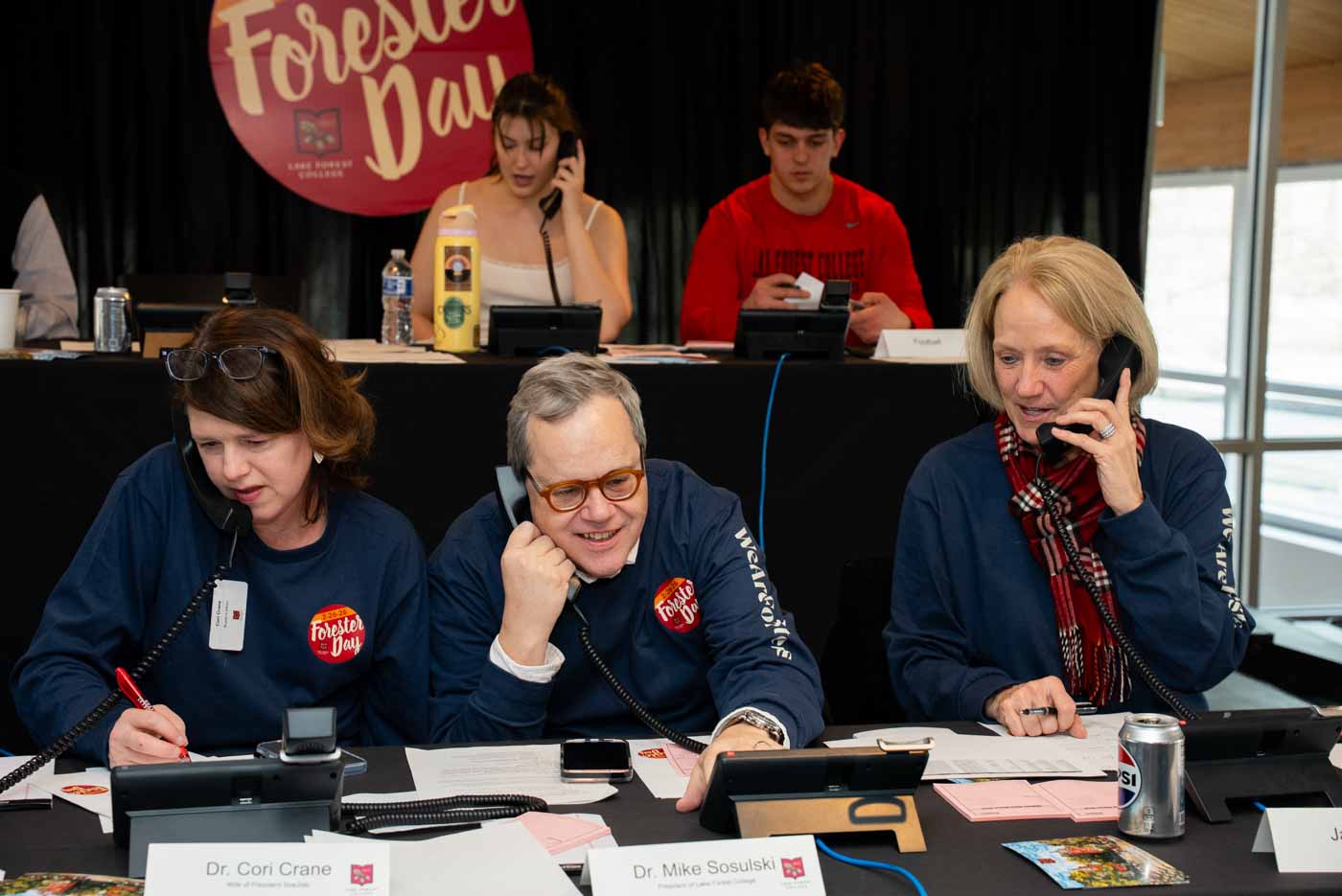
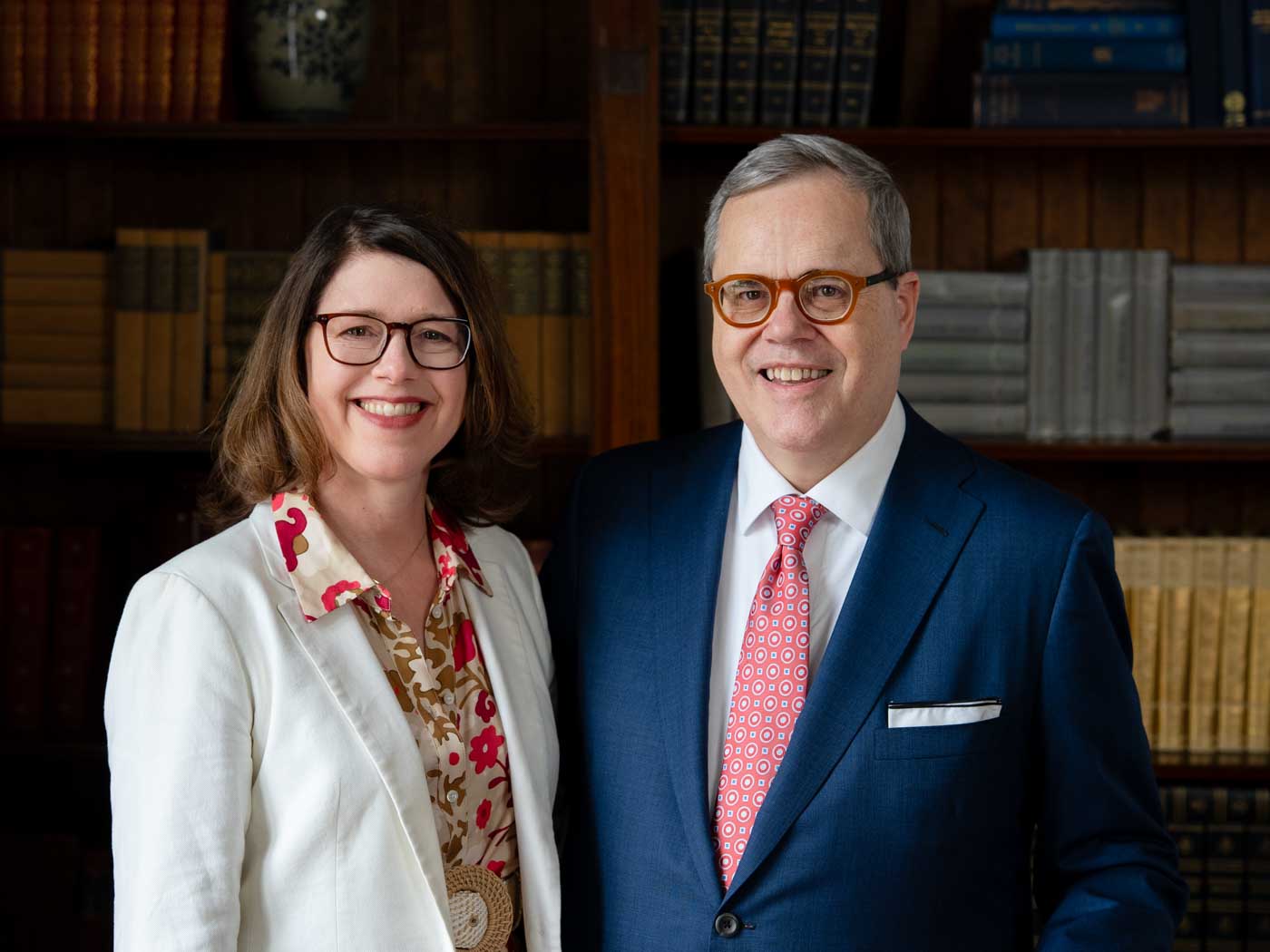
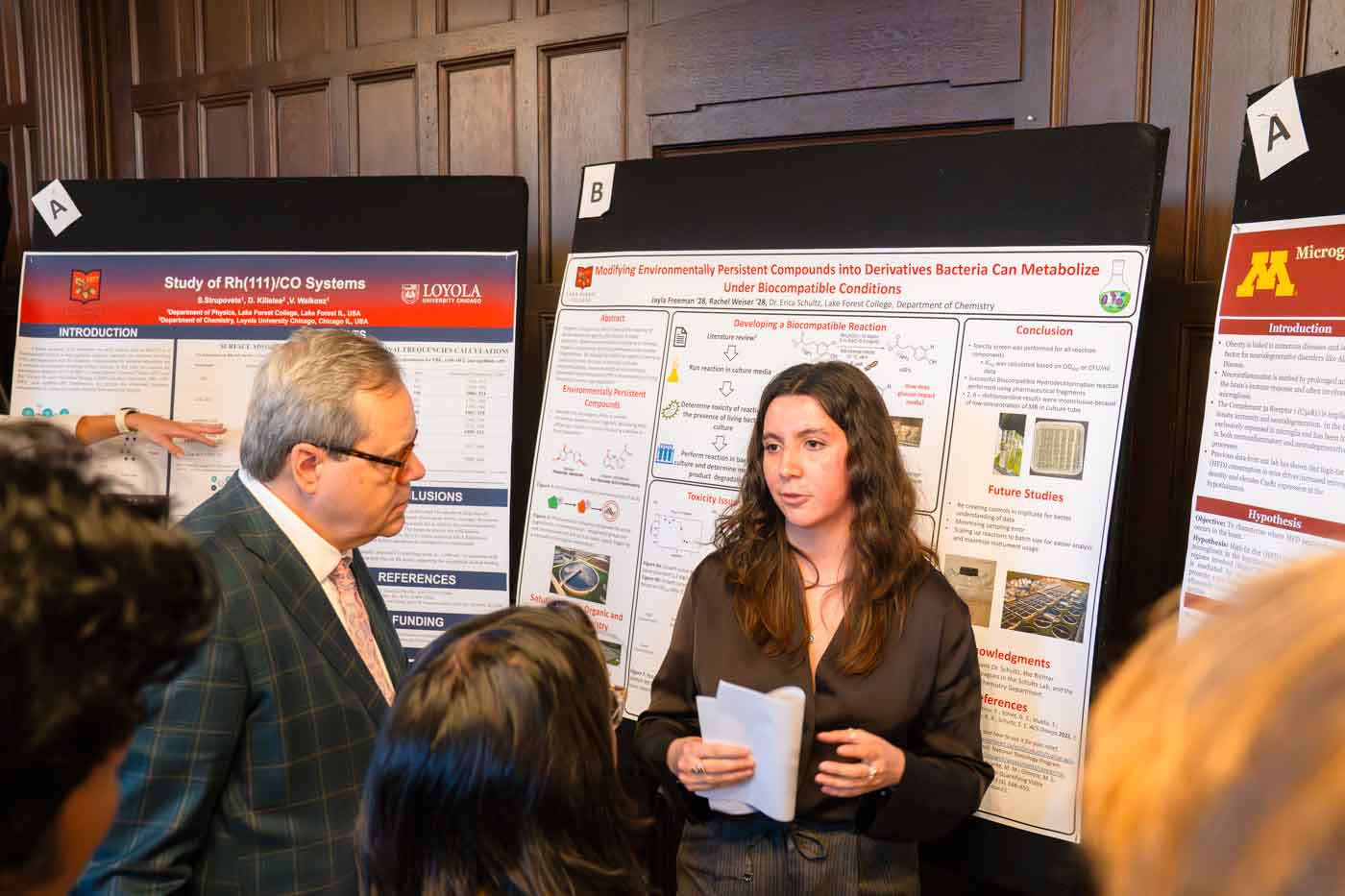
At the same time, he believes Lake Forest College has room to grow in public awareness and civic presence.
“My sense of it is that Lake Forest College has not always stepped into its full power as an institution,” he says. “That is not to criticize anyone who ever came before me, but just to say it’s really time.”
He is emphatic about the college’s quality.
“We know we’re a top 100 liberal arts college,” he says. “But when I look at the quality of what our faculty do with students … we’re in the top 50. We’re the Swarthmore College of the Midwest. There’s no question in my mind about that. And the only difference between Swarthmore and us is the size of our endowment and how much people know about us.”
That second point—how much people know about Lake Forest College—has become central to his early agenda.
Sosulski says he has heard repeatedly from residents across Lake Forest, Lake Bluff, and the broader North Shore that they want the college to feel more open and accessible. His answer is not merely symbolic outreach, but meaningful participation.
“One of the very first things that I determined we would do,” he says, “was we need to open up the campus to adult learners.”
That plan is already taking shape. The college has begun piloting adult learning courses, including an oversubscribed series on artificial intelligence, with plans to expand to a broader catalog of community-facing offerings. By fall, Sosulski hopes to have at least a dozen stand-alone courses available to adult learners taught by faculty and expert community members.
“They just want intellectual engagement,” he says of prospective participants. “They want to keep learning.”
The goal, of course, is educational. But it is also relational.
“It’s just a way to get people onto our campus,” he says. “Come sit in our classrooms and experience our laboratories and what we can offer. When you do those kinds of things, it makes people feel even more invested in your institution.”
Sosulski’s broader vision for engagement also includes stronger partnerships with government, local schools, community colleges, and regional institutions. He has already been meeting with local officials, state legislators, and federal representatives to position Lake Forest College as a valuable civic and economic partner.
“We want to be a great partner with every level of government,” he says. “We firmly believe in the civic good that we’re delivering through the education and the services we provide to our community.”
That phrase—civic good—gets at the heart of how Sosulski understands higher education. He is not interested in a college that turns inward. He is interested in one that becomes more deeply embedded in the life of its town, region, and state.
That outward-facing approach is matched by his equally hands-on presence on campus. Sosulski makes a point of staying closely connected to students—whether that means joining the jazz ensemble to rehearse alongside them or running into groups of students on the train into Chicago, where, as he tells it, he is quickly welcomed into conversation. It’s those everyday interactions, he suggests, that keep his work grounded in the student experience.
For the community, that could mean more opportunities to learn on campus, more visible partnerships, and a stronger sense that Lake Forest College is not simply nearby, but part of the shared fabric of local life. For students, it could mean a college with greater resources, broader pathways, and an even stronger connection to the world beyond its campus.
In Sosulski’s telling, those ambitions are inseparable. Build the endowment, and you protect access. Open the campus, and you deepen investment. Strengthen the ties between college and community, and both become more vibrant.
“We’ve always offered a transformative education,” he says. “But who that’s for and how much impact we can have regionally and nationally—it’s only starting. It’s only beginning.”
For more information about Lake Forest College and its community engagement efforts, visit lakeforest.edu/community.