Features | May. 2026
RESIDENT BRILLIANCE
By Joe Rosenthal
photography courtesy of Ragdale Foundation

JWC Media
a luxury lifestyle website that delivers a colorful and passionate telling of neighboring events, fashion, beauty, finance, and the pursuit of leisure.
By Joe Rosenthal
photography courtesy of Ragdale Foundation
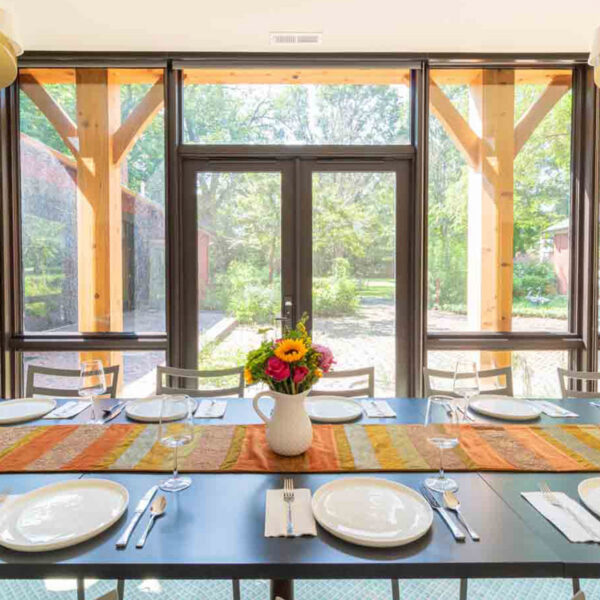
FEW WOULD ARGUE that great art operates on multiple levels. There is the immediate and visceral reaction upon seeing something unexpectedly beautiful or challenging to one’s perspective. And when that moment has passed, there are layers of meaning connected to context or intent left to be unraveled.
Perhaps unsurprisingly given its purpose, Lake Forest’s venerable Ragdale artists’ residency, which celebrates its 50-year anniversary this year, plays upon the senses in a similar manner.
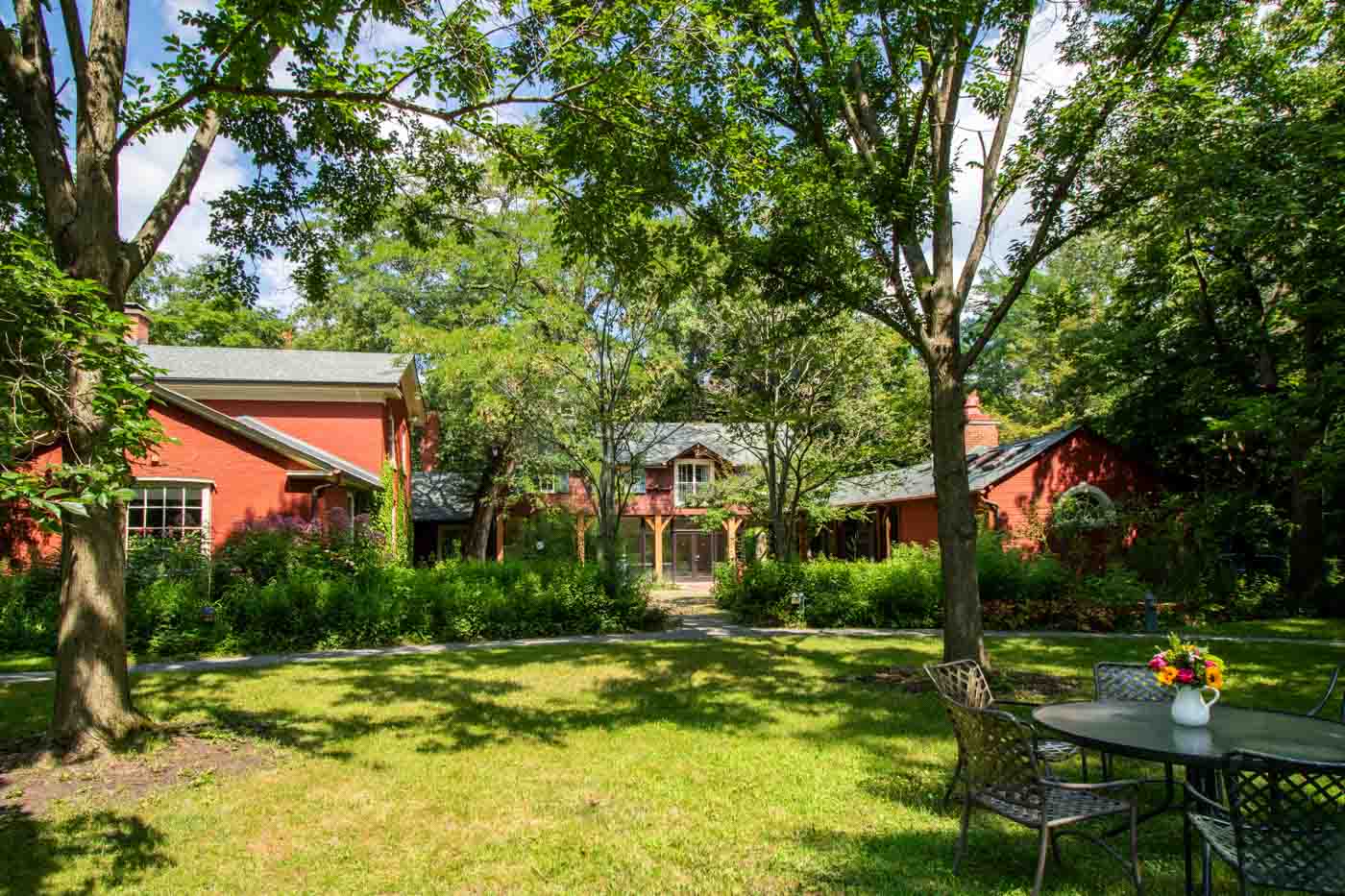
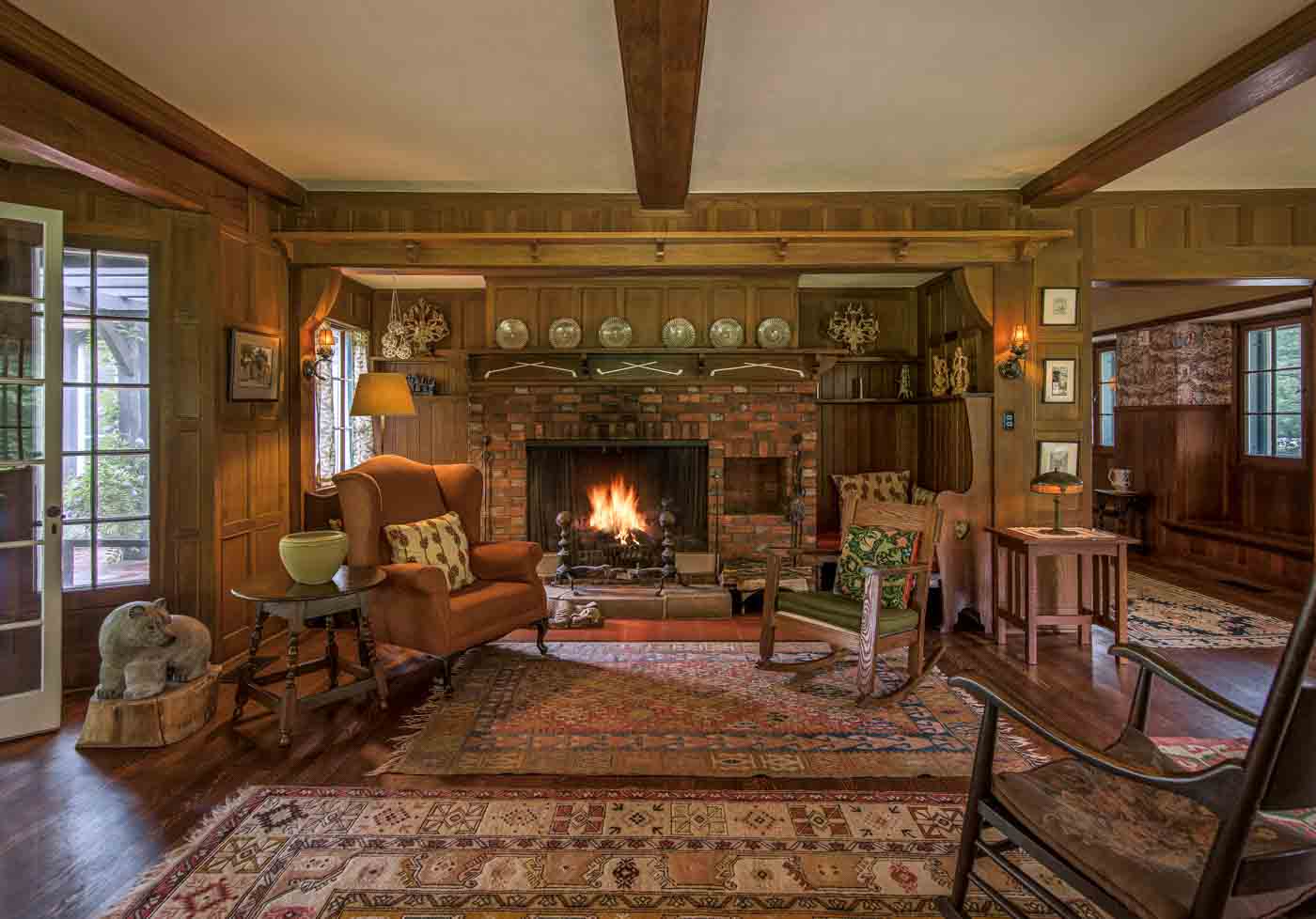
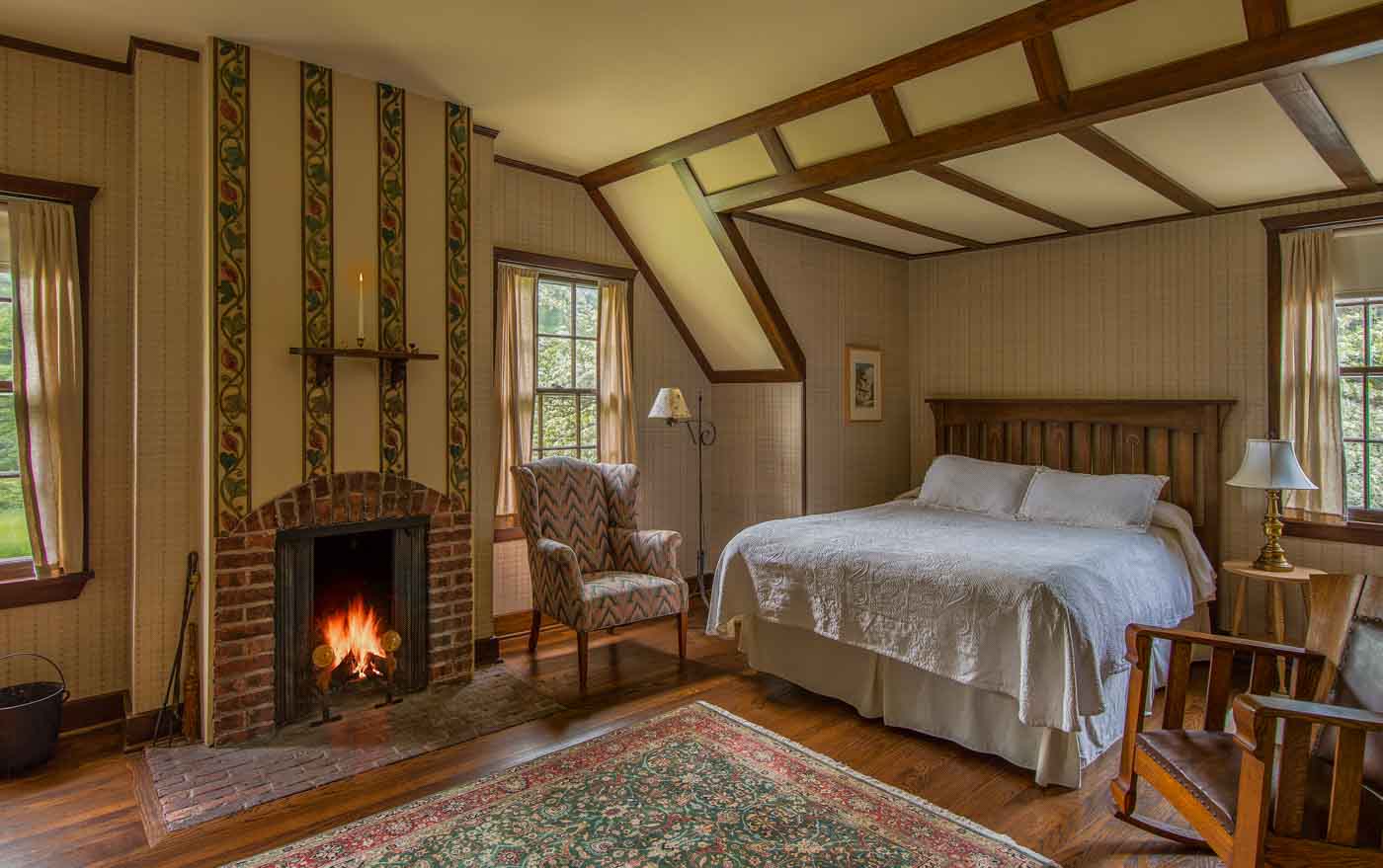
To passersby on Green Bay Road, the nonprofit’s legendary home—a stunning Arts & Crafts estate designed by architect Howard Van Doren Shaw—instantly resonates with its stately, welcoming beauty. Built in 1897 as a summer retreat for Shaw and his wife, playwright Frances Wells Shaw, it served as a respite for generations of family members.
But walk farther onto the grounds and you start to decode the depth of what this property means to artists who have taken up residence there. You’ll find a modern dance studio and recording space, a visual art space, a farmhouse, historic gardens, and acres of pristinely preserved open land.
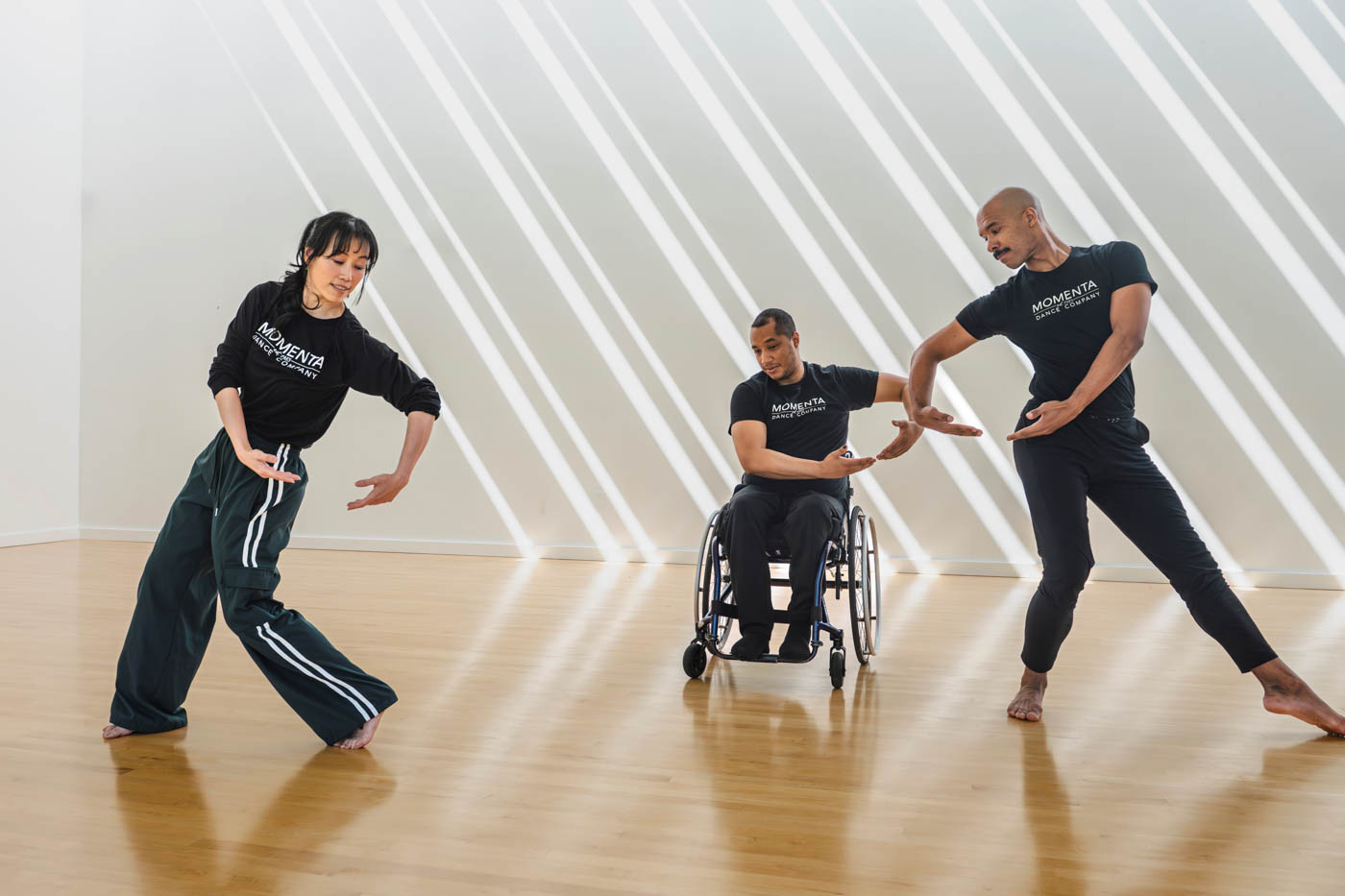
Venture deeper to discover multidisciplinary artists working on all manner of projects—writing books, sculpting, composing, thinking, dancing, painting, and choreographing. They live together on the property, learning from each other, breaking bread, strolling the grounds, and imbuing the place with creative electricity. And every three weeks, a new group—each carefully selected from hundreds of applicants and matched for their potential chemistry—arrives to start the magic all over again.
Presiding over this unique and alchemical place—which was founded in 1976 by poet, teacher, and social activist Alice Judson Ryerson Hayes as a nonprofit to serve artists—is Executive Director Paul Sacaridiz. He and his dedicated team of 15 members work behind the scenes to honor Ragdale’s legacy and simultaneously push it straight into the messy complexity of the 21st century.
“We are living in an immensely complicated time,” says Sacaridiz. “I think people are seeking out meaning.”
The idea of being a part of an intentional community of people working toward a common goal is part of the reason he believes Ragdale is attracting more artists than ever. In fact, the organization—which adheres to a threepronged mission of artists residencies, historic preservation, and environmental stewardship— saw its biggest field of applicants ever last year.
It’s one of the largest interdisciplinary artist residency programs in the country (roughly 250 residents annually), and one of the few that’s located on a historic property. Sacaridiz was himself an artist in residence at Ragdale, and he recognizes that it’s far more common in such environments to be surrounded by artists of similar disciplines and backgrounds.
“I have been fortunate enough to take part in a number of different residency programs over the years, and in most instances you are working with people who are part of the same club. It was so freeing to sit at a table for dinner and not be surrounded by immediate peers, but instead to sit with a poet, a choreographer, a musician,” he recalls. “The conversations were totally rich and expansive, focused far more on ideas than outcomes.”
It’s clear that the absence of a singular focus is not impacting the quality of the work.
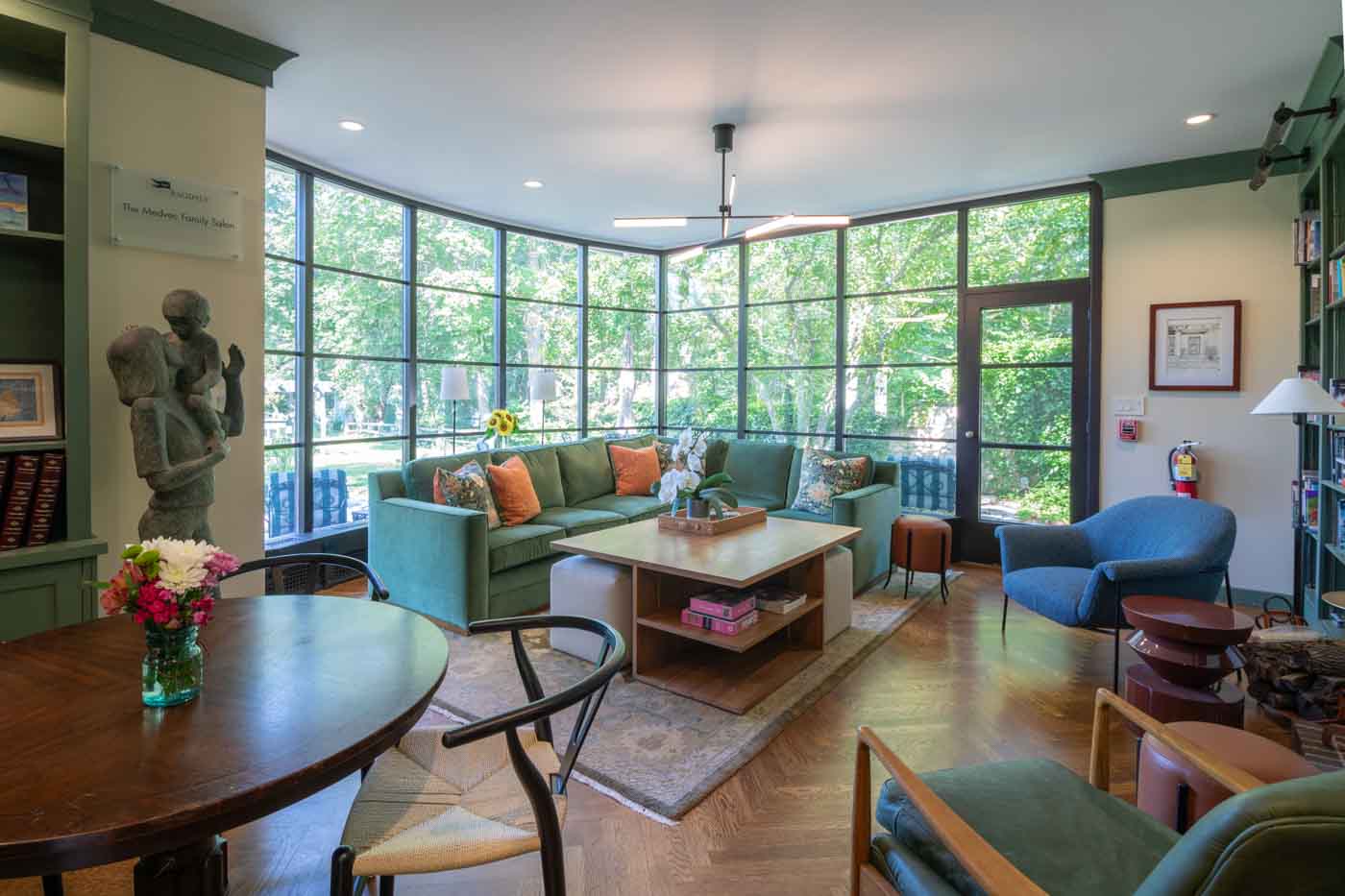
In the Barnhouse there’s a bookshelf that contains some of the works by writers who honed their craft at Ragdale over the decades. There are Pulitzer Prize winners along with winners of every other literary prize imaginable—from the National Book Award to the MacArthur “Genius Grant” and Guggenheim Fellowships. Residents have also won the Pollock-Krasner Foundation Grant for visual arts, Bessie Awards for dance, and Obie and Drama Desk awards for theater.
And yet, as Sacaridiz explains, the goal of the residency is not about winning. (In the same way that each session begins with him asking what his residents are thinking about, not what they plan to achieve while at Ragdale.)
It’s a way of keeping an eye on the prize, which is actually not a prize at all. Rather, it’s about intense focus, risk taking, exploration, and growth, and going deep into a culture that can seem increasingly surface-oriented.
For Ragdale, going deeper means casting a wider net. Sacaridiz has been working to expand Ragdale’s breadth of fellowships—which allows the organization to influence the broader arts ecosystem and empowers donors to make a meaningful impact on the lives of artists. This includes connecting with communities that have been historically marginalized, leading to new fellowships for Midwest native and Indigenous artists, artists living with disabilities, caregivers, and formerly incarcerated artists.
“We recently launched a multi-year partnership with the Center for Native Futures in Chicago,” Sacaridiz explains. “The artists receive support from both Ragdale and the Center for Native Futures, and we will develop joint programming to connect our organizations and the artists we work with. These are some of my favorite types of exchanges, and it allows us to leverage resources we have with organizations that we find inspiring and want to learn from.”
Ragdale is also hosting a series of fellowships that have been underwritten by the Craig H Neilsen Foundation, which is committed to supporting individuals with severe spinal cord injuries.
“The fellowship provides support to artists that includes travel assistance, a personal care assistant, and fully accessible studio spaces. As an organization, we take this work extremely seriously, continually asking how we can best serve artists where they are and adapt our support to the creative practices of artists with disabilities,” adds Sacaridiz. “A recent Neilsen Fellow shared with us that while she accomplished a tremendous amount of work while in residence, it was getting here that felt like the greatest hurdle to cross. It’s essential that we remember the diverse lived experiences that people who come here have, and the role we play in helping to remove barriers where and when we can.”
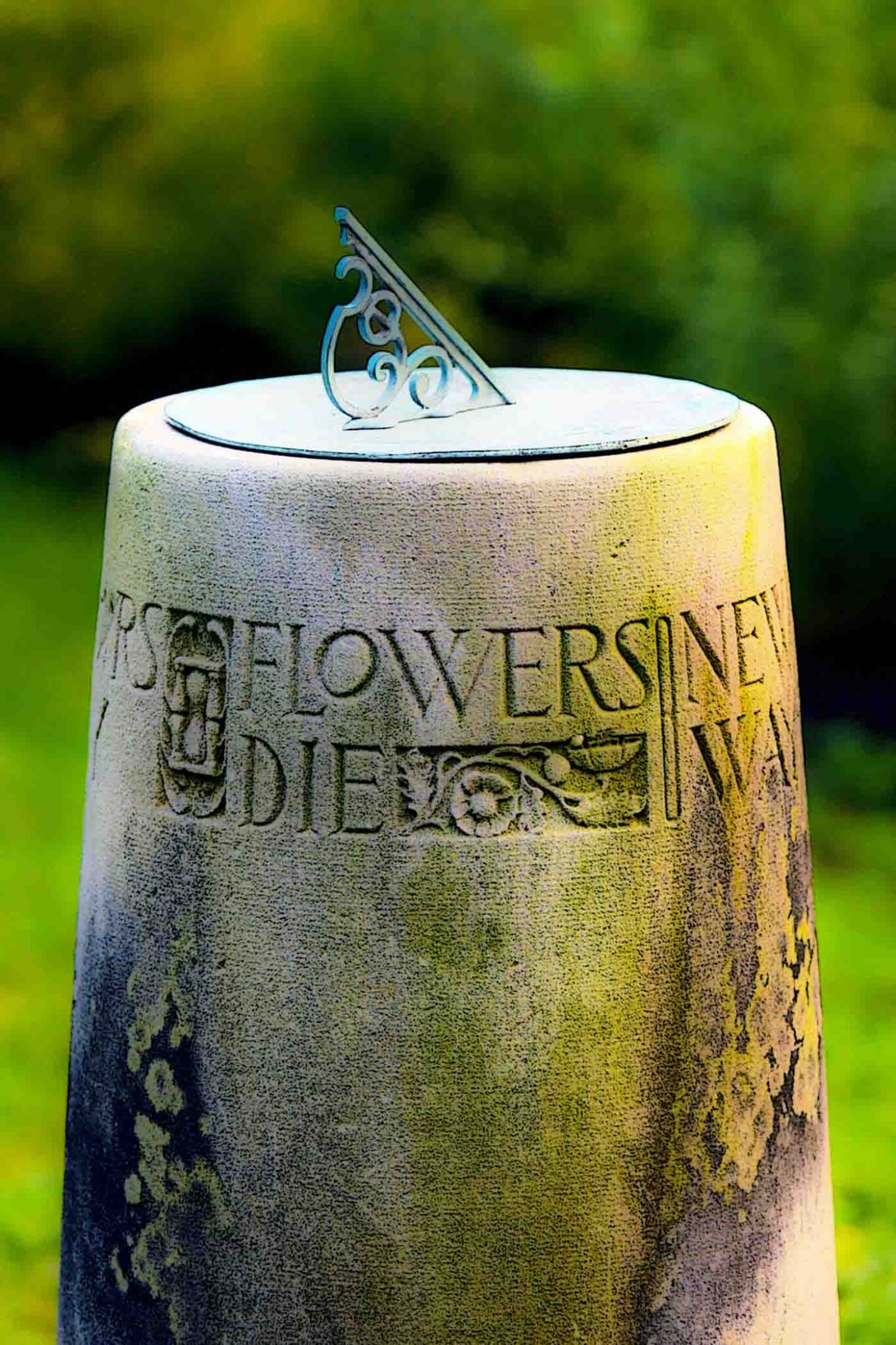
Walking the expansive property, it’s evident how this evolving, three-part mission connects into a whole. The historic buildings and gardens (the latter currently being restored under a Save America’s Treasures grant) are lofty art with their foundations rooted on the North Shore. There’s an organic beauty in the interconnectedness, and also in the imperfection.
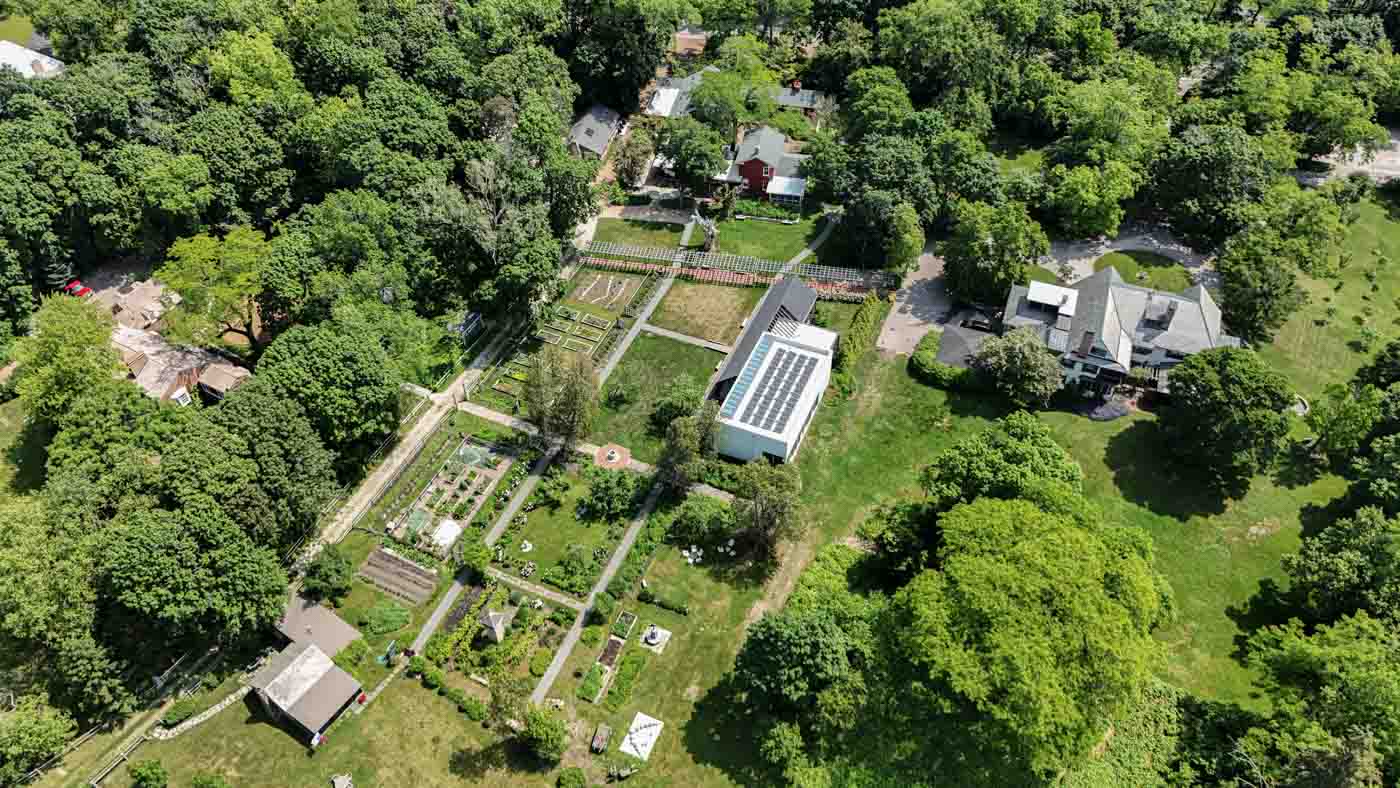
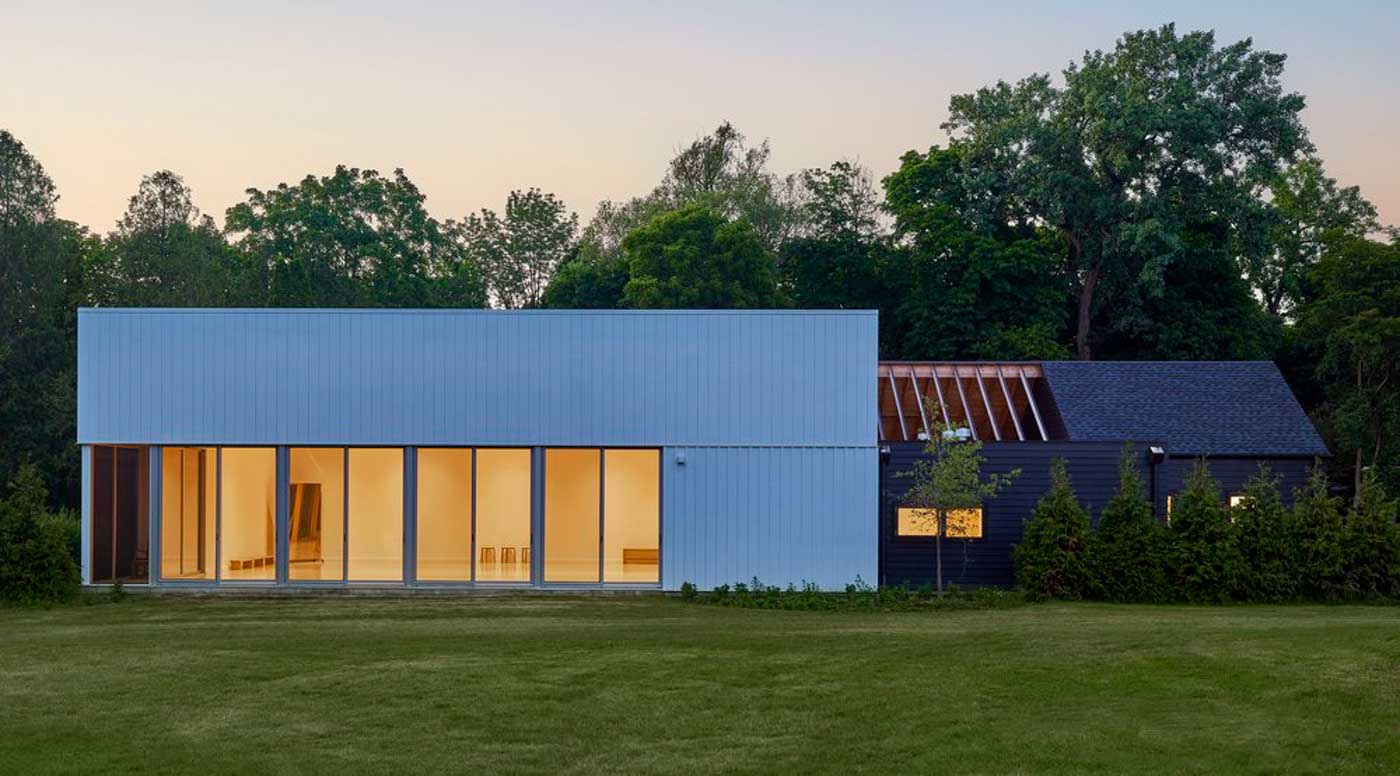
On the day we visited, three century-old trees had been knocked over in a windstorm—falling across a path connecting the Sybil Shearer dance studio to a trail that to the original location of the historic Ragdale Ring open-air performance space.
It also happened to be the last day of a session, the time when residents pack up their belongings and say goodbye to their new friends and colleagues—heading back to their daily lives with emerging artworks. It’s a moment that always moves Sacaridiz, no matter how long he’s been doing it.
“I saw it this morning, and I see it literally every session,” he says. “When the artists leave, they feel emotional, and more often than not they say this place is magical. So many of them use that word, and I often wonder how exactly this place instills that sense of wonder in people. But what they all end up saying is that rarely are they around people in a creative context that doesn’t feel competitive. It feels supportive.”
It is precisely this careful mix of artists from different backgrounds and disciplines living and working on this historic campus, being surrounded by the legacy of 129 years of unbroken creativity. While at Ragdale they are brought together by the generosity of ideas and the possibility of new beginnings in their work. I think that’s the magic of it.
Ragdale is located at 260 N Green Bay Road in Lake Forest. For more information about how to support the nonprofit or upcoming events, visit ragdale.org.
JANE HAMILTON
The Book of Ruth, winner of the PEN/Ernest Hemingway Foundation Award for best first novel and selection of the Oprah Book Club
KEVIN IEGA JEFF
Artistic Director/Co-Founder of Deeply Rooted Dance Theater of Chicago and named one of the Juilliard School’s 100 Most Outstanding Alumni
ALEX KOTLOWITZ
There Are No Children Here, a national bestseller and recipient of the Christopher Award and Helen Bernstein Award
DANIEL KRAUS
Angel Down, a national bestseller, and New York Times Top 10 book of 2025
REBECCA MAKKAI
The Great Believers, named one of the New York Times Best Books of the 21st Century, finalist for both the 2019 Pulitzer Prize and the 2018 National Book Award
AUDREY NIFFENEGGER
The Time Traveler’s Wife, international bestseller adapted into an HBO series
ALICE SEBOLD
New York Times best-selling author of The Lovely Bones