Dinner Date | May. 2026
FOR PAULA
By Peter Michael
PHOTOGRAPHY BY ROBIN SUBAR
Over 50 photographs adorn the walls

JWC Media
a luxury lifestyle website that delivers a colorful and passionate telling of neighboring events, fashion, beauty, finance, and the pursuit of leisure.
By Peter Michael
PHOTOGRAPHY BY ROBIN SUBAR
Over 50 photographs adorn the walls
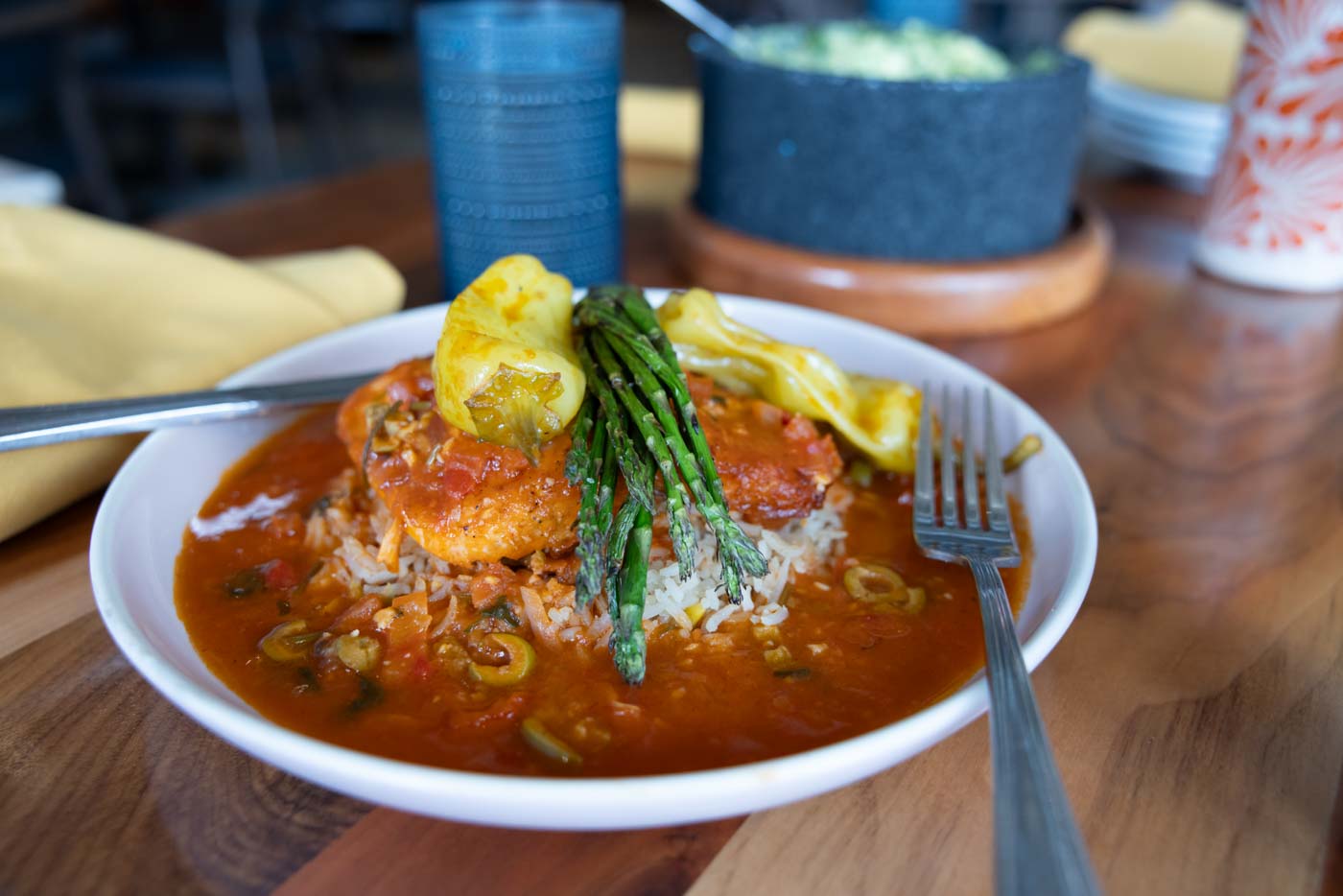
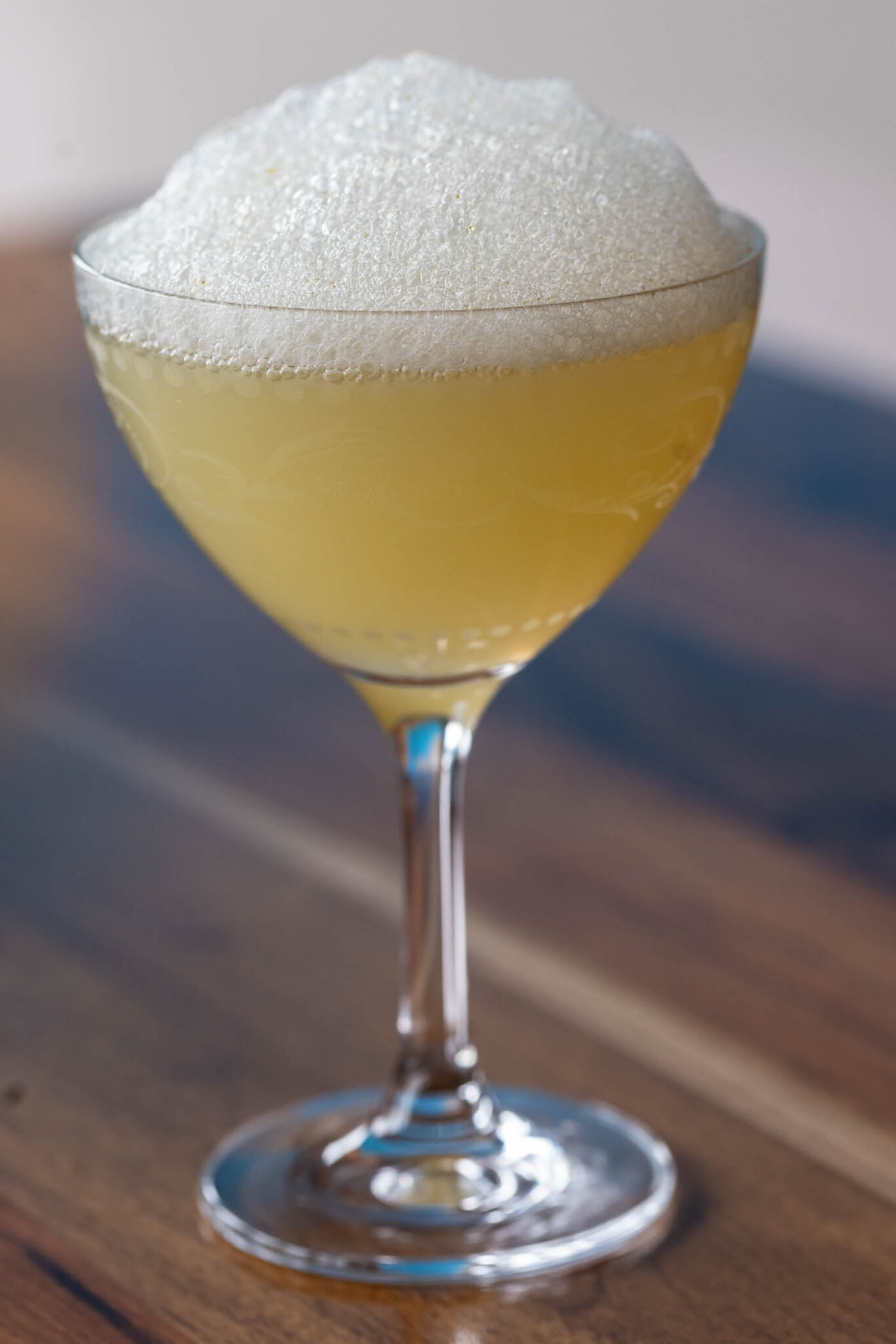
“What is that?” the old gentleman asked, leaning over my clarified-banana cocktail and jabbing his finger in the direction of my entrée. I eat for a living, but I can count on one hand the number of times something I ordered inspired such a bold reaction from a total stranger. My new white-haired friend must have caught a glimpse of my salmon being delivered to my table and made a beeline in my direction for a closer look.
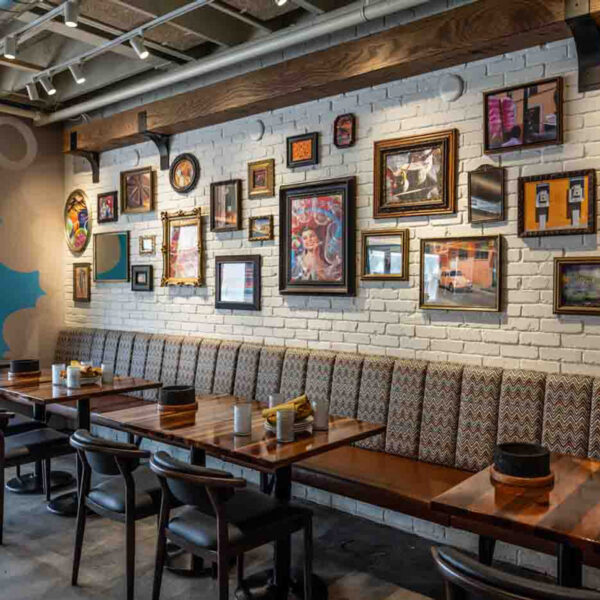
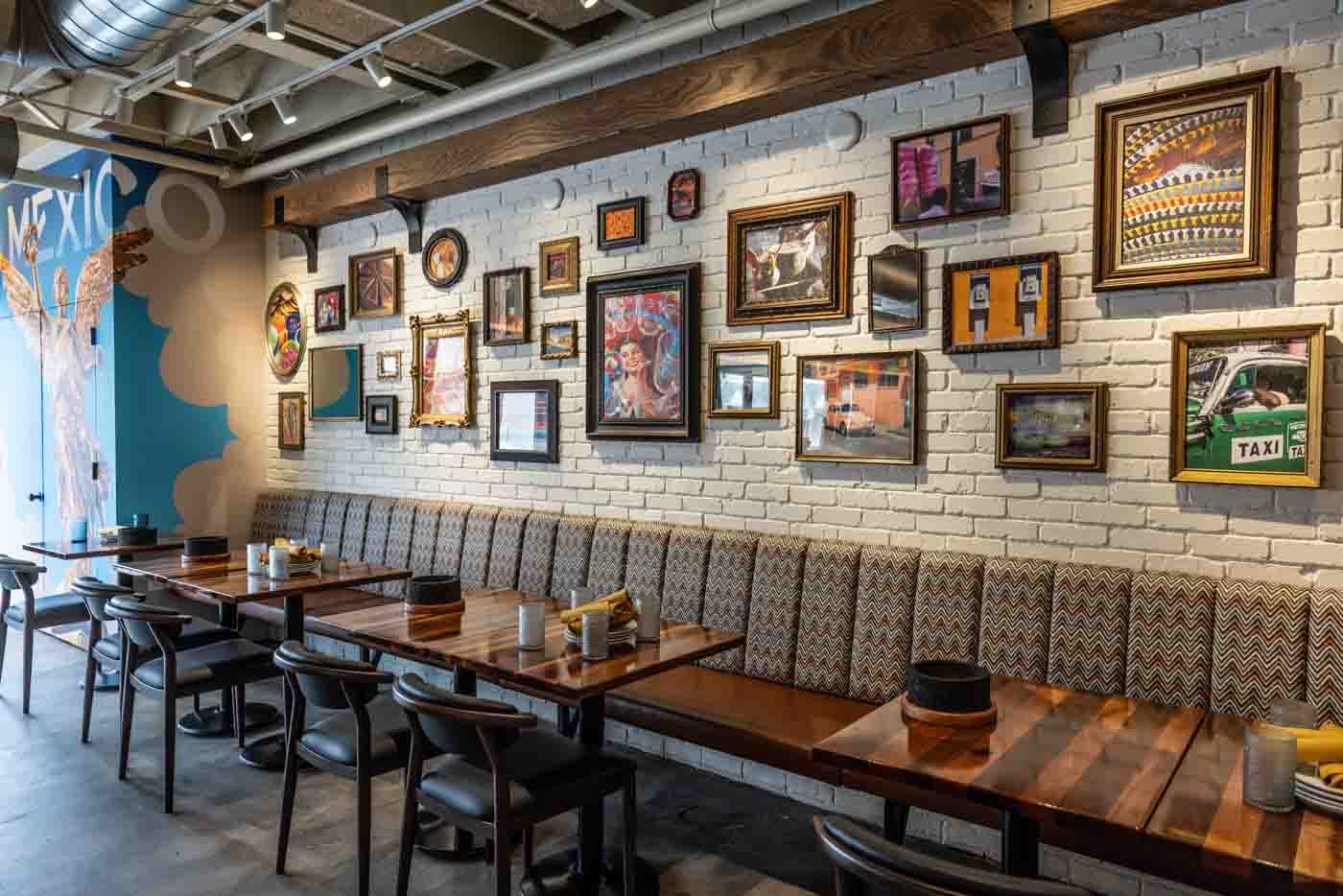
To be fair, there are enough candy-colored diversions, both in the décor and on the menu, at Fonda de Paula in Downers Grove to distract anyone. The stark white walls are painted the color of fresh-cut coconut. Rows of up-lit Jarritos bottles glow like stained glass above the front door. And a colorful barrage of photos and framed artifacts crowd the walls.
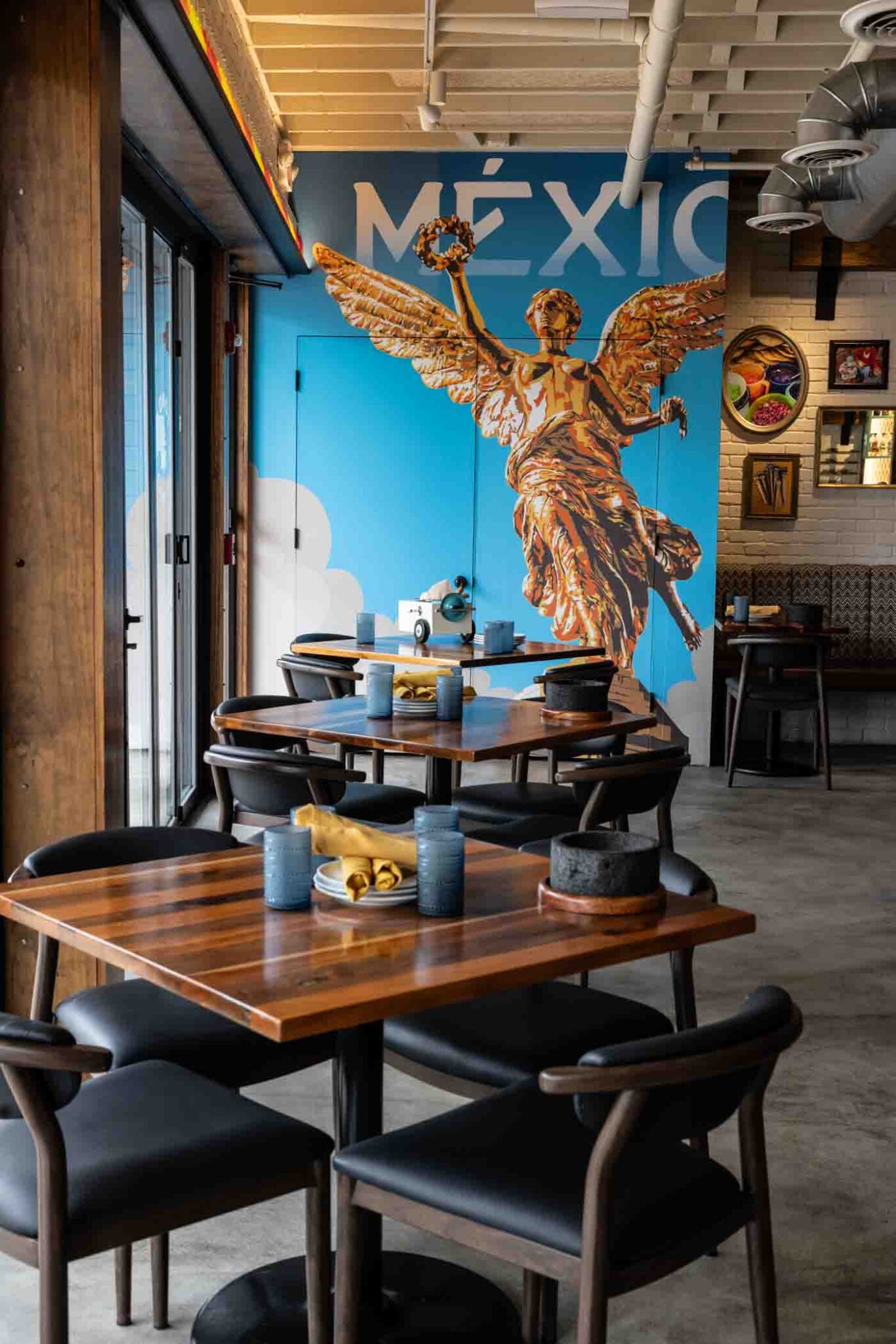
In short, this place glitters like the interior of a jewelry box.
I didn’t see my new friend coming, so I was momentarily taken aback by his arrival. I stammered my way through my reply, answering his question with a question: “Which dish are you asking about?” I asked.
“That one,” he said, pointing at my Veracruzstyle salmon, one of chef Juan Luis González’s signature offerings. His confusion was understandable. From afar, my dinner could have easily been confused for a platter of Sicilian swordfish puttanesca or bacalao a la Vizcaína from Spain. Veracruz-style salmon tends to be dressed simply—olives, onions, and tomatoes spooned over the top as if they were merely an accent flavor or a colorful garnish.
Not here.
González, who possesses an enviable talent for whipping up sauces that look rich and chunky but taste silky and multidimensional, uses sun-dried tomatoes and pickled jalapeños as the backbone of his Veracruz preparation. So what is often a simple study in acidity and garlic becomes subtly sweet. Everything we love about salmon—the caramelized crust, the oily richness, the kiss of sea salt—marries beautifully with the surrounding sauce. And you’re left with a dish that tastes more like an homage to the region’s cool coastal breezes than its sun-scorched terroir.
After recommending the dish to my new friendly inquisitor, he sprang back to his table, relaying what he’d learned with the urgency of a man who’d just intercepted a secret transmission. That too struck me as an understandable reaction, as there is an abundance of things to fall in love with at Fonda de Paula.
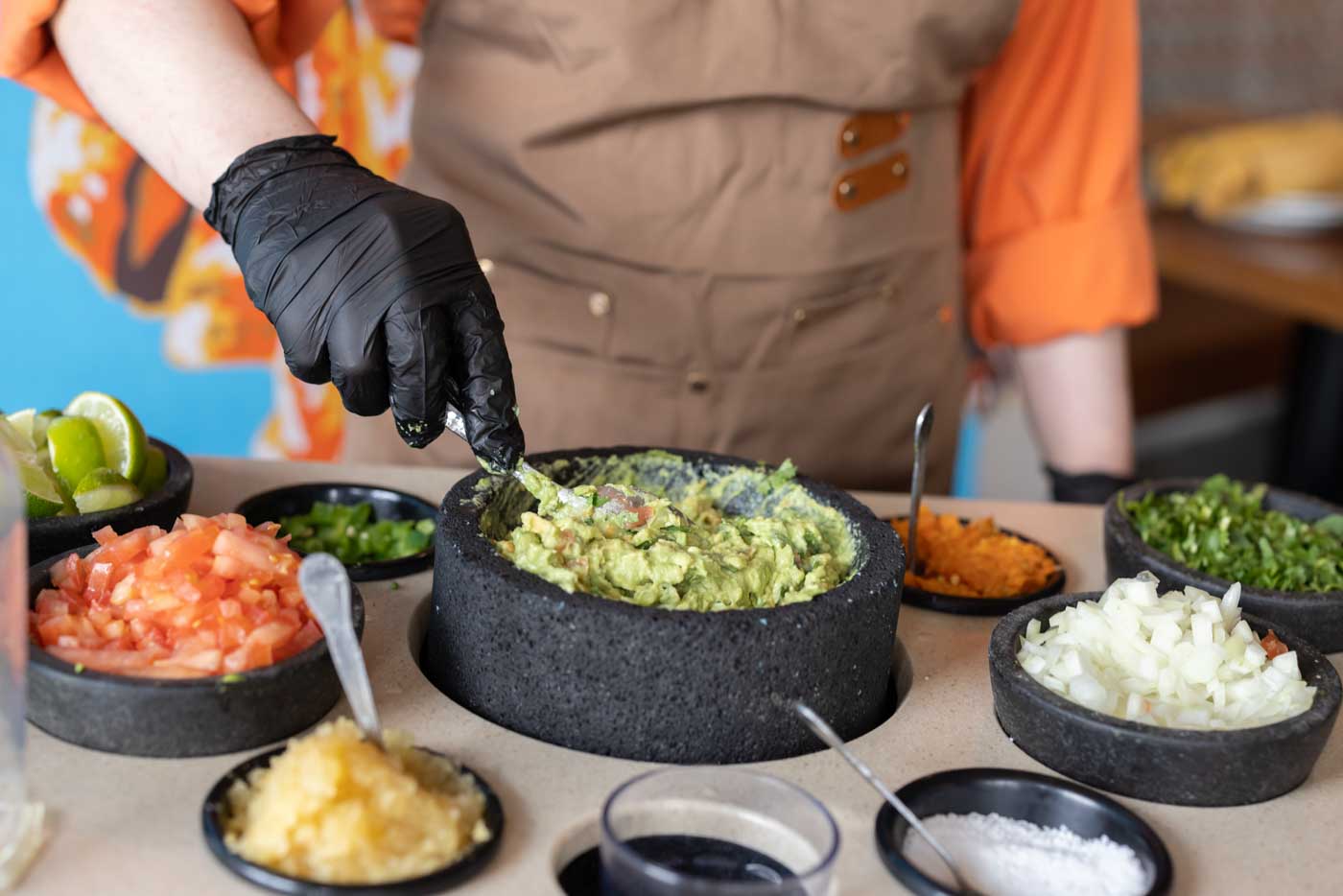
Chief among them are the roaming guacamole carts, which allow you to watch as native avocado-whisperers chunk, smash, sprinkle and cream your guac into existence in giant black molcajetes. (Each order is tailored to your spice preferences, meaning the finished product can be as spicy or garlicky as you desire.)
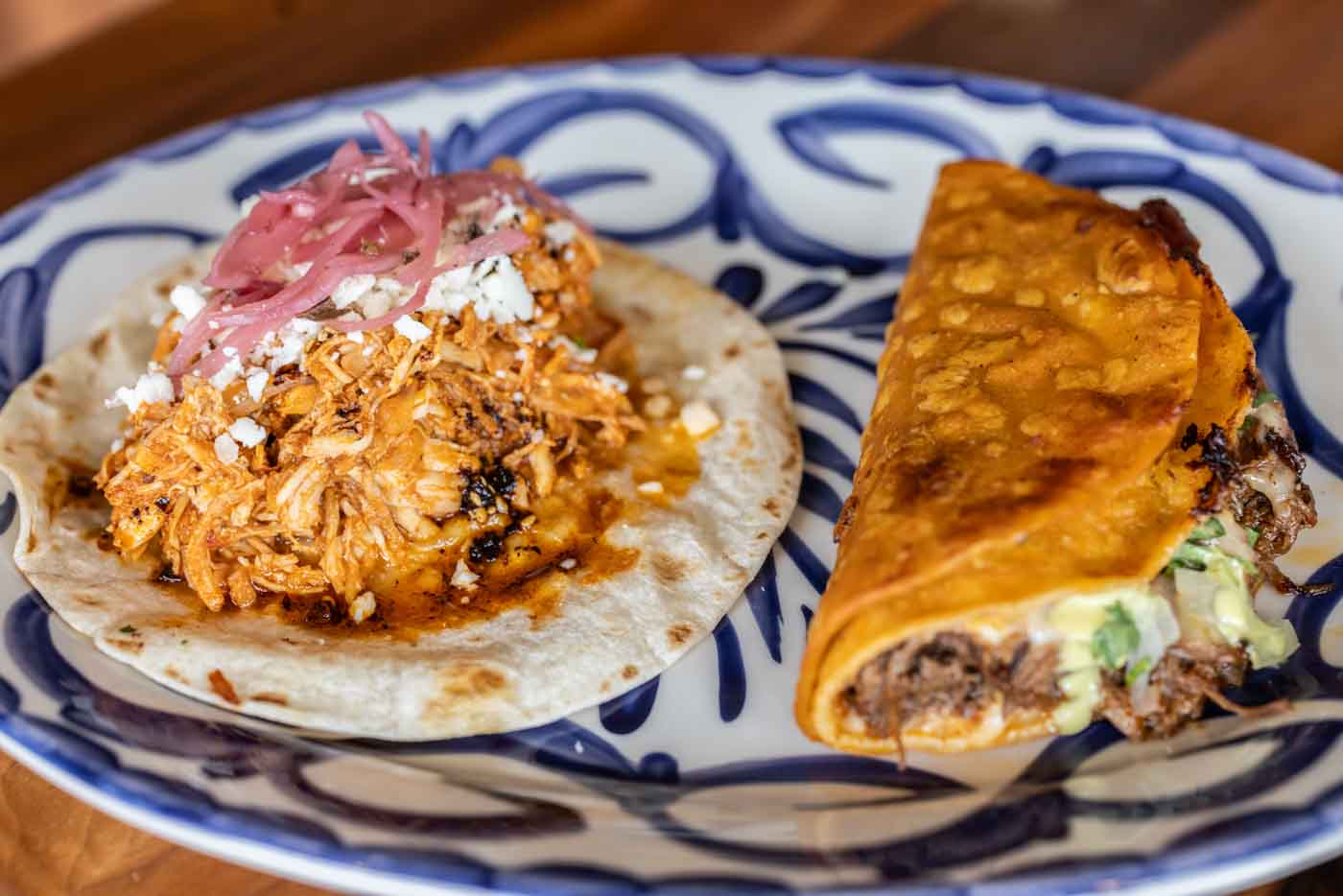
There are also taco offerings so low-key ambitious you could easily build an entire meal out of them and feel no shame whatsoever. These are not simple two-bite pedestrian tacos, which swap out protein but keep the onion-cilantro fixings intact. These tacos come dressed with an array of cremas, sauces and salsas that absolutely sing. They are layered, colorful and loud in the best way possible.
González ascribes to a philosophy that argues 80 percent of the glory of any dish can be found in the quality of its sauce. Sample some of González’s tacos and who could possibly argue with that math?
Consider his chicken mole verde tacos glazed with a sauce so verdantly green it appears to have been wrung straight from the ground of a local garden. Its core flavors are traditional enough: pumpkin seeds, jalapeños, sesame seeds. But González swaps out lettuce (as you’d often see in Mexico) for spinach, which explains the sauce’s electric color and clean, vegetal intensity. It slices through the chicken and pairs harmoniously with caramelized onions, green pumpkin seeds and poblano peppers.
Then there’s the gobernadora, added at the insistence of Daniella Carrera, the restaurant’s operations and marketing director. González wraps his shrimp in a molten blanket of chihuahua cheese, which forms a kind of cheesy taco within a taco. Then he finishes with two clever additions: a smoky poblano pepper sauce and a pickled onion habanero aioli, both of which are worthy of any taqueria along the Sinaloa coast.
So graze, if you will, on a few tacos, including the Baja shrimp (battered in a Negra Modelo shell with spicy coleslaw) or the campechano sirloin offering with chimichurri, jalapeño aioli and chorizo verde. But make sure to leave room for something from the entrée list, which González considers the beating heart of the menu.
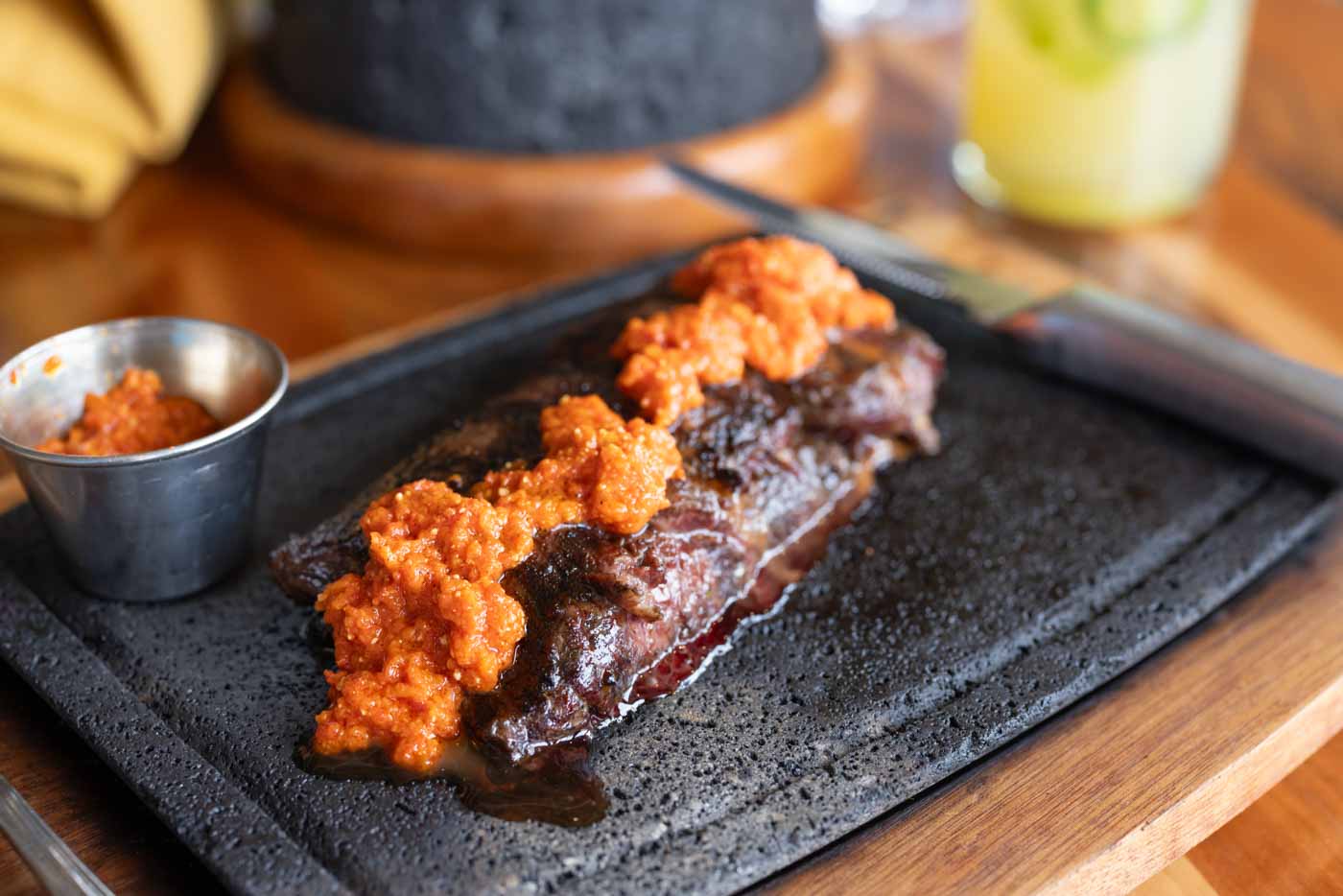
Your immaculately tender skirt steak will arrive sizzling on a hot lava stone to ensure it stays warm throughout your meal. González praises his fellow chef and restaurant compatriot Eddie Nahlawi, who is not only a close friend and business partner but a trusted idea generator in the kitchen. Drag a piece of that steak through the house red chimichurri and you’ll lose all track of time and space, perhaps even the conversation at your own table. The bowl of camarones al mojo is a similarly elevated entrée made with a blend of black garlic and julienned chile guajillo, which adds complexity and umami notes to what is usually a fairly straightforward shrimp preparation.
To understand what González is trying to achieve here, you have to understand the life-altering impact that Paula had on his life. For one glorious year, when González was 7 or 8 years old, he moved in with his grandmother and quickly became her unofficial sous chef.
Most days, Paula would shower him with love by cooking. ¡Coma!, ¡Vamos a comer!, ¡Comamos! Every single day of the week, she prepared tamales, tacos and moles in what felt to González like an infinite and magical procession of edible joy. He ate everything that was placed in front of him—all sweetness, endless surprises and overwhelming abundance. Sometimes abuela Paula cooked for two people, sometimes for eight, sometimes for 50. When the guest list swelled, she asked González to help her cut, sprinkle and simmer her dishes to completion. Which is, of course, how González fell deeply in love with food, not only with recipes from Paula’s native Michoacán but also the richly diverse and ever-evolving cuisine of her adopted Mexico City.
You could argue that he’s been chasing those feelings of familial love ever since.
Wherever he’s worked as an executive chef, he’s carved out a section of the menu to honor Paula. It started at Fuego in Arlington Heights, then continued at various Mago Grill and Cantina locations in the suburbs.
But recently, Nahlawi and González saw an opportunity to return to Downers Grove. It felt like the completion of a full-circle journey, given that this is where González’s career started more than 25 years earlier. Initially, he’d worked as a dishwasher before trading his washcloth for chef’s whites, assuming kitchen duties at various local restaurants in the area. Given the chance to build something from scratch in his old neighborhood, González couldn’t resist. The concept didn’t take long to materialize: a fonda (all-day eatery), just like the one his abuela ran in Mexico City in the 1960s.
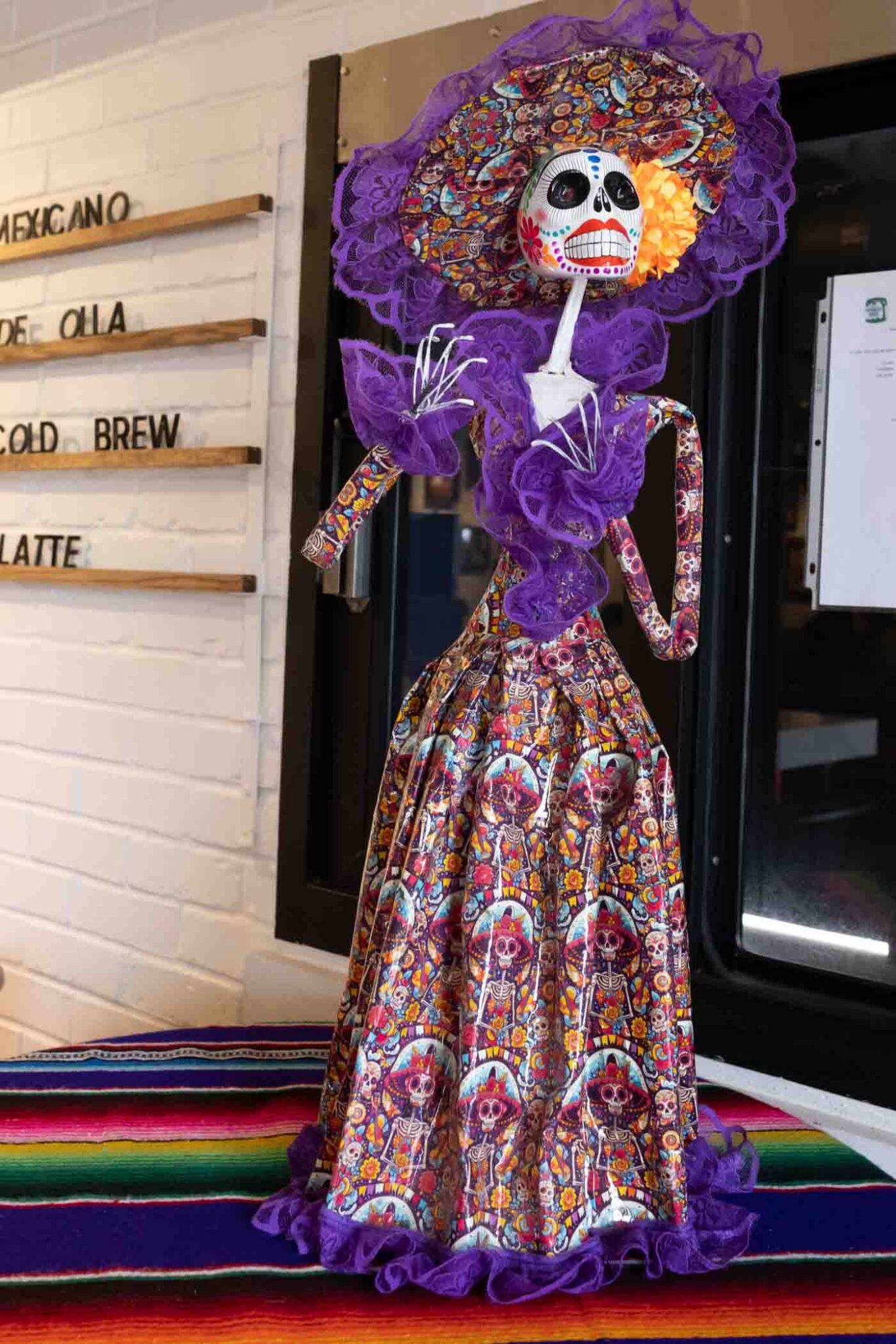
That’s why the space feels like a bright and shiny devotional to Mexico City. It includes a large photographic mural of the Angel de la Independencia statue. Its dining room is crowded with guacamole and churro carts—the latter a mini version that gets parked atop your table—which recalls the street vendors and taxis that are staples in Mexico City. And then, of course, there are the framed photographs—more than 50 of them—that were meant to mimic the busy walls in Paula’s own living room.
“Everything at this restaurant,” González says, “was inspired in some way by Paula.”
On a quiet night, you might see chef González slip out of his kitchen and stand by the bar. He’ll likely be dressed in a gray chef’s coat, arms crossed, watching his guests enjoy dishes that are part grandma and part grandson.
A few days after our meal, I called him and asked about what seemed to be an intentional omission. His answer is what you’d expect from a man who named his dream project after someone else. This restaurant is not my restaurant, he said. It belongs to everyone who works here, the kitchen staff, the bartenders, the waitstaff. Everyone.
And it belongs too, one could argue, to a few people who will never set foot inside the space: people who remain with him—soul, spirit and craft—in a professional kitchen that somehow feels both intensely close to his heart yet borne from a time and place that’s very far away and half a world away.
Fonda de Paula, 1012 Curtiss Street, Downers Grove, 630-866-8383, fondadepaula.com.