Features | Dec. 2025
ZERO TO 30 with SMASHING SPEED
By Joe Rosenthal
PORTRAIT PHOTOGRAPHY BY JOSEPH CULTICE
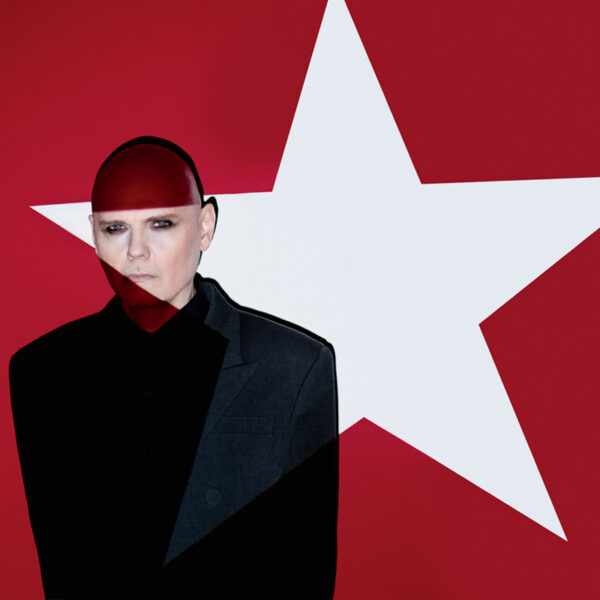
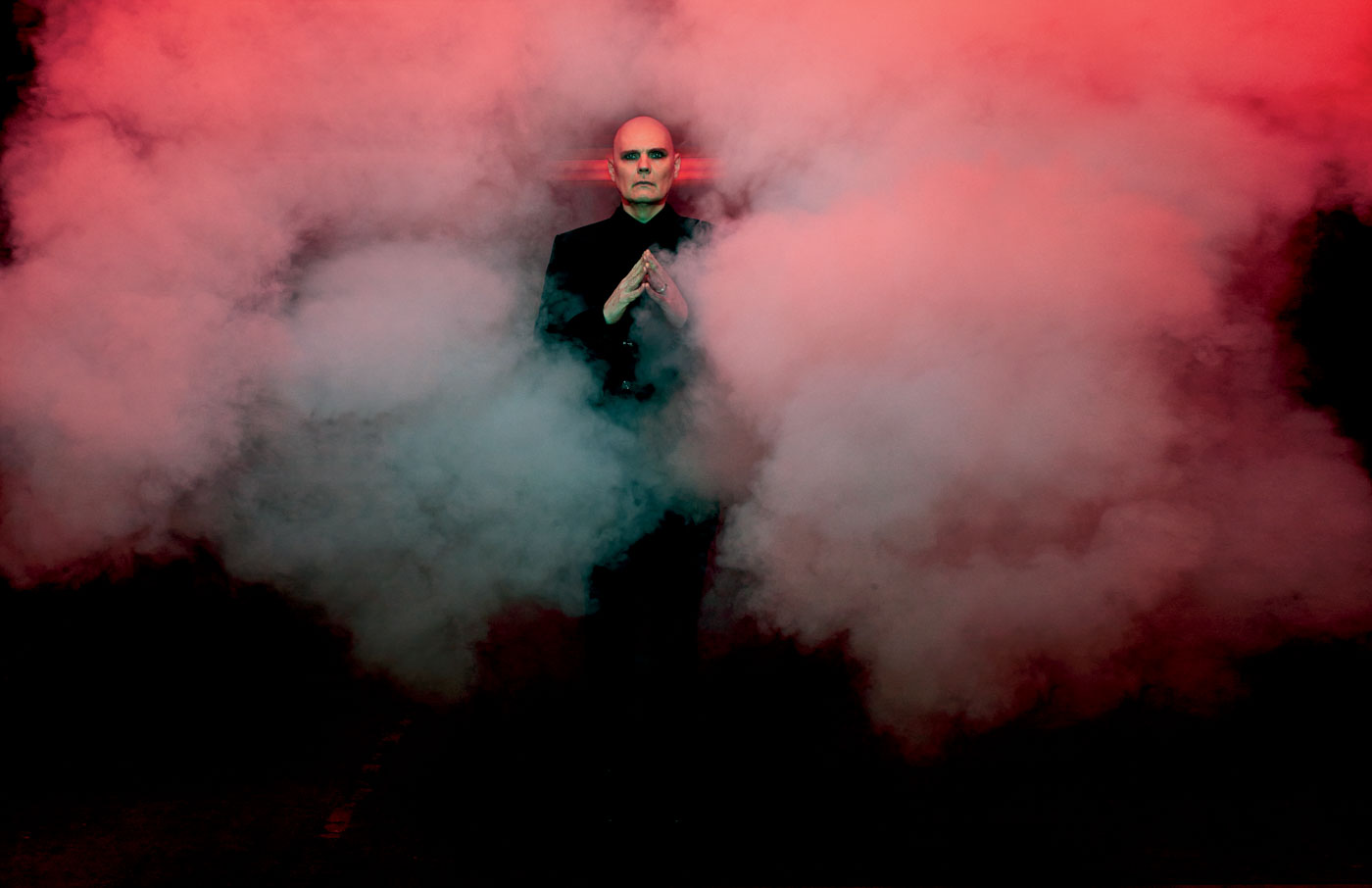
The Smashing Pumpkins’ lead singer Billy Corgan

JWC Media
a luxury lifestyle website that delivers a colorful and passionate telling of neighboring events, fashion, beauty, finance, and the pursuit of leisure.
By Joe Rosenthal
PORTRAIT PHOTOGRAPHY BY JOSEPH CULTICE
The Smashing Pumpkins’ lead singer Billy Corgan
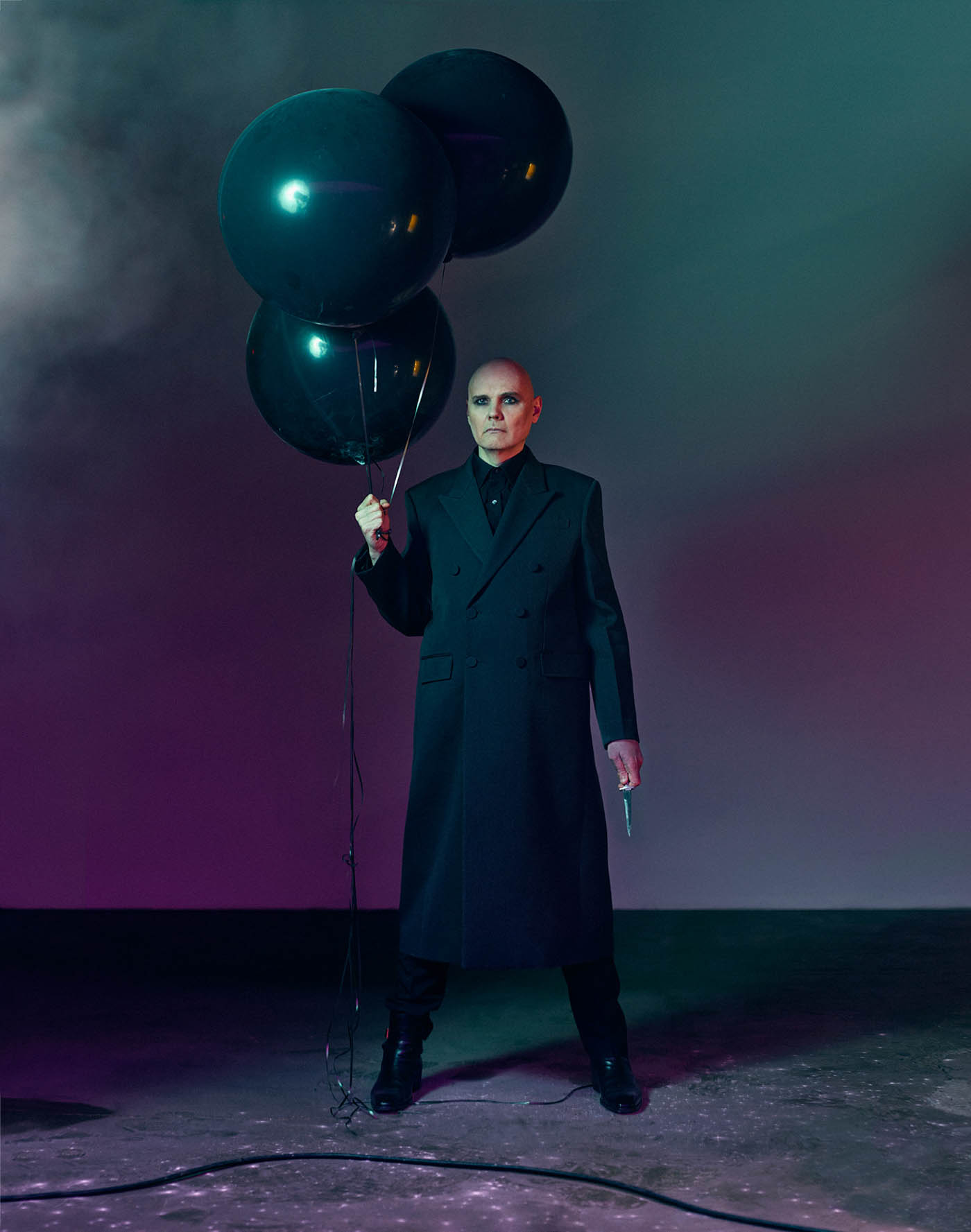
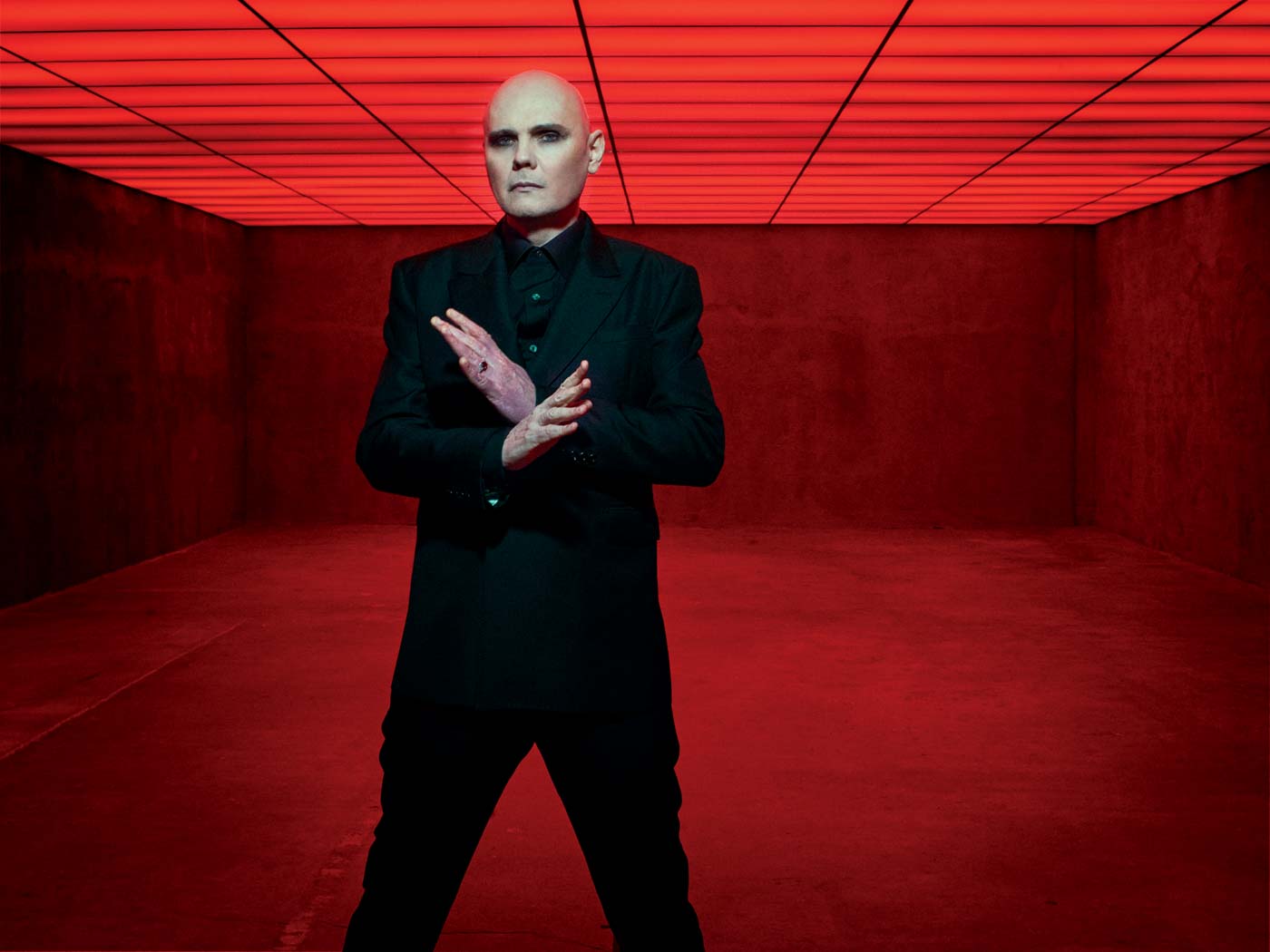
When attempting to measure the greatness of a band, many metrics can be applied: chart positions held; number of hit singles; total albums sold; concert halls filled. But possibly the truest measure is a band’s longevity. The longer and more loudly their music resonates with generations of listeners, the greater the band. Using this standard, the Smashing Pumpkins have cemented their place in the pantheon of rock bands.
This year marks the 30th anniversary of their classic double album Mellon Collie and the Infinite Sadness, and the band is in the midst of a renaissance. A 13th studio album, Aghori Mhori Mei, was released to critical acclaim; the “Rock Invasion 2025” tour spanned Asia and, for the first time, the Middle East; and in November, a rock opera featuring orchestral interpretations of Mellon Collie songs was staged by Chicago’s Lyric Opera. In August, Smashing Pumpkins’ lead singer Billy Corgan underscored his cross-generational appeal when his surprise appearance at My Chemical Romance’s sold-out Soldier Field concert was met with rapturous applause—evidence of the group’s impact on legions of younger bands and fanbases ranging from Gen X to Gen Y to Gen Z.
When Mellon Collie and the Infinite Sadness was released on October 23, 1995, it was, of course, a very different world. Bill Clinton was president, Friends was a new TV show, and the country was still reeling from the Oklahoma City bombing the spring before. In Chicago, Richard M. Daley was mayor, a summer heat wave had killed more than 700 people, and demolition was starting at Cabrini Green. Michael Jordan had returned to the Bulls in March, the Blackhawks had not won a Stanley Cup since 1961, the White Sox were a decade away from their next World Series victory, and the Cubs were still struggling with the Curse of the Billy Goat. The music industry was on the cusp of massive disruption (MP3 was entering the lexicon), and grunge was in decline after the suicide of Kurt Cobain, while pop-punk and Brit Pop were emerging, and the hip-hop and electronic music scenes surging.
It was into this environment that Corgan made his bold gamble with Mellon Collie. He wanted to make his version of Pink Floyd’s The Wall or The Beatles’ White Album—a mythic, multi-album creative statement with darker undertones that avoid “repeating any formulas.” The band was coming off the massive success of Siamese Dream, and, as one might expect, the record label thought the move was risky at best and career suicide at worst.
“I had run my mouth and said that we were gonna do a double album,” Corgan recalls, “which the record company at the time was mortally against. The message was run up through the corporate structure, and I started getting tremendous pressure to back off the idea.”
There were concerns about how to market the record, the quality of the songs, and the historical precedent of double albums selling less than single records. And Corgan laughs, he “never thought through the math,” because Mellon Collie was actually more like a triple album with 28 songs and a running time of over two hours.
In the end, though, Corgan had the political capital to pull it off, and Mellon Collie was a smash success, both critically and commercially. It debuted at No. 1, selling more than 10 million copies in the U.S. and garnering six Grammy nominations and two wins. Rolling Stone gave the album 4 out of 5 stars and placed it on its “500 Greatest Albums of All Time” list. Ferocious tracks like “Zero,” “Muzzle,” and “Bullet with Butterfly Wings” sat alongside pop gems like “1979” and “Tonight, Tonight” and beautiful ballads like “Thirty-Three,” “Stumbleine,” and the ethereal “Cupid De Locke.” It’s a sweeping, grandiose tapestry of blistering guitar, harps, and strings, with atmospheric washes of layered sound. Looking back on it, Corgan is filled with a combination of pride, gratitude, and surprise.
“My personal life was kind of falling apart [at the time], and I’d made this momentous musical decision that we were gonna, you know, jump into the fire with both feet. Sink or swim,” he recalls. “So, it’s easy to talk about now because it worked. But at the time, it was incredibly stressful. We ended up working on the album a total of eight months from start to finish.”
While he was aware of the magnitude of what he was attempting and the pressures all around him, Corgan was hyper-focused. “Maybe it’s a personality defect,” he says, “but when I’m on a mission, you kind of can’t take me off it. I can’t say my delusion is why it worked out, but my delusion is what kept me on course.”
Given its origin story and global acclaim, it’s not entirely surprising that the Lyric Opera of Chicago would want to take a crack at interpreting the epic work. While the sonic qualities that made the band famous—the crushing onslaught of distorted guitars and emotive vocals often screamed with fury—aren’t exactly found in refined symphony halls, Corgan is a musician’s musician. He did all the string arrangements on the original album, and his wicked guitar assault always masked complex arrangements and delicate melodies.
When he speaks of the Lyric’s presentation, his admiration is palpable. “[Conductor] James Lowe was amazing,” Corgan says. “He took every note I’ve had and really translated it beautifully. There’s some stuff where I was like, ‘can we make this more Gershwin-like—a little bit more American in Paris vibe here’—and he’s done a beautiful job of translating my songs into something that feels fresh and unique. It’s almost like a complete reinvestment in the architecture of the songs. It was a really beautiful and highly emotional experience for me to stand on that stage.”
It’s the kind of experience that inherently begs the question: what’s next for the Smashing Pumpkins? Three decades after Mellon Collie exploded onto the world stage, Corgan and the band show no signs of slowing down. And with the wind at their backs, why would they? In fact, Corgan has seen a resurgence in interest in live rock music globally, and he’s energized by the passion he sees in young fans out on the road.
“There’s a youth movement going on where they want guitar-based music, and they don’t want it in a sentimental way,” he says. For the entire year, he says, the majority of his audiences have been under 25. Reflecting on the recent Bahrain show, he says that “outside of a song like ‘Bullet with Butterfly Wings,’ their biggest response was when we played total raw power rock. They couldn’t get enough of that.” Asked about the reason for the youthful turn, he doesn’t hesitate with his reply, “I think it’s antidotal to the fake world that they’ve been handed.” As for the very real staying power of Mellon Collie, Corgan reasons that “the album has endured and has such strength because it was the best that the four of us were aligned—not just musically, but also personally. I think the records are really a testament to what the band was capable of when the band was aligned.”
Fortunately for fans of Billy Corgan and the Smashing Pumpkins, the stars were aligned as well, and the beauty of Mellon Collie has proved infinite indeed.
Visit Highland Park’s Madame ZuZu’s in person or go to madamezuzus.com for limited-edition Mellon Collie vinyl, box sets, and other exotic ephemera.
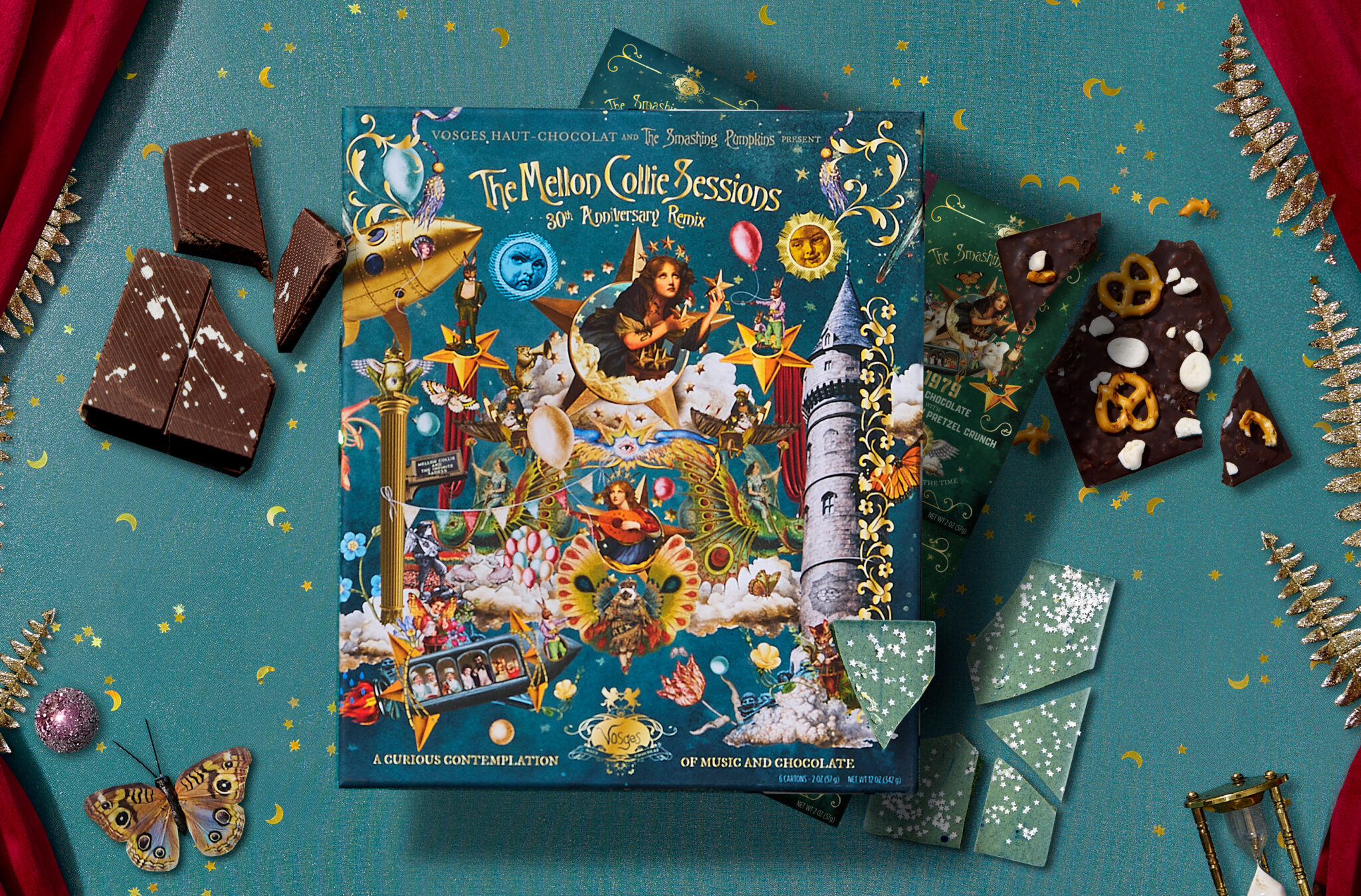
Two Chicago icons—the Smashing Pumpkins and Vosges Haut-Chocolat—have joined forces to celebrate the 30th anniversary of the band’s legendary album Mellon Collie and the Infinite Sadness with a limited-edition chocolate box set. Designed as a sensorial journey, the collection mirrors the emotional arc of the double album, inviting fans to “taste” lyrical allusions, celestial ingredients, and evocative textures. Each Mellon Collie Sessions box includes six bars (three flavors, two of each) and a one-of-a-kind poster. Flavors include “Zero,” a 62 percent dark chocolate bar steeped in Madame ZuZu’s Forbidden Forest Lapsang Souchong and kissed with smoky black and wild raspberries; “Tonight, Tonight,” a velvety vegan white chocolate bar infused with Electric Blue Matcha, spirulina, and lime; and “1979,” a 72 percent dark chocolate bar laced with pretzels, handmade vegan marshmallows, and rice crunch. Each bar features premium ingredients, including specialty teas from Madame ZuZu’s—the Highland Park café founded by Billy Corgan and Chloé Mendel in 2012—and is even infused with Smashing Pumpkins music as it cools for a final flourish. The box set is available at vosgeshautchocolate.com, at Vosges Chicago retail locations, and at Madame ZuZu’s Tea House in Highland Park.