First Class | Nov. 2026
SENSEI LĀNA’I, A FOUR SEASONS RESORT
By Megan Weisberg
PHOTOGRAPHY PROVIDED BY ROBB GORDON
Sensei Lana‘i, a Four Seasons Resort

JWC Media
a luxury lifestyle website that delivers a colorful and passionate telling of neighboring events, fashion, beauty, finance, and the pursuit of leisure.
By Megan Weisberg
PHOTOGRAPHY PROVIDED BY ROBB GORDON
Sensei Lana‘i, a Four Seasons Resort
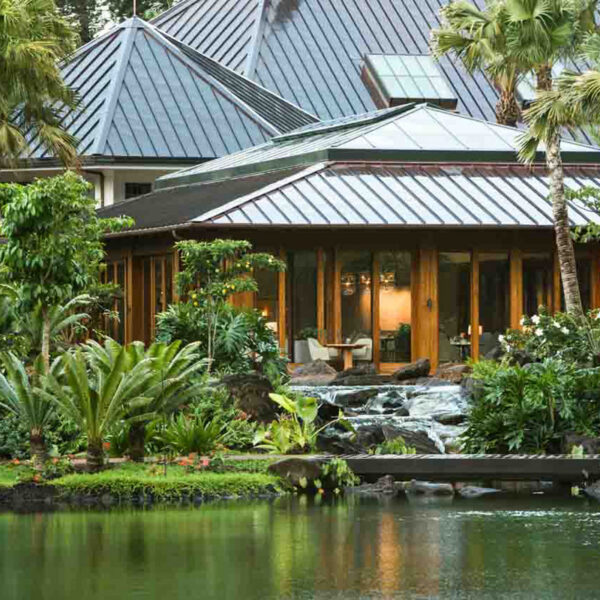
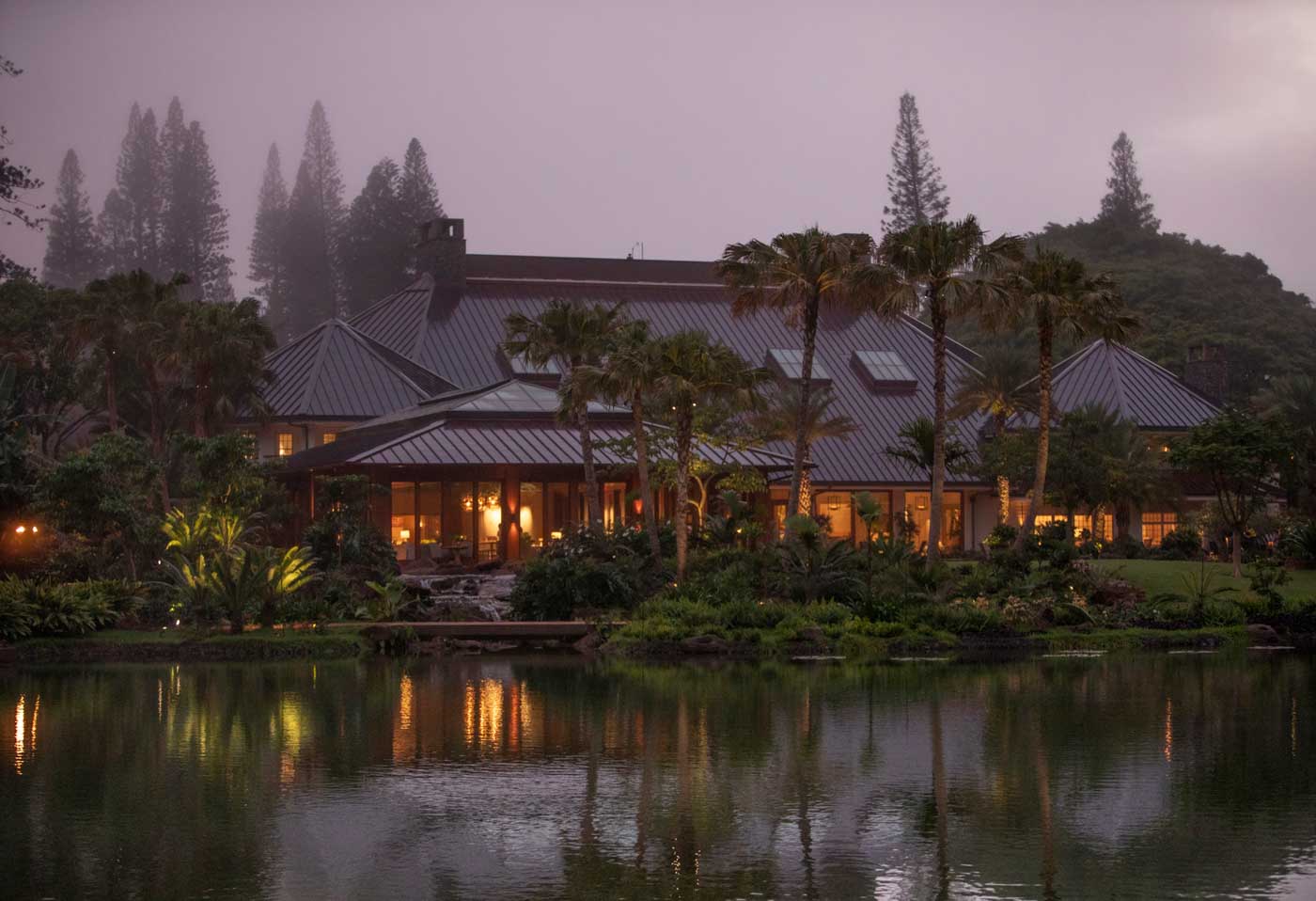
Hidden in the pine-covered uplands of Lana‘i, Sensei Lana‘i, a Four Seasons Resort is a different proposition from the typical Hawaiian resort. There is neither a beach outside the door nor a lively pool scene. Instead, the adults-focused Four Seasons wellness retreat pairs serious luxury with a highly personalized approach to longevity built around three pillars: movement, nourishment, and rest.
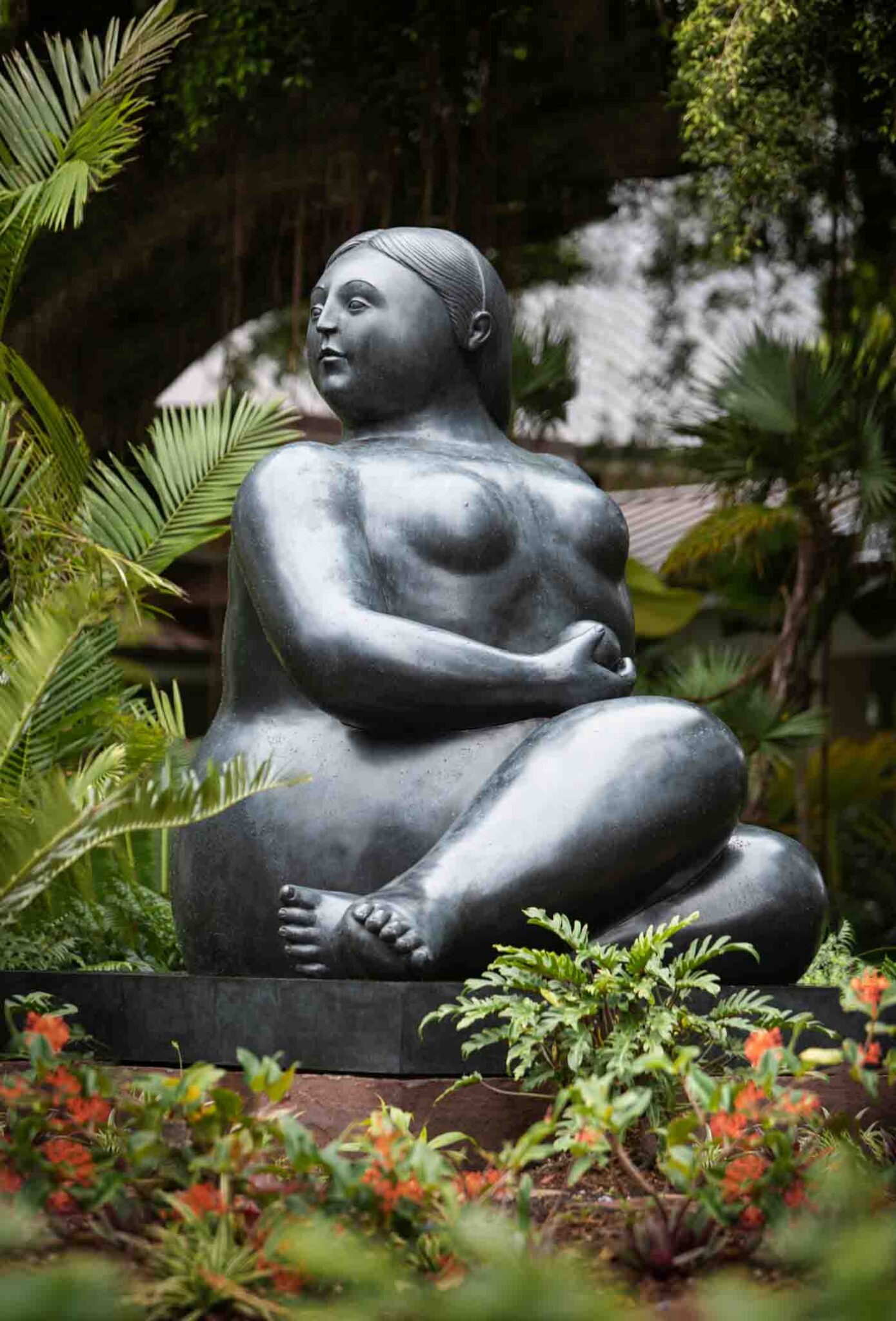
Long curious to find a wellness retreat grounded in science and technology without sacrificing a truly luxurious setting, I arrived at Sensei this past July to discover a place that manages to deliver both. Set in Ko‘ele, the resort feels intentionally removed from the rest of the world. Its low-slung architecture disappears into lush gardens, where winding paths lead past tropical flora, contemporary sculpture, ponds, and secluded soaking tubs tucked into the landscape.
Sensei was founded by Oracle co-founder Larry Ellison and physician and scientist Dr. David Agus, who set out to apply data-driven health knowledge and technology to preventive care and healthier lifestyle practices. In partnership with Four Seasons and chef Nobu Matsuhisa (of Nobu fame), that philosophy has evolved into a resort where wellness is not an amenity or add-on, but the organizing principle of the stay.
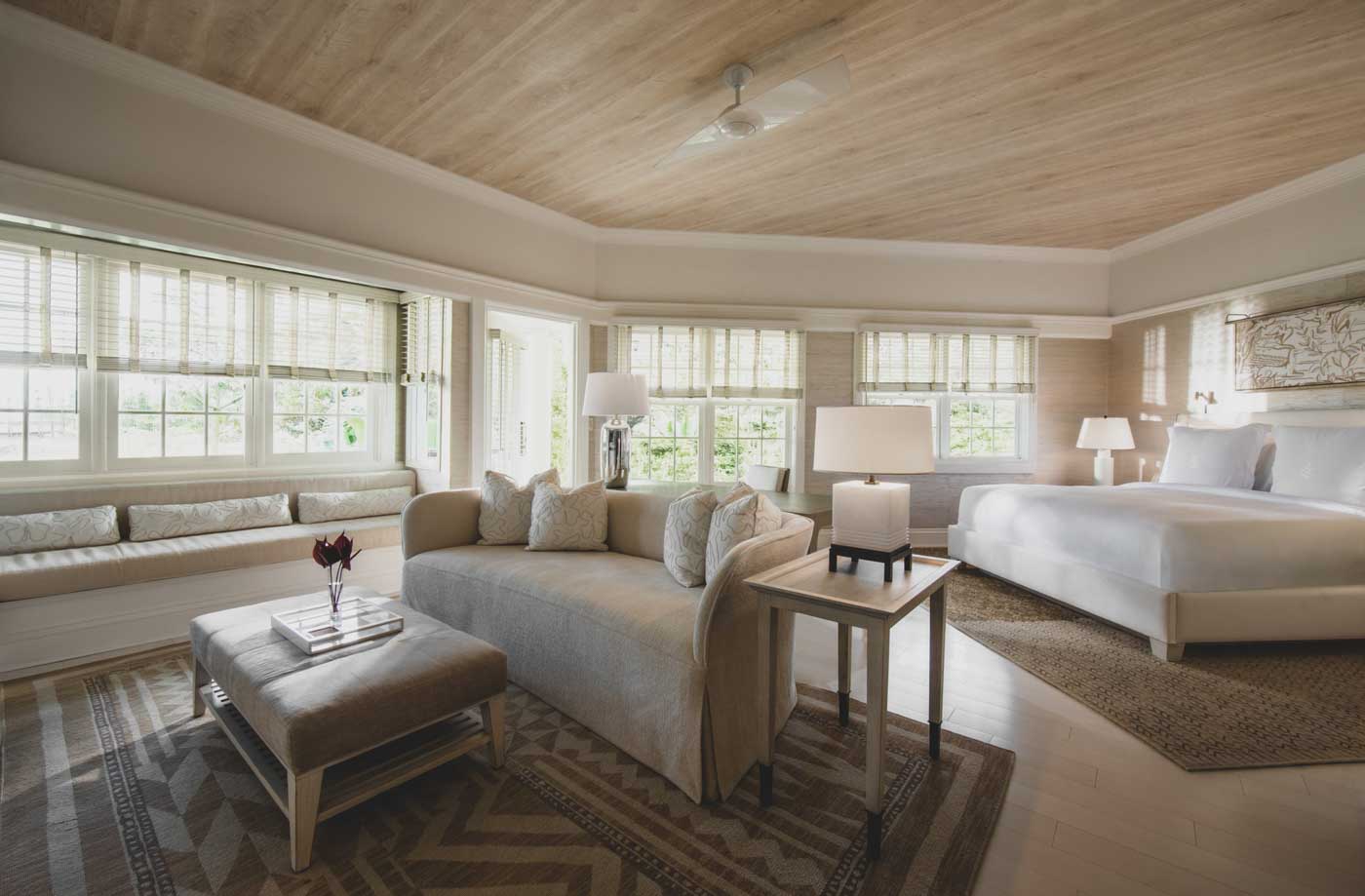
Getting there only adds to the sense of escape. From Honolulu, guests can connect to Lana‘i aboard Lana‘i Air; my 35-minute flight provided an easy transition from the bustle of travel to the quiet of the island. Walking through the doors of Sensei is itself calming. Meandering corridors connect the accommodations with the resort’s common spaces, while floor-to-ceiling windows and garden views keep the surrounding landscape continually in sight.
But the defining feature of Sensei is not its setting. It is the degree to which a stay can be tailored to the individual guest.
Before arriving, I reviewed Sensei’s menu of experiences, which ranges from fitness and functional movement assessments to nutrition, mindset, meditation, sleep, yoga, and other one-on-one sessions. The Sensei Way centers on movement, nourishment, and rest, with the goal of giving guests practical habits that can extend beyond their time on Lana‘i.
MOVEMENT
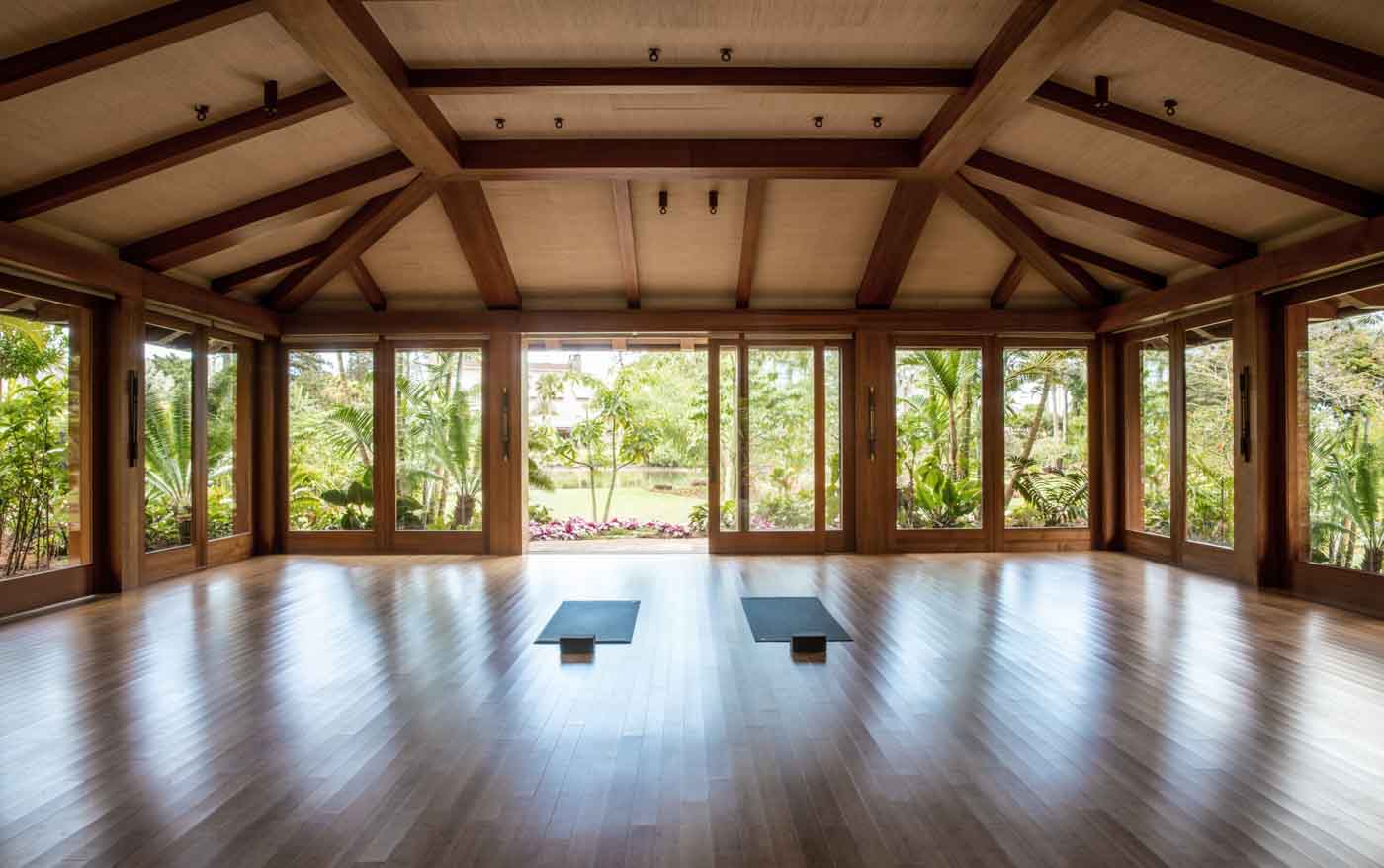
Movement at Sensei can be as structured or as organic as a guest desires. Even the fitness spaces feel unusually serene, with wood-paneled walls and enormous windows framed by greenery. A rotating schedule of group experiences includes fitness and yoga, while one-on-one sessions allow guests to delve more deeply into functional movement and other aspects of physical well-being.
Beyond the fitness spaces, Lana‘i itself provides plenty of reasons to move. Guests can hike, horseback ride through the uplands, play golf at the Jack Nicklaus-designed Manele Golf Course, sail along the coastline, snorkel, e-bike, or explore the island through cultural and outdoor excursions.
One morning, I hiked Koloiki Ridge, following a trail through Cook pine forest before reaching expansive views toward neighboring Moloka‘i and Maui. On another evening, a sunset sail shifted the perspective entirely, with drinks and appetizers served as the boat moved along Lana‘i’s coastline and we watched the water for dolphins and sea turtles.
NOURISHMENT
Nourishment, the second of Sensei’s three pillars, is woven just as deliberately into the experience. At Sensei by Nobu, a collaboration between chef Nobu Matsuhisa and Sensei co-founder Dr. David Agus, Sensei’s approach to nutrition meets the Japanese techniques and flavors for which Nobu is known. Fresh ingredients and an emphasis on balance co-exist with recognizable Nobu influences, reinforcing a larger point: wellness here is not presented as deprivation.
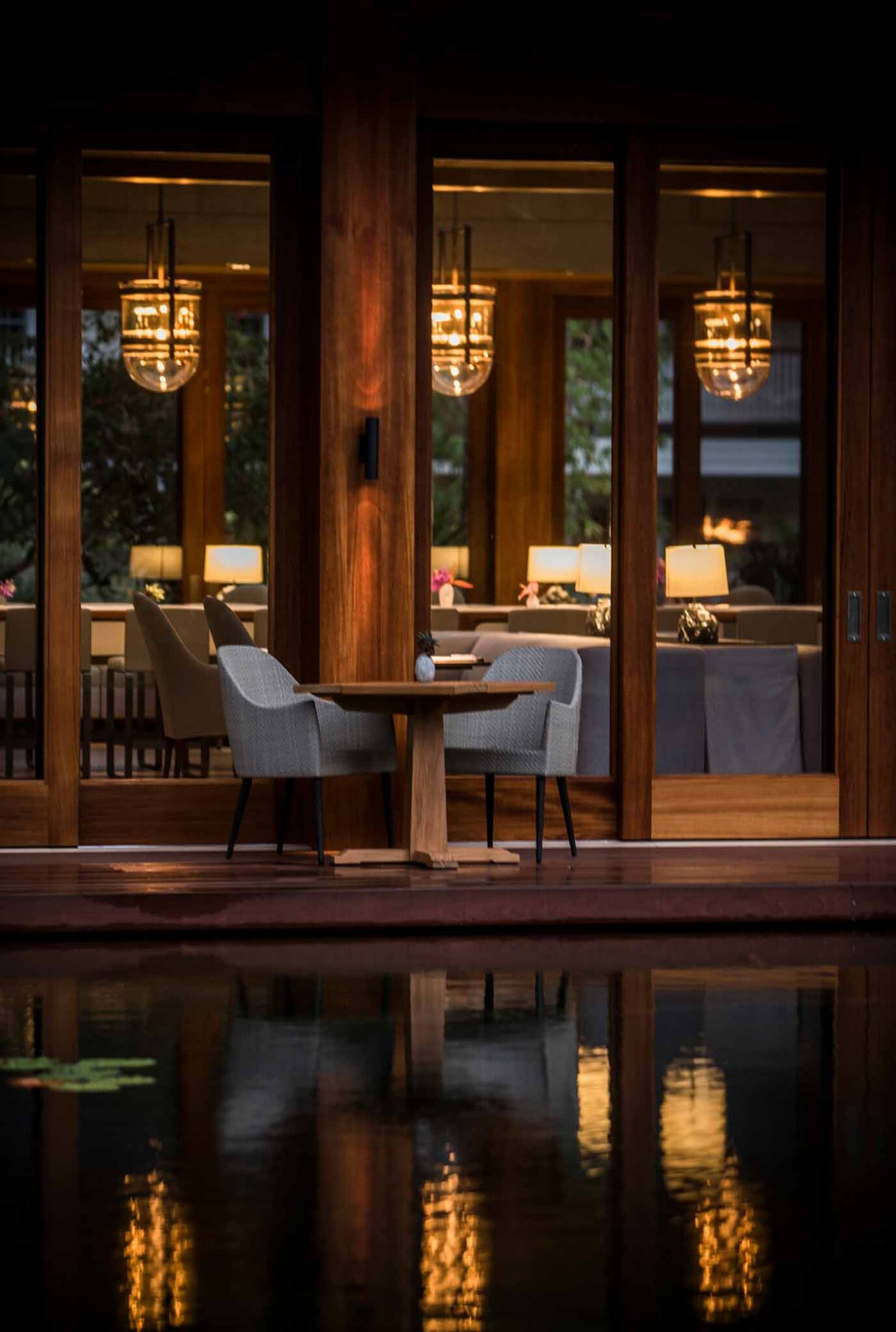
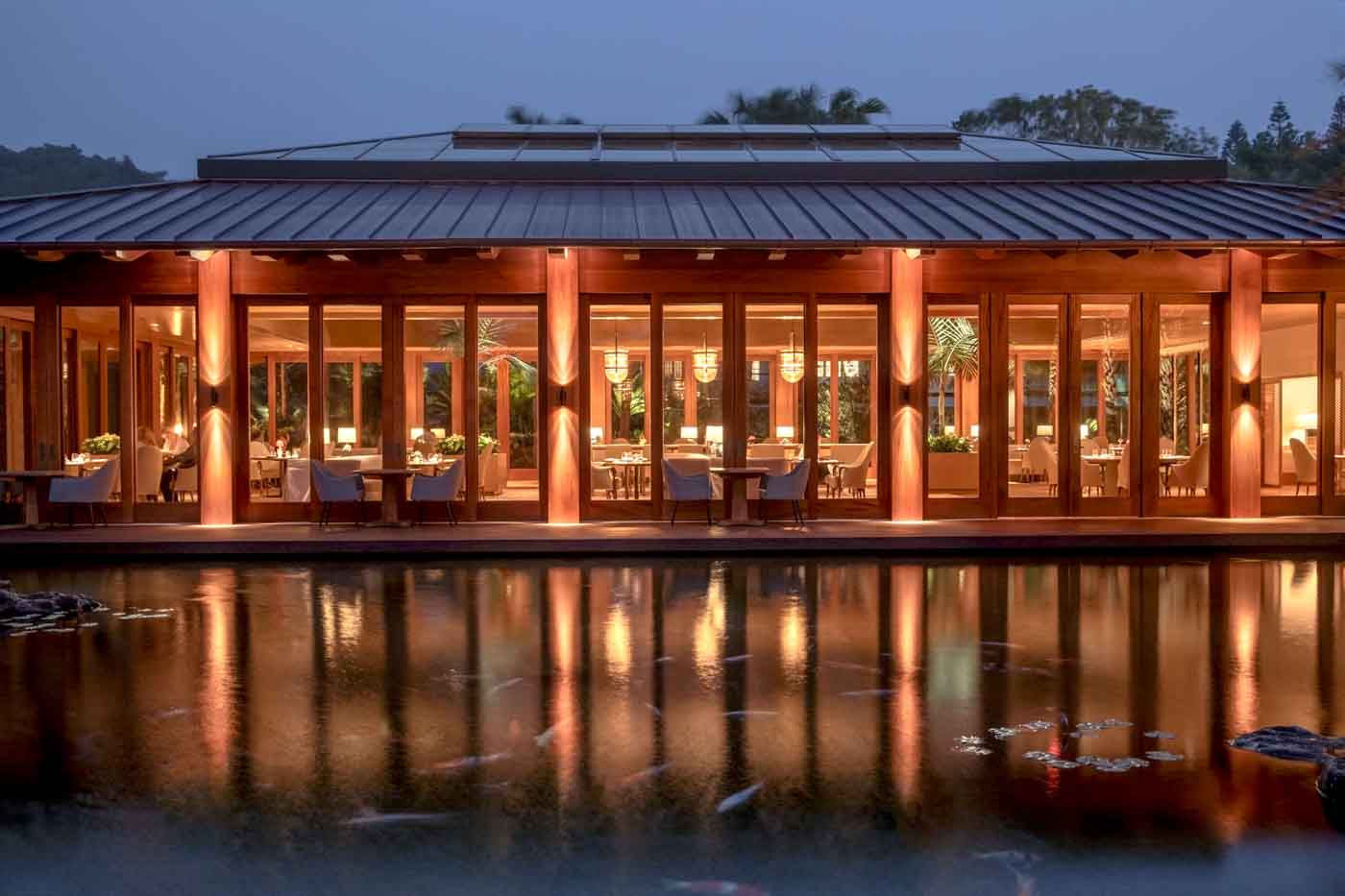
It was this pillar that initially interested me most. My extensive pre-arrival questionnaire had set the tone that a meaningful opportunity awaited, and I arrived particularly curious about the resort’s data-driven approach to nutrition.
My Sensei Guide had other ideas.
After talking through the structure and pace of my days, he suggested shifting my itinerary toward mindfulness and stress management. That willingness to depart from a guest’s preconceived wellness agenda is central to the Sensei experience: rather than simply assembling a menu of spa appointments and fitness classes, practitioners work across disciplines to personalize the stay.
And so, despite arriving focused on nourishment, it was Sensei’s third pillar—rest—that would ultimately define my experience.
REST
With my itinerary now shifted, I embarked upon a mindfulness journey.
During a Mindset 1:1 with Biomarkers session, heart-rate monitoring accompanied a series of breathing exercises designed to illustrate how my body responded as I moved into a parasympathetic, or restorative, state. The lesson was surprisingly simple: mindfulness did not have to mean carving out an intimidating block of time to meditate. Small pauses and moments of transition could matter, too.
That idea surfaced again during an almost two-hour private session with a mindfulness guide, whose background includes neuroscience. He challenged the assumption that meditation requires perfect stillness and silence. A few intentional moments between one task and the next, he explained, can be their own form of practice. As he says, “Grace is in the pace.”
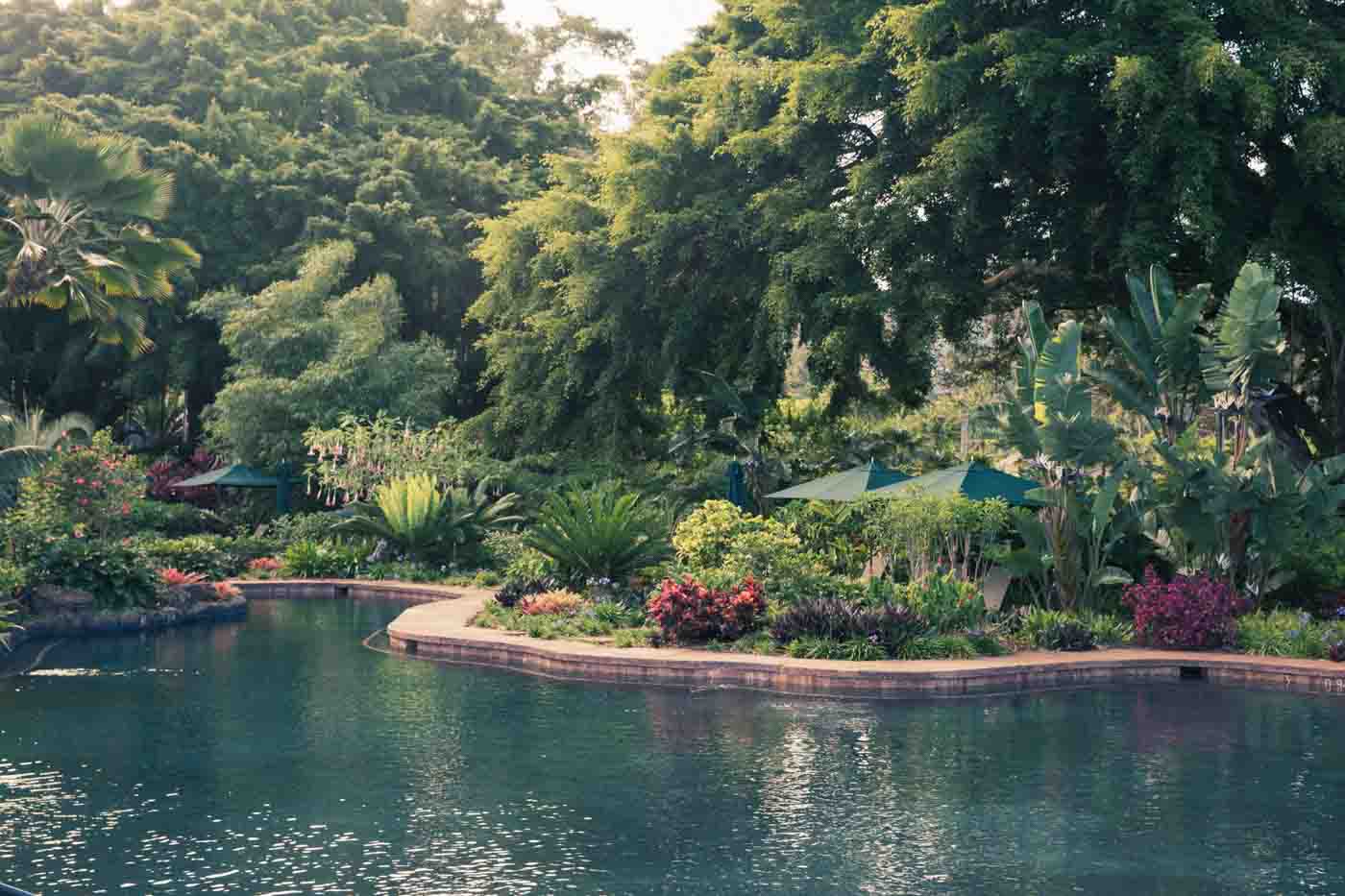
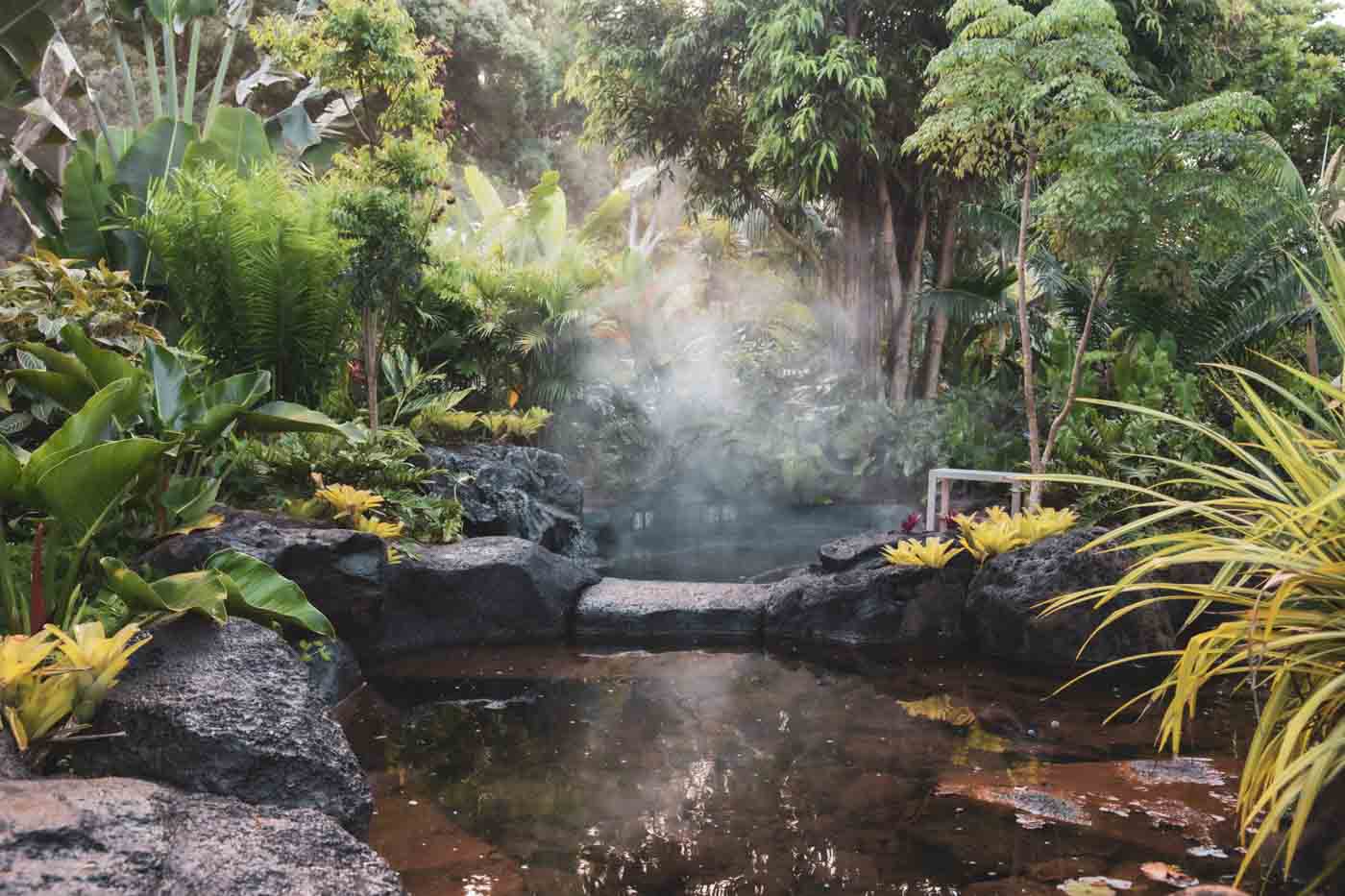
There is also plenty of space at Sensei to practice doing very little at all. The resort’s pool ebbs and flows through the gardens, offering a quiet place between sessions to read, swim, or simply absorb what has been discussed. Garden paths wander throughout the property, inviting guests to find, and submerge in, one of 10 heated soaking tubs created to resemble natural hot springs, each tucked into its own private garden setting. A rotating schedule of group experiences provides another way to explore the quieter side of the resort’s wellness philosophy, from meditation to deep relaxation sessions.
The spa takes the idea of rest—and privacy—considerably further. Ten freestanding spa hale (the Hawaiian word for home), each approximately 1,000 square feet, function almost as private wellness sanctuaries. Pairing Japanese-inspired oases of calm with modern technology, the spa experience includes Sensei-developed thermal body-mapping technology, providing practitioners with insightful data to help tailor treatments. Amenities include indoor and outdoor showers, infrared saunas, hot-stone tubs, private plunge pools, and relaxation areas. Guests receive private time in the hale in addition to their treatment, making the experience feel less like a conventional spa appointment and more like temporarily having an entire spa to oneself.
Sensei is certainly luxurious, but its most compelling offering may be harder to quantify. The data, technology, private spa hale, exceptional practitioners, and meticulously maintained gardens create the framework. What guests ultimately take from it is more individual.
I arrived wanting to learn more about nutrition. I left thinking instead about pace—and about how small changes in the way we move through our days might matter more than we realize.
For information about Sensei Lana‘i, a Four Seasons Resort, visit sensei.com/retreats/lanai.