Home | Oct. 2026
PICTURE PERFECT
By Roni Moore Neumann
WORDS BY THOMAS CONNORS
PHOTOGRAPHY BY HEATHER TALBERT
STYLING BY DARWIN FITZ

JWC Media
a luxury lifestyle website that delivers a colorful and passionate telling of neighboring events, fashion, beauty, finance, and the pursuit of leisure.
By Roni Moore Neumann
WORDS BY THOMAS CONNORS
PHOTOGRAPHY BY HEATHER TALBERT
STYLING BY DARWIN FITZ
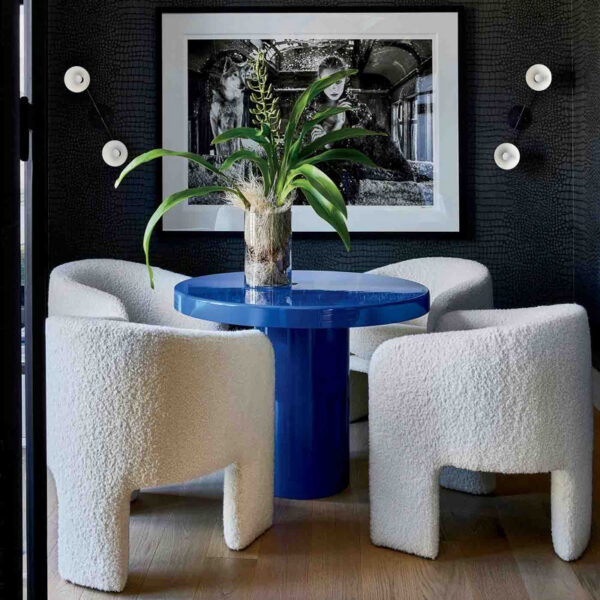
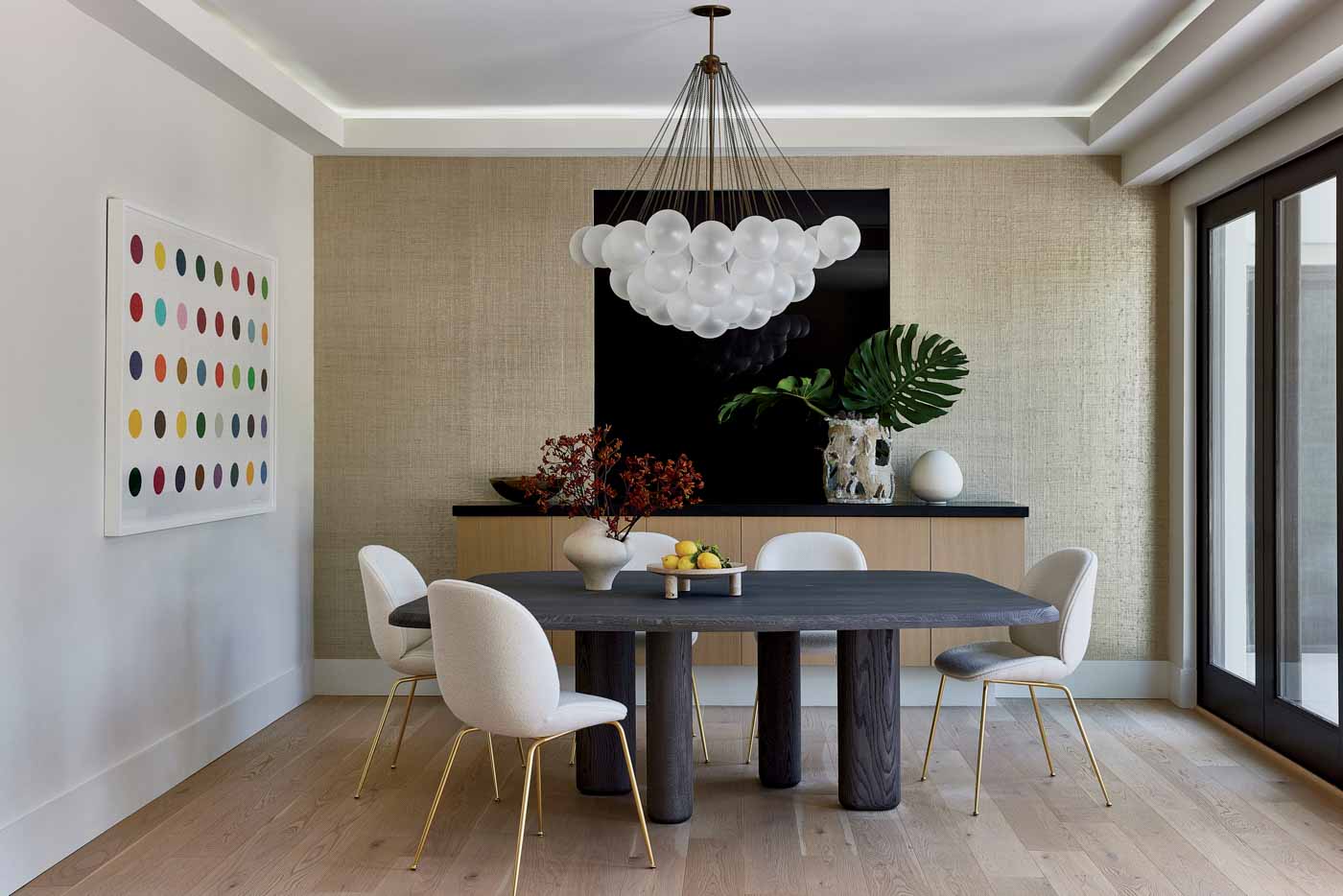
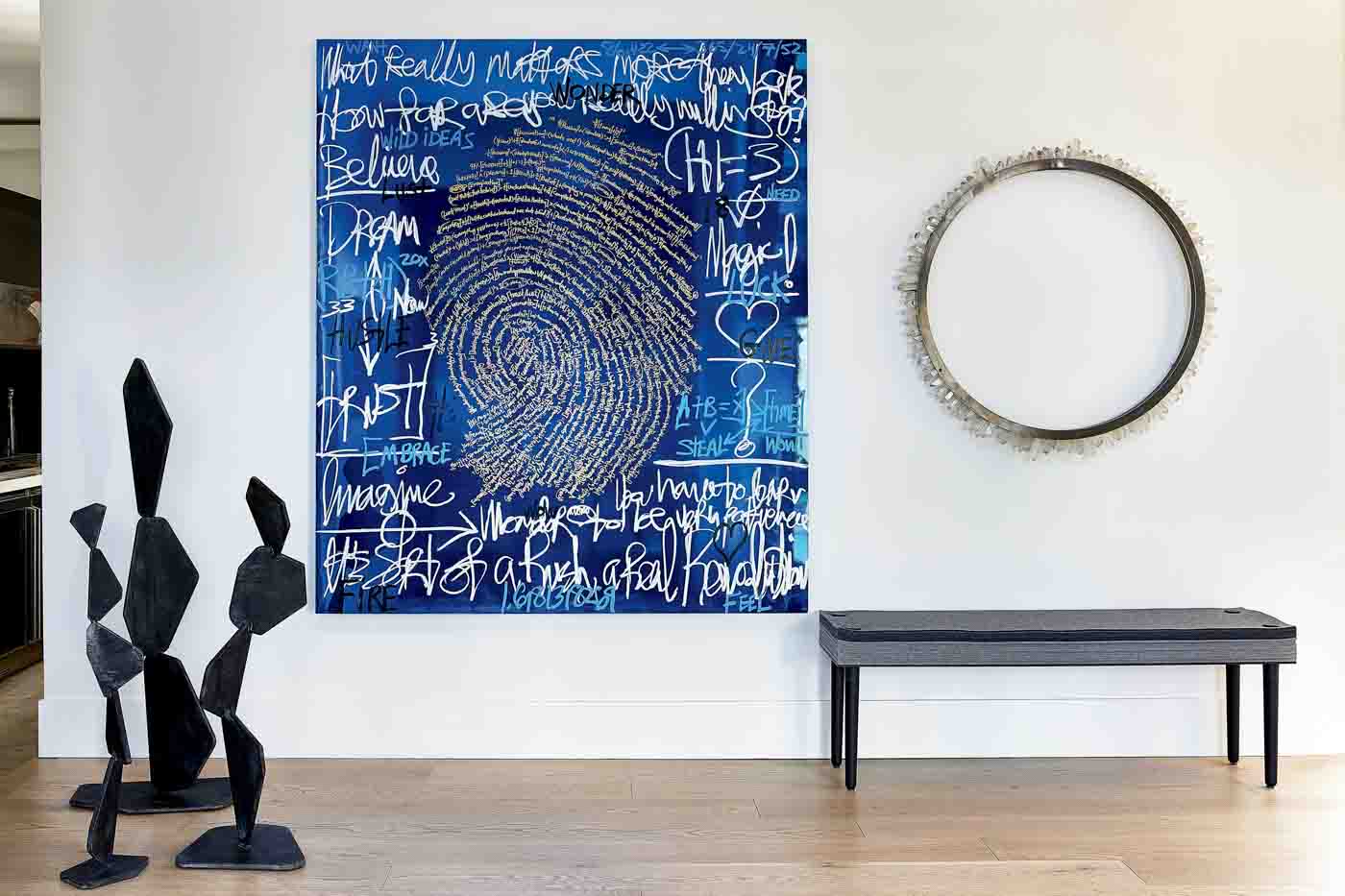
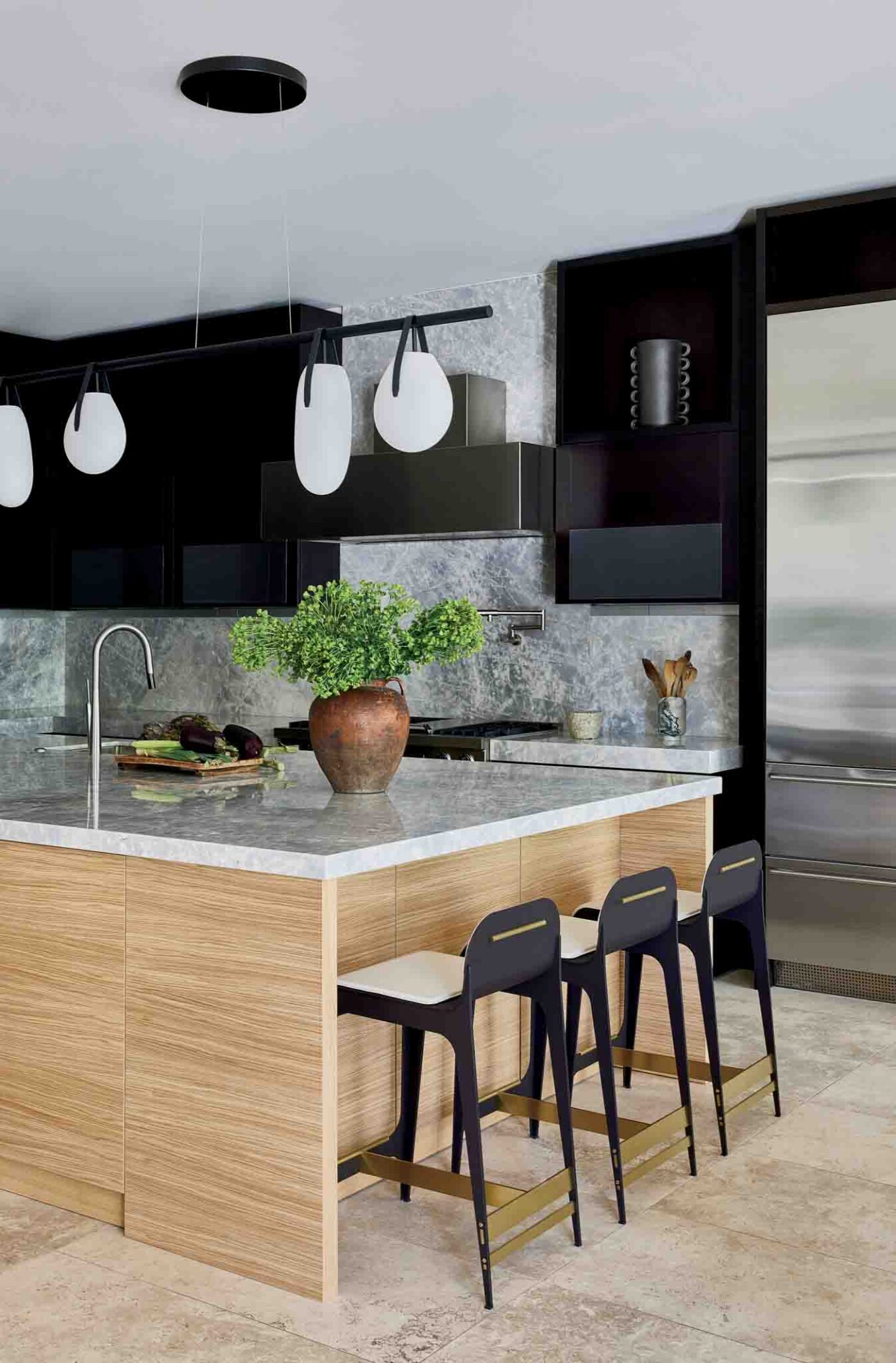
In interior design, it takes a special talent to place art and everyday life in a dynamic dialogue—each enlivening the other, and both integral to the experience of the home. Designer Deb Lund demonstrates this gift by composing spaces in which the homeowner’s beloved artworks animate their surroundings and, in turn, are given room to resonate. In a recent Highland Park project, Lund integrated a remarkable art collection with the home’s interiors, using the artwork to complement the architecture, furnishings, and materials while adding depth, personality, and surprise. The result… a home where art feels not simply displayed, but naturally part of everyday life.
“Exceptional art has the integrity to stand on its own while engaging with the architecture, materials, and furnishings around it,” Lund explains. “When those relationships are successful, the artwork elevates the interior, and the interior provides a thoughtful context in which the artwork can be fully experienced. In this home, the clients’ eclectic and highly refined collection fit beautifully within the European classic-contemporary aesthetic we created together.”
Lund begins by studying the home’s architecture and each wall’s proportions. Once a furniture plan is established, “I carefully consider sightlines, circulation, and how a room unfolds as you move through it,” she shares. “We revisit every artwork, considering how each piece contributes to the overall composition. Some pieces are intended to immediately draw you in, while others reveal themselves gradually.”
This project afforded Lund rewarding opportunities to put that approach into practice. “In the foyer, most people expect to see a mirror. Instead, we installed a sculptural circular rock crystal sconce that evokes a mirror’s presence. Adjacent to it is a large mixed-media artwork with a reflective surface that subtly captures and reflects light, creating the same sense of depth and luminosity of a mirror but in a much more unexpected way. In the family room, honeycomb-shaped modular vintage Gio Ponti tables can be rearranged into endless configurations, creating their own geometric work of art.”
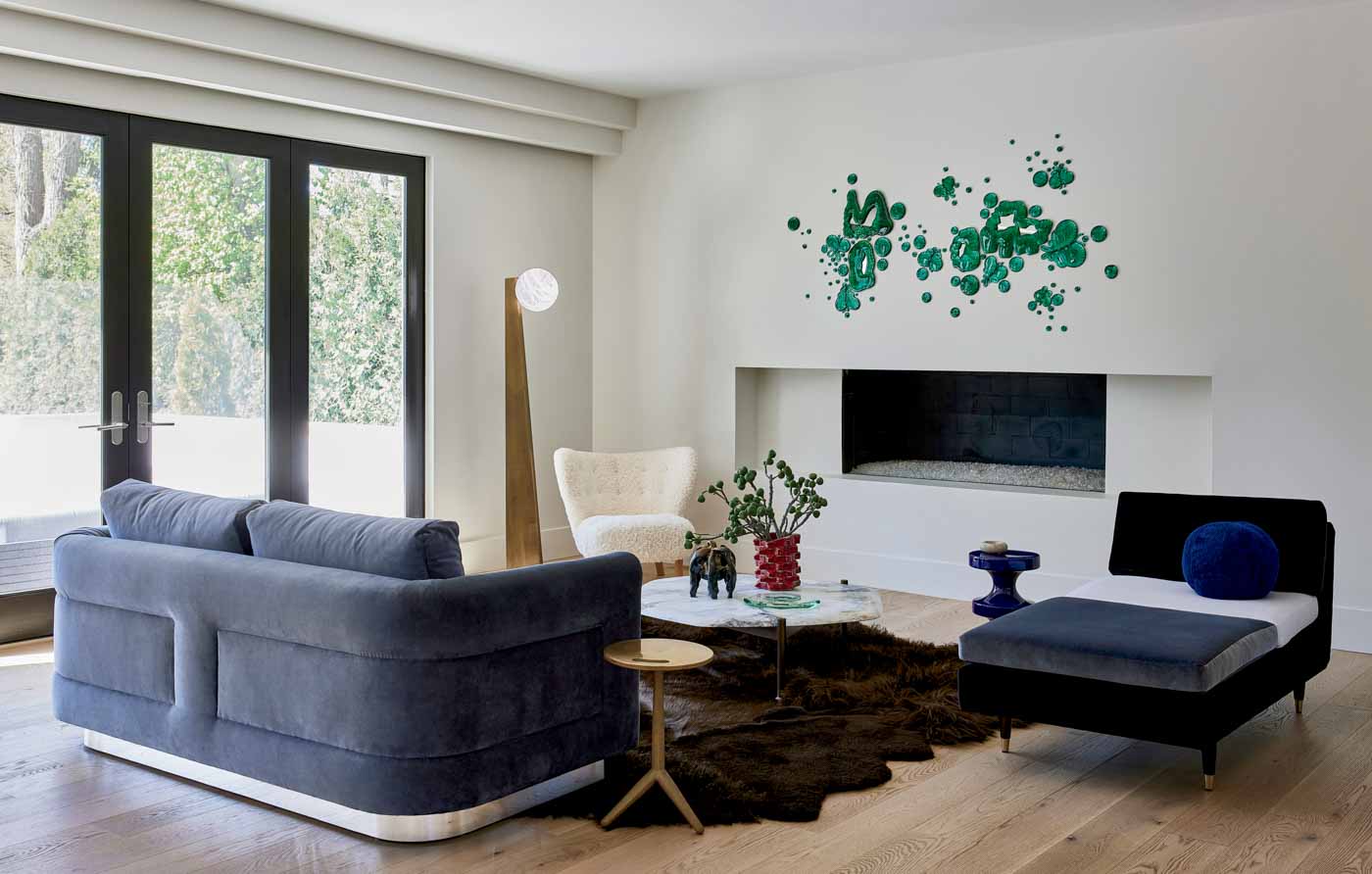
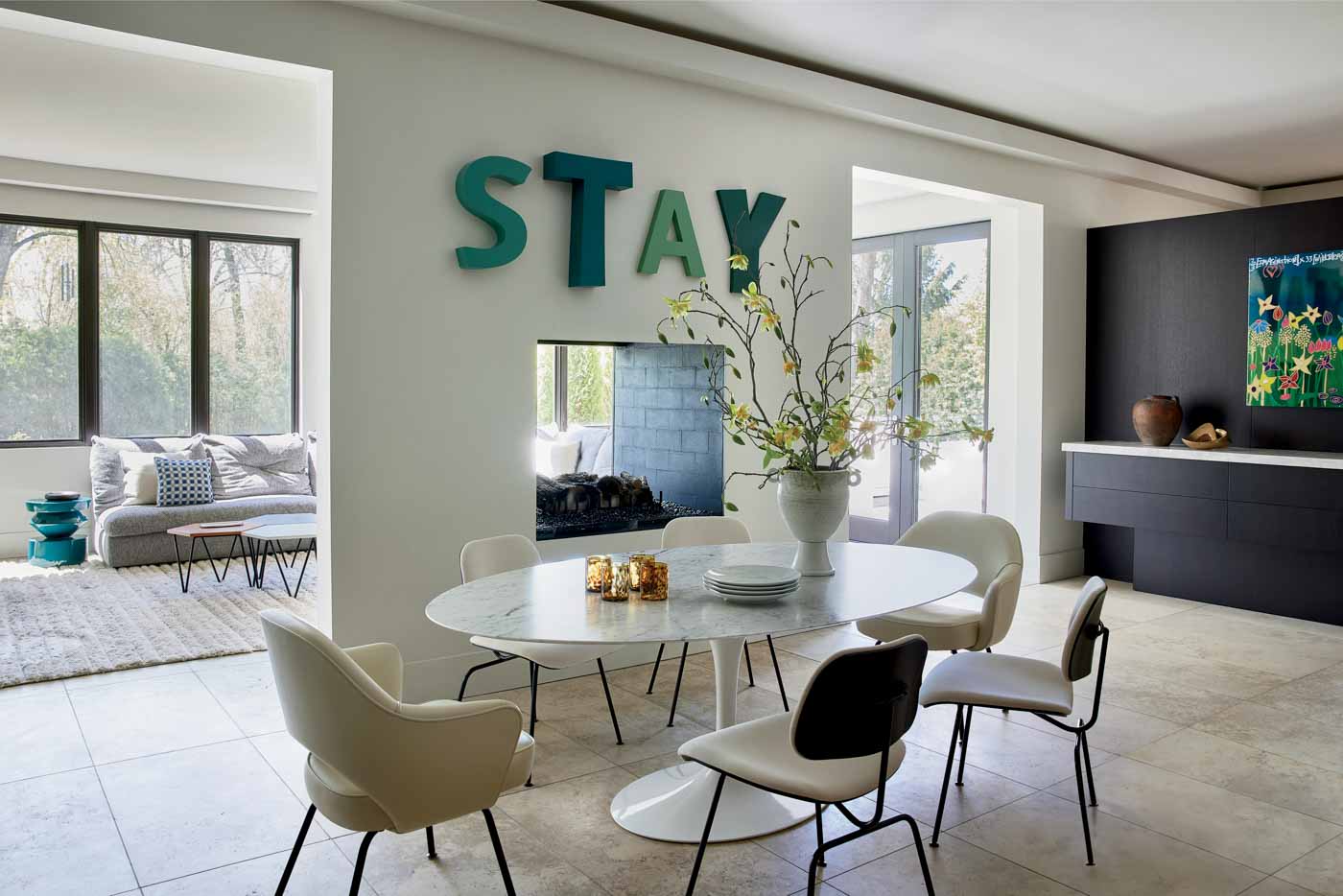
Lund accentuated the wall above the rectilinear, recessed firebox in the living room with an abstract, hand-poured mirrored glasswork by Rob Wynne. “In the kitchen,” notes Lund, “we co-designed the STAY sculpture above the fireplace. Its layered typography in varying shades of green introduces personality while reinforcing the home’s sense of warmth, hospitality, and togetherness. It is playful yet sophisticated, meaningful without being literal, and integrates seamlessly into the overall design.”
Working in fruitful collaboration with her client, Lund blended “vintage American mid-century furnishings with contemporary pieces sourced from artisan workshops and galleries throughout France, Italy, and other parts of Europe.” In the dining room, a floating buffet contrasts with the dining table’s substantial sculptural stature, while the cluster of spheres that constitutes the Apparatus chandelier echoes the dots of color arrayed in the Damien Hirst artwork on the wall.
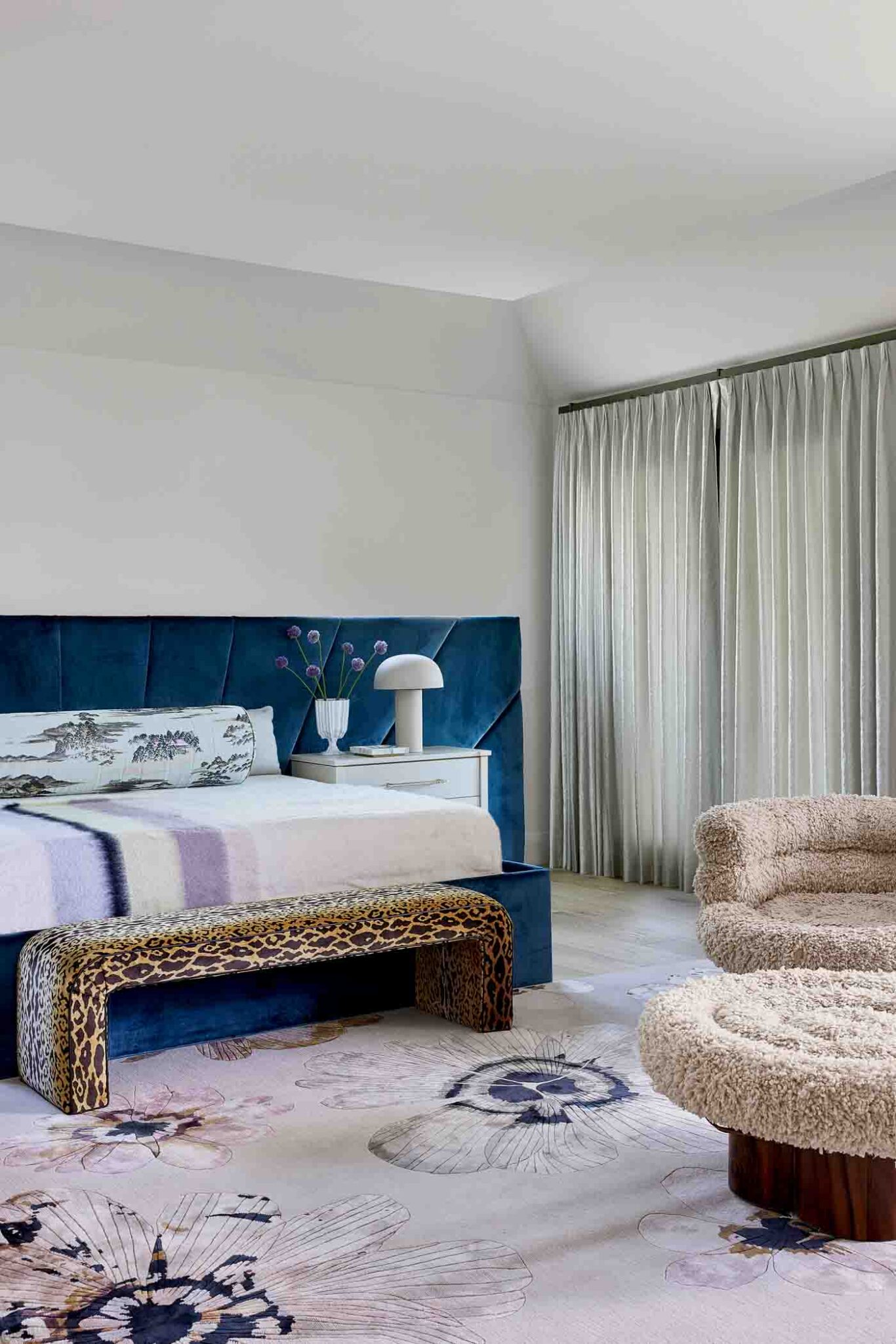
Crocodile-embossed wallpaper from Phillip Jeffries and the space-embracing shape of the chairs in the card room create a keen sense of intimacy. There’s a Continental elegance to the primary bedroom, where an expansive peacock blue, channel-tufted velvet headboard plays companionably with the large-scale anemone pattern in the silk rug. Throughout the home, warm ivory walls and white oak flooring stand as an ideal counterpoint to a palette of velvet, shearling, silk, mohair, stone, bronze, lacquer, and marble.
“Ultimately, I want every room to feel carefully composed rather than decorated,” Lund reflects. This is especially apparent in the living room, where a reupholstered vintage sofa keeps company with a color-blocked daybed, shearling Petra chair, and brass-and-alabaster floor lamp. “When architecture, art, furnishings, lighting, materials, and negative space are all working in harmony,” says Lund, “the result is an interior that feels curated, timeless, and inimitable.”
For more information, visit deborahlundinteriors.com.