Style | Jul. 2026
LAKE BLUFF ICON
By Contributor
edited by Bronte Starling
photography by Maria Ponce
Kathy O'Hara

JWC Media
a luxury lifestyle website that delivers a colorful and passionate telling of neighboring events, fashion, beauty, finance, and the pursuit of leisure.
By Contributor
edited by Bronte Starling
photography by Maria Ponce
Kathy O'Hara
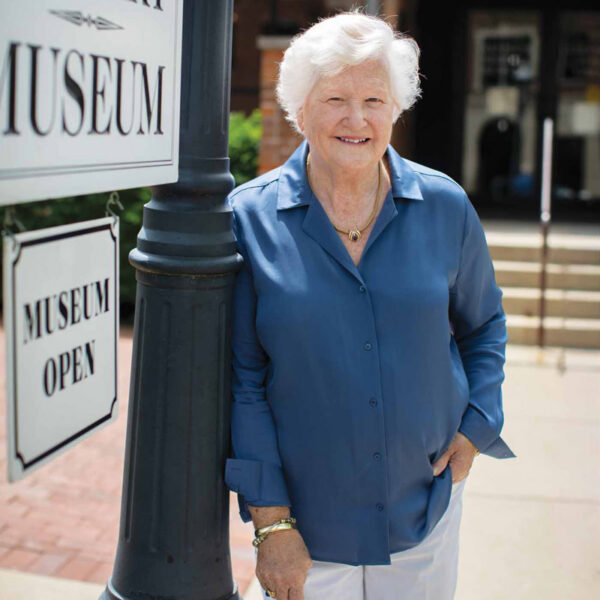
Kathy O’Hara traces her passion for Lake Bluff history to venerable village historian Elmer Vilet—who became the first President of the Lake Forest-Lake Bluff Historical Society in 1972. Vilet would give talks to her 7th graders at Lake Bluff Junior High School (LBJHS) about Lake Bluff history through the decades and how it mirrored what was happening elsewhere in the country.
“Lake Bluff Elementary School principal Janet Nelson and I suggested that he lend us his material so we could integrate Lake Bluff history into the school district’s curriculum,” explains O’Hara, a North Carolina native who was a teacher at LBJHS for 19 years and principal for 17. “After some time, Mr. Vilet turned over his entire research collection of 50 years to us with the idea we would start a museum dedicated to our village’s history. That was 44 years ago and our museum, which started on the second floor of a school, now has its own building adjacent to the Lake Bluff Library.”
The Lake Bluff History Museum was born and O’Hara now serves as its president. She also took on other leadership roles between retiring from LBJHS and her work today—so many, in fact, that she might be considered a village icon.
“After my retirement I was offered a position as coordinator of student services at Lake Forest High School and was there for 13 years,” she says. “I was also elected as a Village Trustee for six years and then Village President for two terms totaling eight years.”
In addition to running the Lake Bluff History Museum, she co-hosts its View from the Bluff podcast with Joanna Rolek, Executive Director of the Lake Forest/Lake Bluff Chamber of Commerce. Featuring 250 captivating minutes of Lake Bluff history in 16 episodes, the podcast is just one of the museum’s contributions to Lake Bluff’s celebration of the 250th anniversary of the United States this month.
“We’re also hosting a series of in-person Chautauqua style events about Lake Bluff and partnering with the Lake Bluff Farmers Market to provide Children’s History Time several Fridays this summer,” adds O’Hara, who we asked to share a few favorite things about the village she loves.
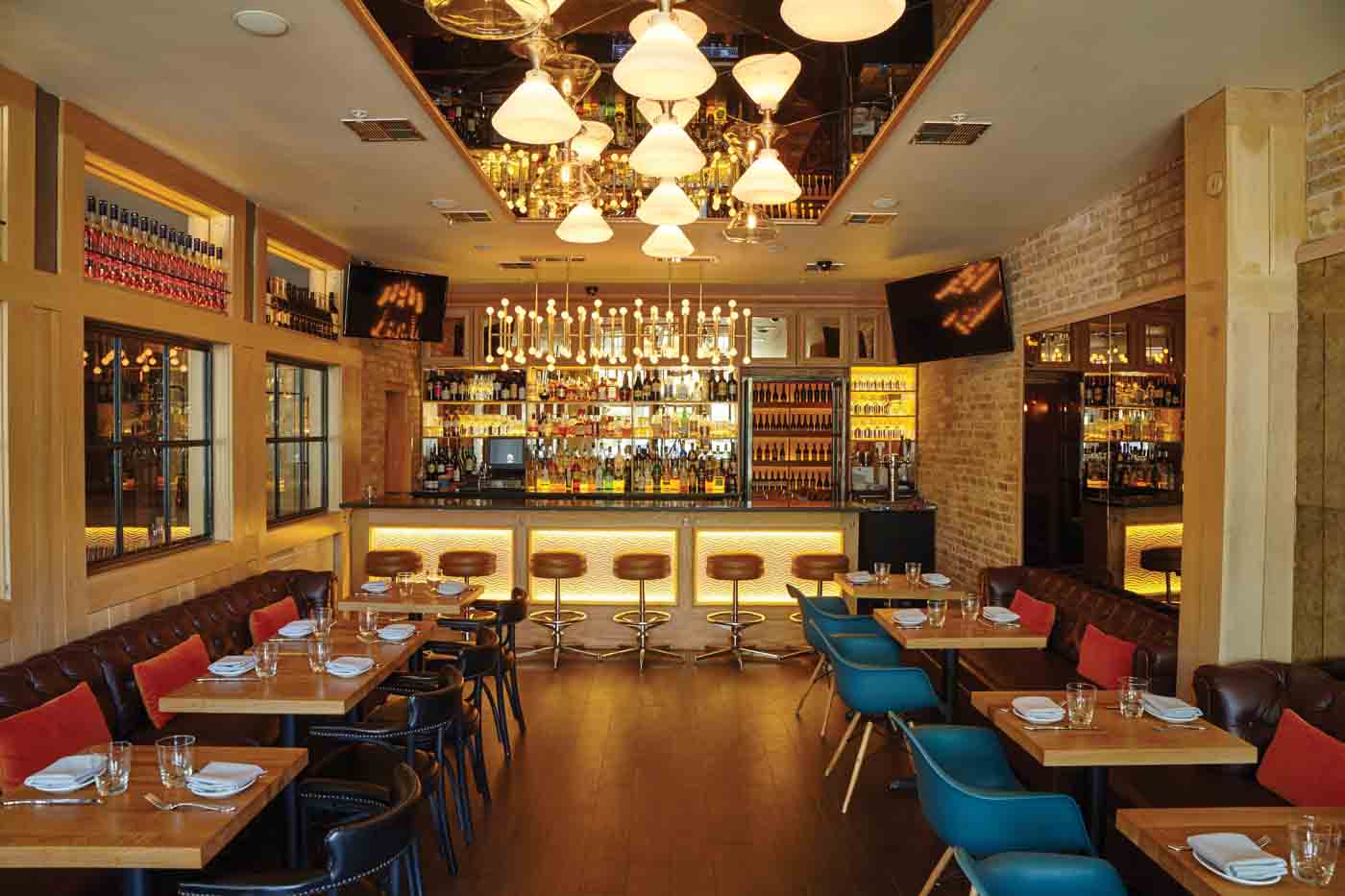
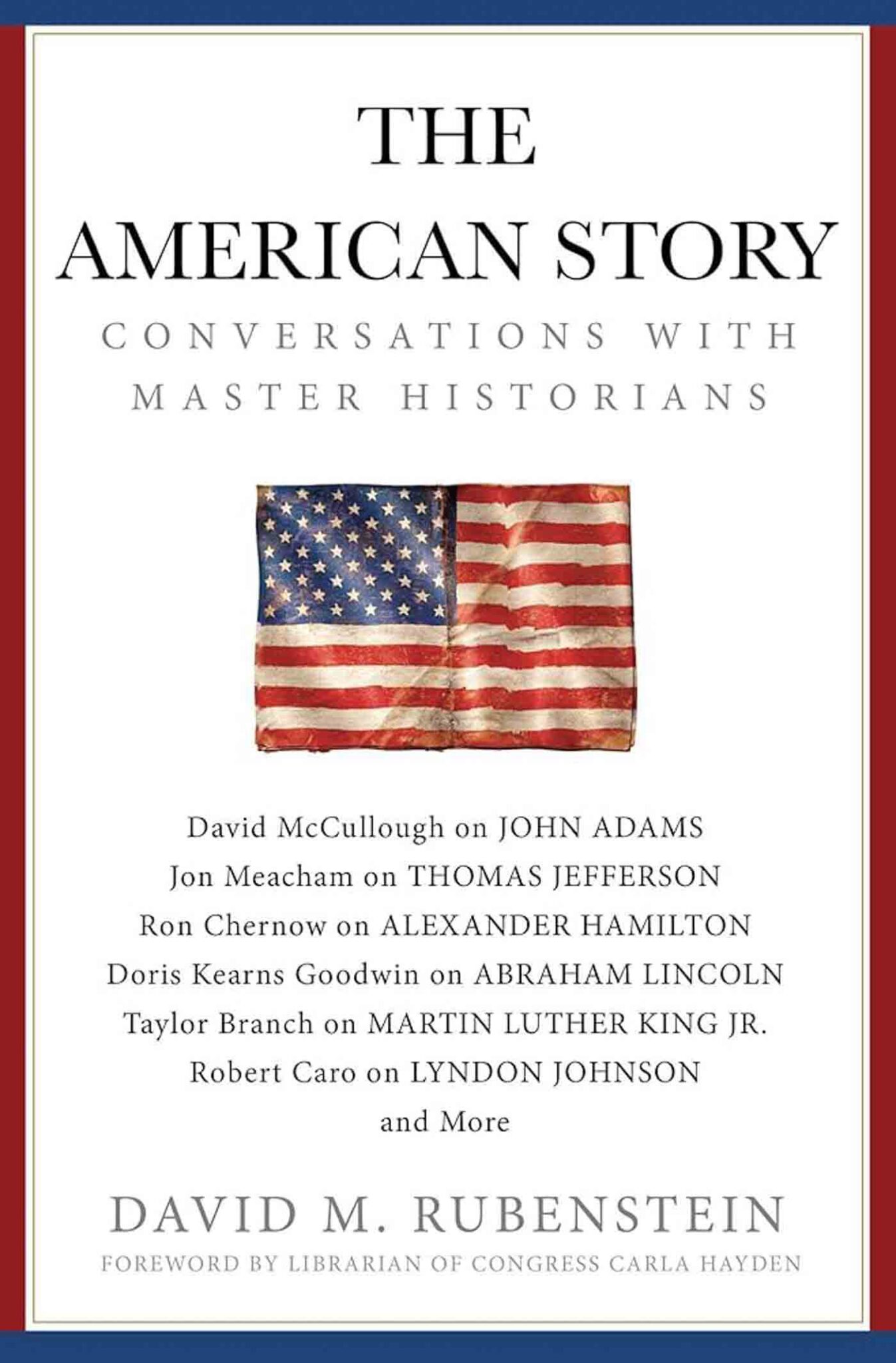
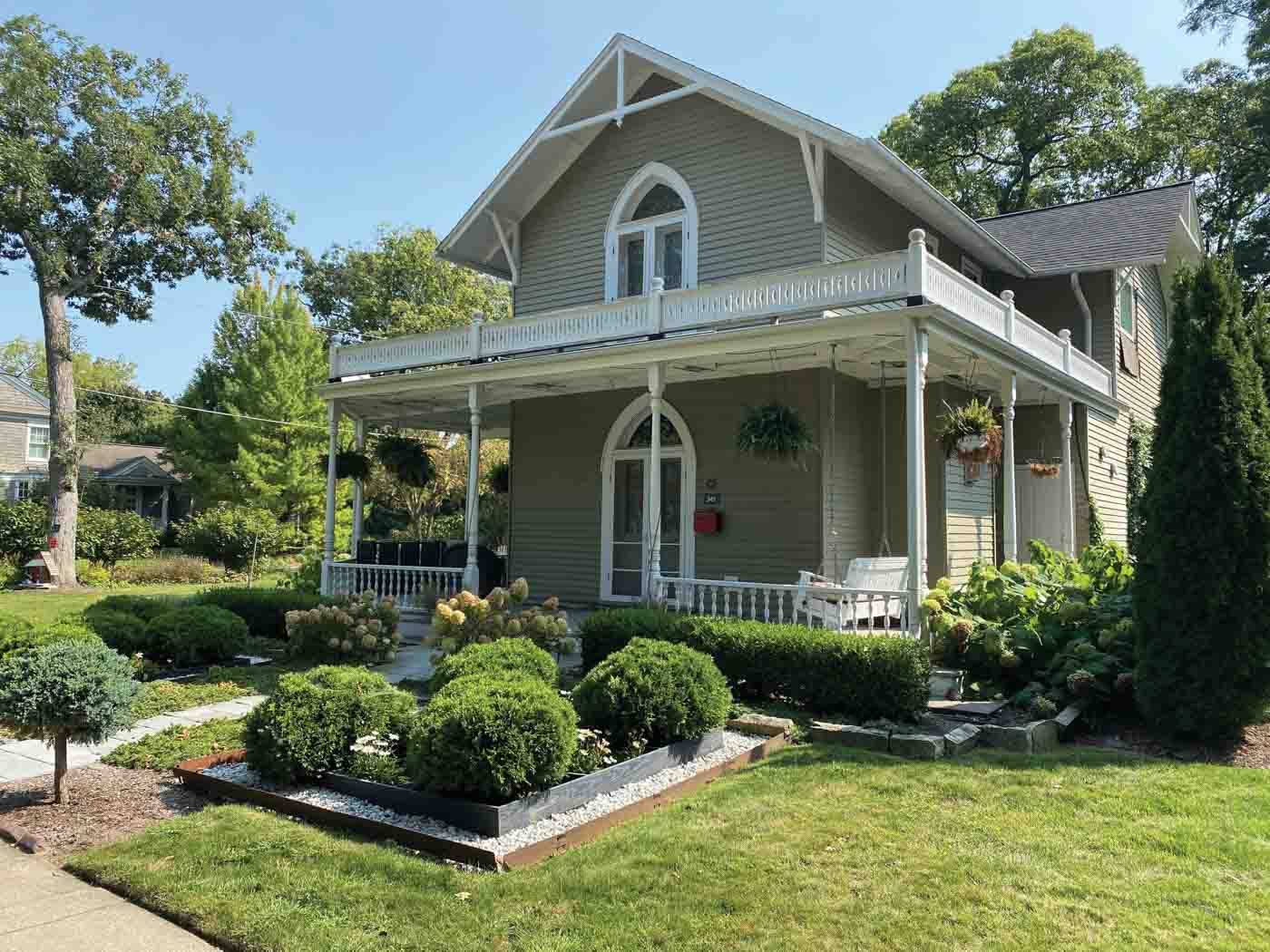
What are you currently reading? The American Story: Conversations with Master Historians, The Trial of Lizzie Borden, and I am addicted to English murder mysteries. Favorite bingeworthy podcast? True Crime podcasts. What’s is one of the area’s best kept secrets? Not really a secret, but standing on the bluff overlooking Lake Michigan is unbeatable. Where do you take out-of-town guests for dinner? I like to do local, Inovasi, or Maevery Public House in Lake Bluff. What’s is the most photographed house in Lake Bluff that most people don’t know the story behind? 345 East Center, the last surviving gothic-style camp meeting cottage left in Lake Bluff, built circa 1890. Lake Bluff has a long and storied history. What’s its oldest surviving tradition? The Lake Bluff 4th of July Parade, which began in 1911 and draws about 25,000 people to our village each year.
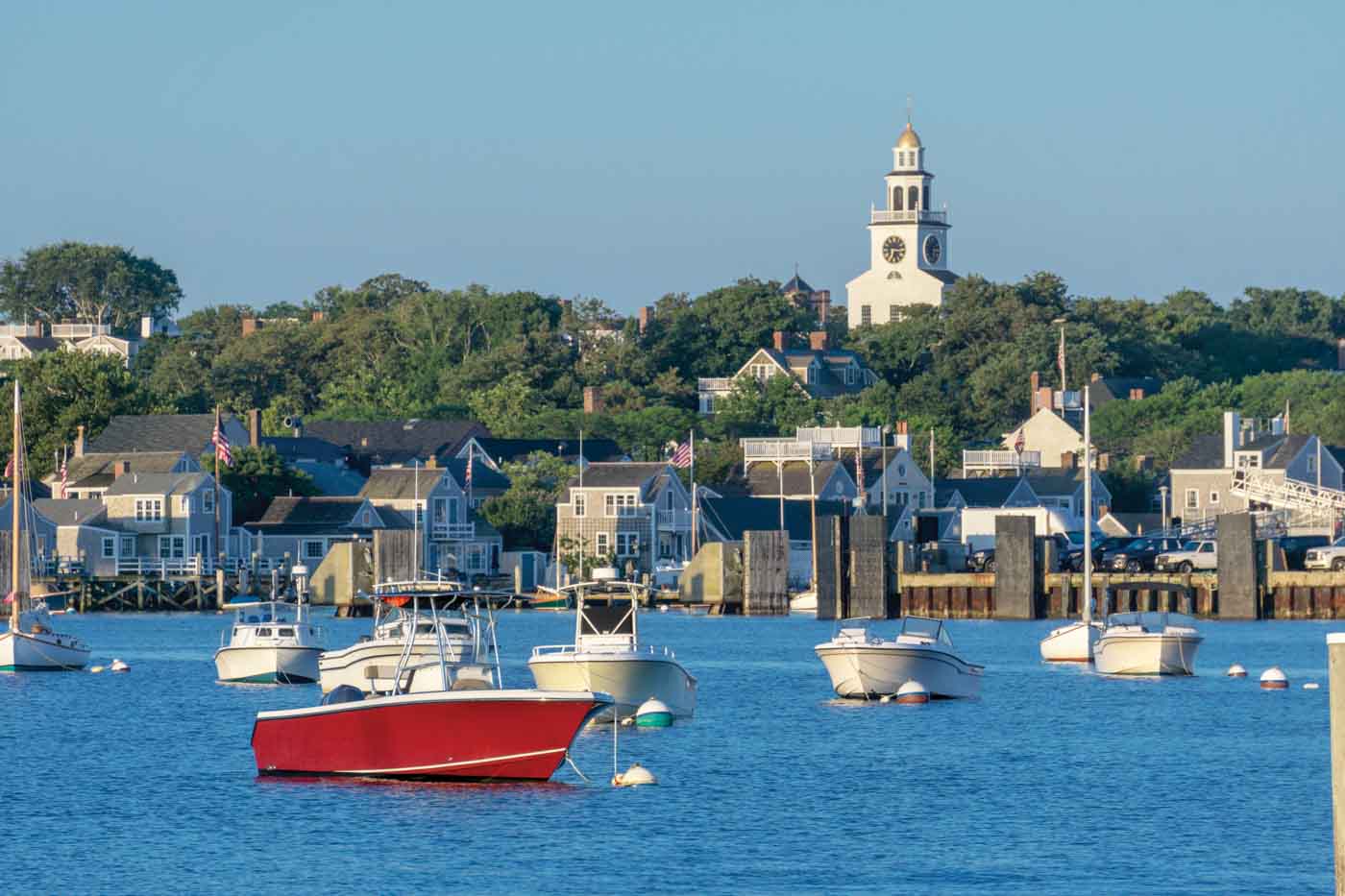
If you could have a second home anywhere in the world, where would it be? Nantucket. What Chicago institution do you think Lake Bluff and Lake Forest residents don’t visit often enough? The Chicago History Museum. Favorite day trip from Lake Bluff that has nothing to do with history? Cedarburg, Wisconsin. What is your go-to spot for antiques or vintage finds? Estate sales, thrift stores, and garage sales. Your best vintage find ever was? An original signed letter by John F. Kennedy on White House stationary—for a quarter.
Is there a local theater, music series, fundraiser, or sporting event you never miss? The Lake Bluff History Museum Holiday Home Tour. What’s playing while you’re driving on road trips? Podcasts or ‘60s music. Favorite summer meal? Fresh fruit salad with a dollop of lime sherbet—a North Carolina favorite. If you could travel back in time to any period in history, where would you go and why? The Revolutionary War period, as I would love to understand how the Founding Fathers developed the U.S. Constitution and their reasoning behind it.