Fashion | Nov. 2026
KNOW YOUR FARMER
By Contributor
words by Ben Rattin
photography courtesy of My Local Farmer
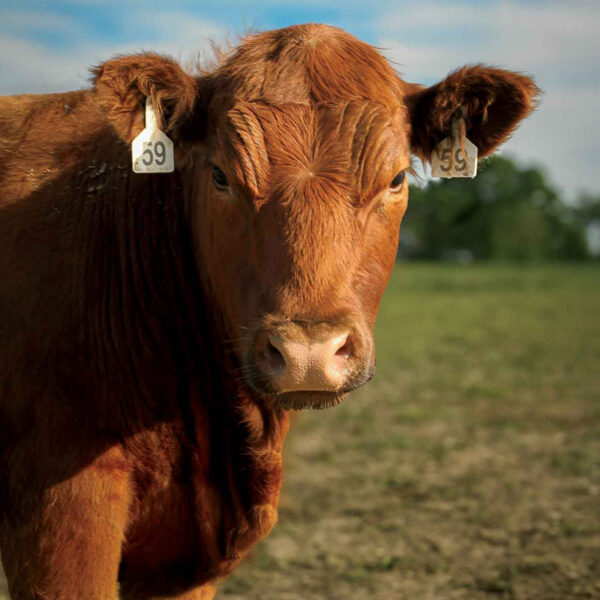
A cow standing in the fields at Wanda Farms. Photograph by Ben Rattin.

JWC Media
a luxury lifestyle website that delivers a colorful and passionate telling of neighboring events, fashion, beauty, finance, and the pursuit of leisure.
By Contributor
words by Ben Rattin
photography courtesy of My Local Farmer
A cow standing in the fields at Wanda Farms. Photograph by Ben Rattin.
LAKE FOREST AND LAKE BLUFF are towns of intentionality and distinction. People know their florists and the architects of their houses, but many don’t know where the food they eat every day is produced, or how.
So I started with a simple question: how would a North Shore family find a farmer growing their food intentionally? The kind of intentionality where the farmer moves his cattle and poultry every 30 to 45 days so his animals have access to fresh forage. The kind of intentionality where regenerative practices produce not just healthy livestock, but healthy soil and a healthier surrounding environment.
These farms weren’t hard to find because they were rare. They were hard to find because a small operation didn’t necessarily have the extra capital to run many advertisements, if any at all. The farms were there, doing honest and careful work to ensure the top quality of their products. They only needed a louder voice. My hope is that My Local Farmer will be that voice.
My friend Noah Goldfayn, a photographer, started driving out to these farms with me to capture the stories and the practices that made them exceptional. I built MyLocalFarmer.org to hold what we came back with—each profile lets a family find the farm, read the practices behind its food, and order from it directly, in a way that supports both their family’s health and the environment’s.
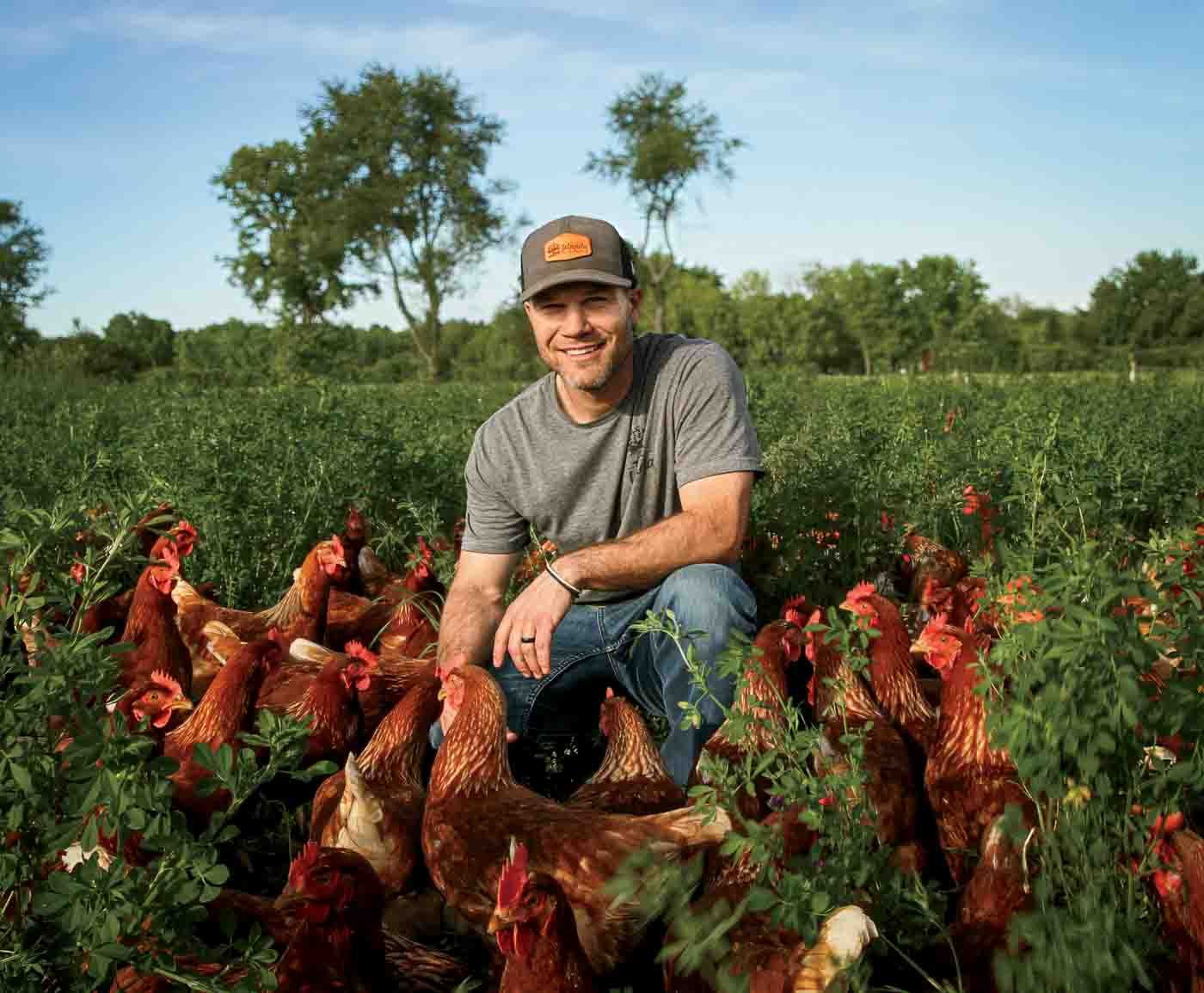
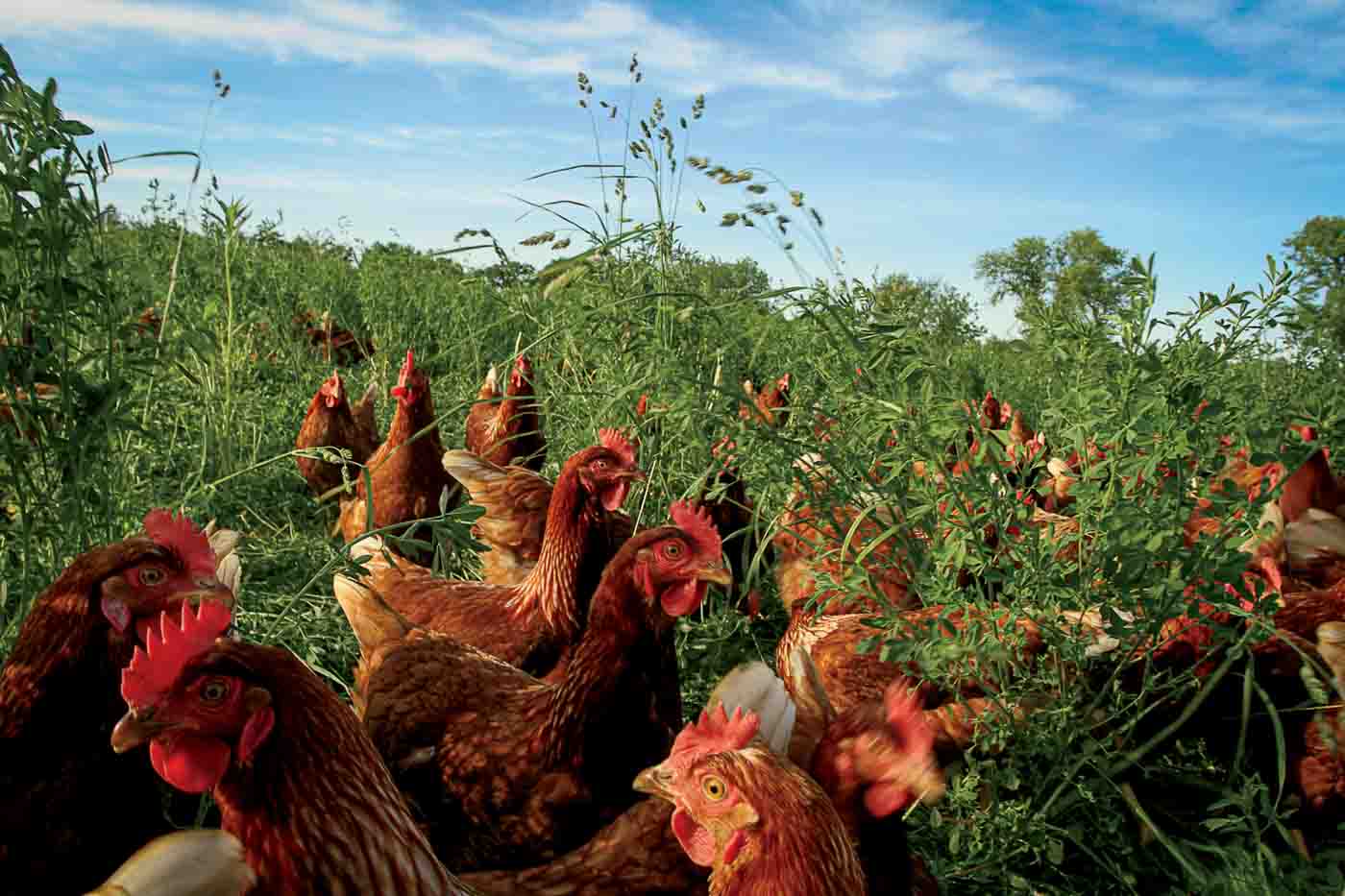
One such farm was Wanda Farms in Harvard, Illinois, where Joe and Hannah Wanda raise cattle and poultry. You might recognize their tent from the Lake Bluff farmers market last summer. Joe’s cattle move through the pastures of his farm onto a new pasture roughly every month. They eat a natural diet of alfalfa, clover, and grass, and have the freedom to exercise on the open pastures they call home. Joe’s poultry are given similar freedom. Guarded by giant livestock dogs, both his laying hens and broiler chickens are free to forage on the fields of the farm, as long as they please.

Because of this lifestyle, the couple says, “We’re not having to rely on antibiotics and vaccinations and all the pharmaceuticals just to keep them healthy or alive.”
Practices like those used on the Wanda farm go beyond what any supermarket label can capture. Store eggs can carry labels that sound just like Joe’s, but the quality behind them is not the same. Egg labels are confusing, which makes it hard to tell whether the eggs you’re buying came from chickens eating corn and soy-based diets, without room to move around, or from hens like Joe’s who eat what they find while foraging and have access to sprawling pastures.
Free range may not be as free as it sounds. The USDA requires only that hens have continuous access to the outdoors during their laying cycle—it never defines how large that outdoors has to be. It can be a fenced patch the size of a shed, or it can be as spacious as the pastures on Joe’s farm. Knowing which one you’re buying makes all the difference.
When deciding whether to change a step in his livestock raising process, Joe always starts by asking one question: “Is this practice going to have a positive impact, or could it be detrimental?”
The practices Joe works hard to maintain do more than give his chickens an exceptional quality of life. They make their eggs and their meat healthier for your family. A 2022 peer-reviewed research study found that pasture-raised eggs—like Joe’s—had twice as much carotenoid content (which acts as a powerful antioxidant), three times as much omega-3 fatty acid content, and a significantly lower omega-6 to omega-3 fatty acid ratio compared with cage-free eggs. Beyond the nutritional benefits, using ingredients like these eggs in any meal has a way of elevating a simple dish into a more flavorful, fulfilling one.
Joe’s farm is one of three on MyLocalFarmer.org.
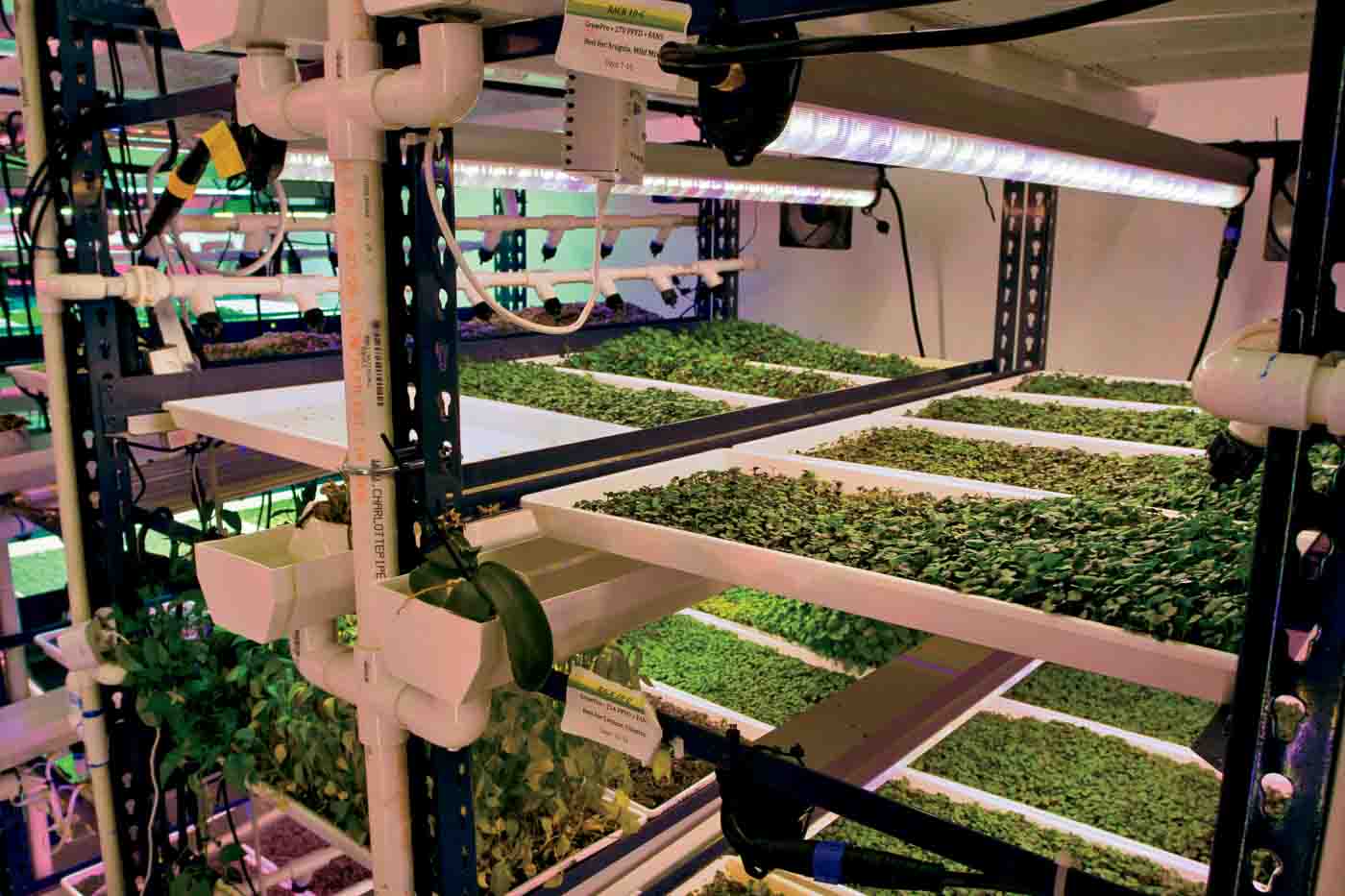
Elawa Farm, here in Lake Forest, runs an on-site cafe that brings the garden to the table. Local Leaf Farm, in Highland Park, grows nearly 50 varieties of micro-greens hydroponically, indoors and year-round.
Each farm has its own ordering and delivery policies that are listed on its site, but even farms like the Wanda’s, which are 90 minutes away, deliver orders directly to Lake Forest and Lake Bluff on a scheduled basis.
As for My Local Farmer, we’re already scheduling interviews for the 2027 lineup. So, when you think about where your ingredients are coming from, remember what Joe says: “You can invest in quality food now, or pay for your doctor bill later.”