Features | Dec. 2025
IN SEARCH OF A MATCH
By Ann Marie Scheidler
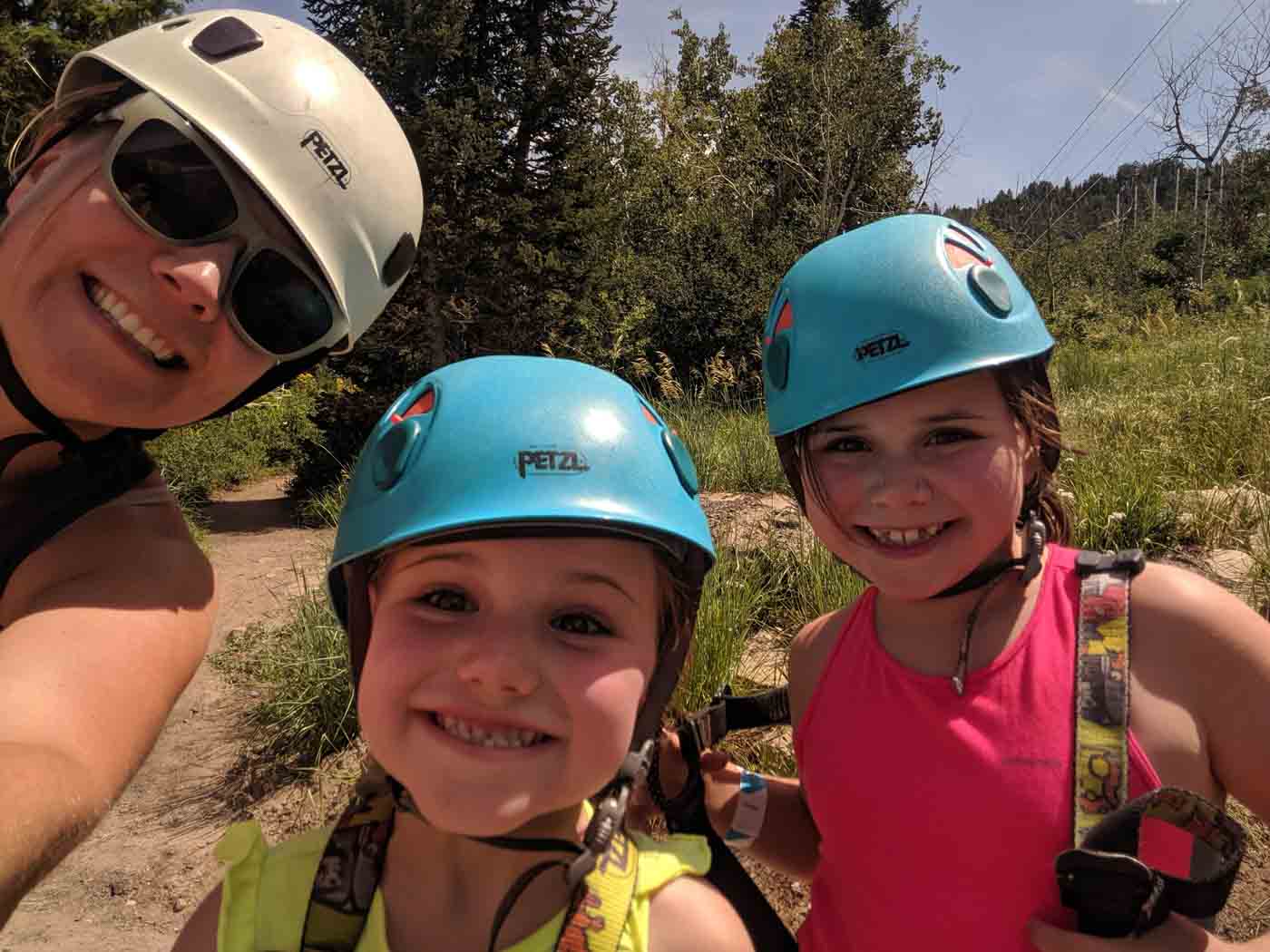
Amy Manelli and her family, 2023.

JWC Media
a luxury lifestyle website that delivers a colorful and passionate telling of neighboring events, fashion, beauty, finance, and the pursuit of leisure.
By Ann Marie Scheidler
Amy Manelli and her family, 2023.


When Amy Manelli talks about her life, the words that rise to the surface are gratitude, family, and perspective. She’s upbeat and calm, even when discussing something as daunting as living with end-stage kidney disease. “I feel pretty good,” she says with a gentle smile. “I’m really healthy otherwise. My biggest challenge is fatigue—but I think a lot of busy parents can relate to that.”
Manelli, who grew up in Northbrook, has lived with polycystic kidney disease (PKD) for all of her adult life. PKD is a genetic disorder that causes fluid-filled cysts to grow inside the kidneys, gradually enlarging them and diminishing their function over time. There is no cure, and the disease often leads to kidney failure. Manelli’s father and uncle both battled PKD and underwent two kidney transplants each.
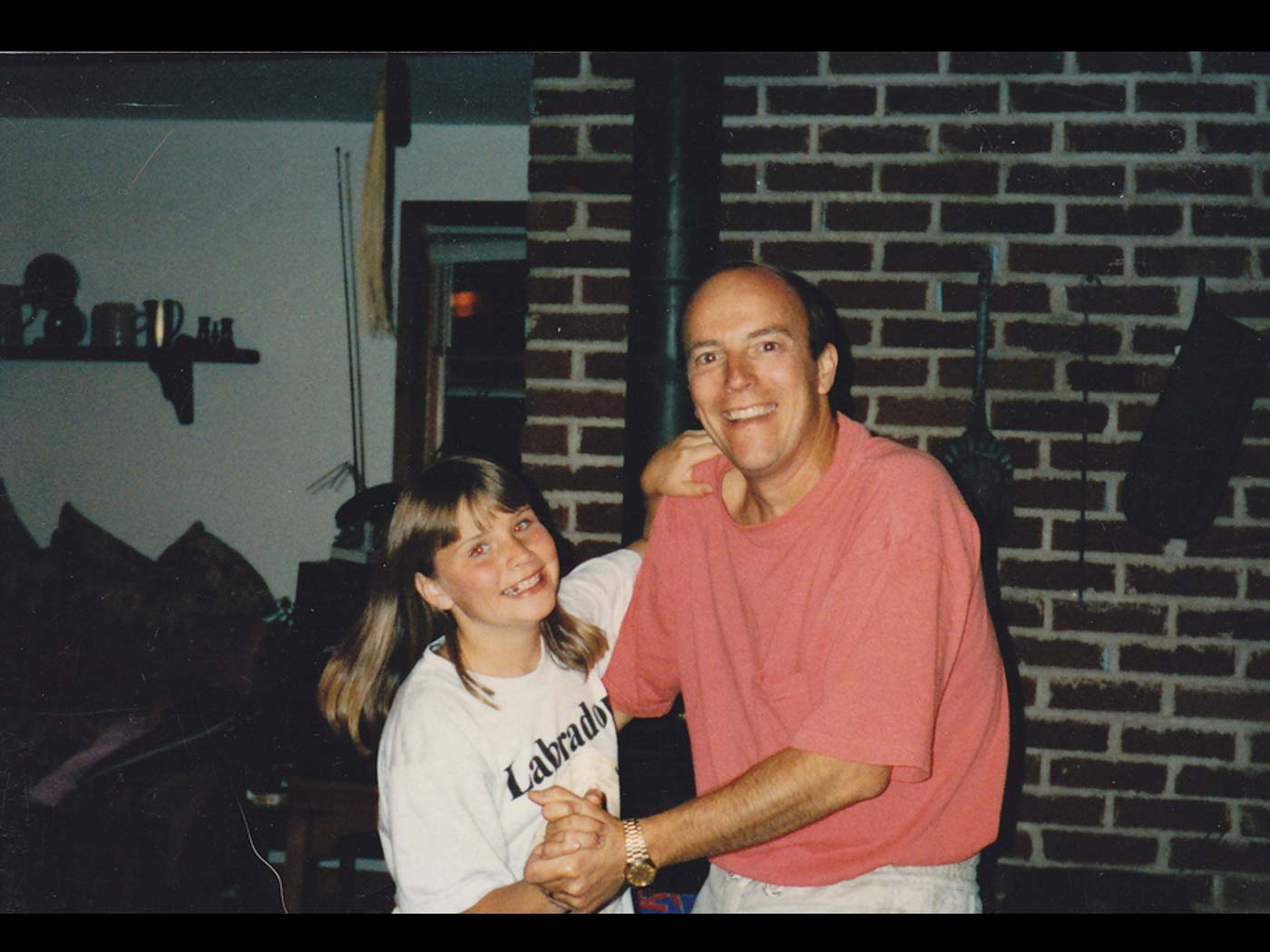
She first learned she had the same disease as a teenager. “When I was a senior in high school, my dad had kidney failure and went on the transplant list,” she recalls. “I was a good match for him, but when they did an ultrasound, they saw that I had the same disease as he did.”
Though her official diagnosis didn’t come until her 20s, Manelli began seeing a nephrologist early on and managed her health carefully. Her proactive approach—combined with the care of Dr. Arlene Chapman, one of the nation’s leading experts in PKD at the University of Chicago—has helped her stay strong for decades. “Dr. Chapman’s care has made such a difference,” Manelli says. “Her deep knowledge of this disease has been invaluable.”
Today, Manelli is in stage 5 renal disease, with her kidneys functioning at about 15 percent. Despite the seriousness of her condition, she remains remarkably positive. “It’s a progressive disease,” she says, “and even if you’re doing everything right, it’s like a train on a track that keeps going. But I’m doing all I can to stay healthy. I’m active, eating well, and managing my fatigue.”
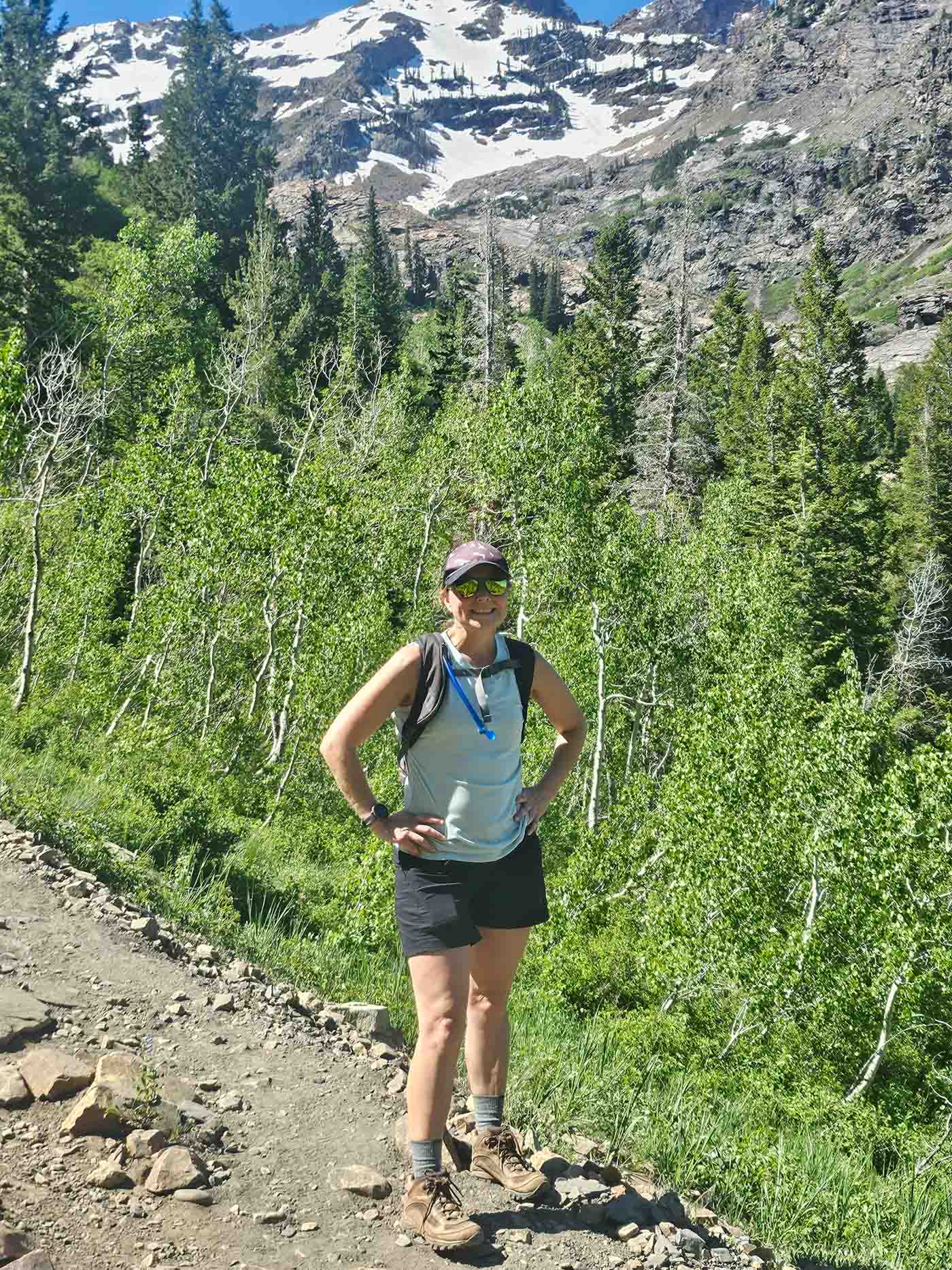
Manelli, a ski instructor who has an avid love of the outdoors, and her husband moved to Utah in 2021 after living in Chicago for nearly two decades. “It was such a good move for our family,” she says. “Utah has all the things we enjoy.” Their two daughters are thriving in their new home. And after undergoing genetic testing, Manelli and her family were relieved to learn that the girls do not carry the PKD gene, something they had a 50-50 chance of having.
Now, Manelli is facing the next big step in her journey: finding a kidney donor.
“Because this disease runs in my family, finding a living donor outside of my own family is my best option,” she notes.
Dr. Chapman has encouraged Manelli to be proactive in looking for a donor.
“The process of finding a donor can take months or it can take years,” Dr. Chapman explains. “The good news is that Amy has time to find one that is best for her. My experience has been that when a match is found, the donor is so happy that they are able to give.”
A kidney from a living donor typically lasts twice as long—15 to 20 years or more—compared to one from a deceased donor. “The sooner I can find a living donor, the better my chance of avoiding dialysis,” Manelli says. “The best outcomes are when the transplant happens before dialysis is needed.”
When a donor is found, Manelli’s surgery will be complex. “Each of my kidneys is about seven to eight pounds,” says Manelli, who is only 5 feet 3 inches tall and weighs about 120 pounds. “Because they’re so large, both would need to be removed during the transplant. They’re just too heavy and too dense for me to safely keep them. But I’m healthy, and my doctors think I’m a strong candidate for this more difficult surgery.”
Now, Manelli is sharing her story publicly in hopes that someone might consider becoming a kidney donor—whether for her or for someone else waiting for a transplant. “It’s such a personal decision,” she says. “But everyone I’ve talked to who has donated a kidney says it was one of the most positive experiences of their lives.”
For those interested in learning more about kidney donation, the process is confidential, and all medical expenses are covered by the recipient’s insurance. Donors must be in good health and can schedule surgery at a time convenient for them.
“I have so much gratitude for the support around me,” Manelli shares. “My dad always told me to be proactive with my health and to research the best options available because knowledge is power when you’re fighting this disease. And that’s what I’m trying to do now.”

If you or others would like to learn more, contact Amy Manelli at [email protected] or visit: unos.org/transplant/ living-donation/.