Features | Nov. 2026
HOW SEWER LINING RESTORED A 1920S HOME
By Contributor
WORDS BY ANDY VISCONI, SEWER & DRAIN SPECIALIST
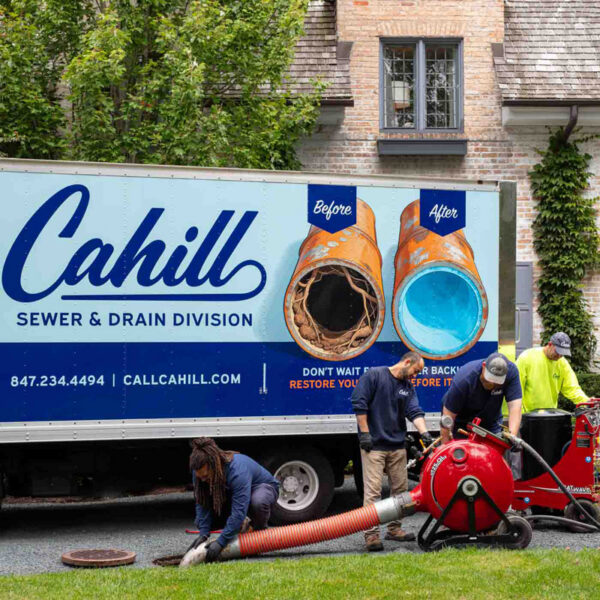
Technicians restoring the original sewer of a 1920s North Shore home with trenchless lining.

JWC Media
a luxury lifestyle website that delivers a colorful and passionate telling of neighboring events, fashion, beauty, finance, and the pursuit of leisure.
By Contributor
WORDS BY ANDY VISCONI, SEWER & DRAIN SPECIALIST
Technicians restoring the original sewer of a 1920s North Shore home with trenchless lining.
On the North Shore, older homes ask something different of the people who care for them. They are not simply houses. They are properties with history, proportion, craftsmanship, and grounds that have often been shaped over decades. Their value lies not only in the structure itself, but in the setting around it: mature trees, established plantings, gracious drives, terraces, and the sense that the home belongs exactly where it stands.
That is what made one recent sewer project so instructive.
The home was a 1920s English residence on a beautifully landscaped property, the kind of place where every exterior detail contributed to its character and appeal. It had the established hardscape, mature grounds, and quiet sense of permanence that define so many of the North Shore’s most admired homes.
Like many older properties, however, the systems underground were not as timeless as the architecture above them. Both the sanitary sewer and the storm sewer had reached the point where a more permanent solution was needed. This is often how sewer issues present themselves in older homes. The visible property may be beautifully maintained, while below grade the pipes are aging, joints are weakening, roots are finding openings, and deterioration is advancing out of sight.
For many homeowners, that is the moment when concern shifts from the sewer itself to what the repair will do to the property.
Traditional sewer replacement often means excavation. Lawns are opened. Driveways may be cut. Landscape beds are disturbed. Hardscape that took years to mature or significant investment to build can be affected in a matter of days. For a newer property, that is frustrating. For an older North Shore home with historic or carefully preserved grounds, it can feel especially costly.
In this case, excavation was exactly what the homeowners hoped to avoid.
Instead of digging up the property, we restored both the sanitary and storm sewer lines using trenchless sewer lining. The work was completed without excavating the lawn, without opening the driveway, and without disrupting the landscape that gave the property so much of its identity. The repair happened where the problem actually was: underground.
That is the appeal of sewer lining at this level. It is not simply a repair method. It is often the more thoughtful way to solve an infrastructure problem on a property where preservation matters. Rather than removing and replacing the old line through open excavation, trenchless lining creates a new, seamless pipe within the existing one. The result is a restored sewer system with far less disruption above ground.
For homeowners, that can mean more than convenience. It can mean preserving mature landscaping, avoiding damage to hardscape, shortening the disruption that comes with construction, and in many cases spending thousands less than a traditional dig-and-replace project. For the right property, those advantages are substantial.
Older homes require modern solutions that respect what makes them special. On the North Shore, sewer lining is often exactly that: a way to restore what is failing below ground without compromising what has been carefully preserved above it.
Most sewer problems begin years before homeowners notice them. The only way to truly understand the condition of your sewer line is with a camera inspection. Cahill offers North Shore homeowners a $79 sewer camera inspection to help them understand the health of their sewer before problems start.
For more information, call Andy directly at 847-865-4443 or visit cahillplumbers.com.