First Class | Apr. 2026
CURAÇAO
By Dustin O’Regan
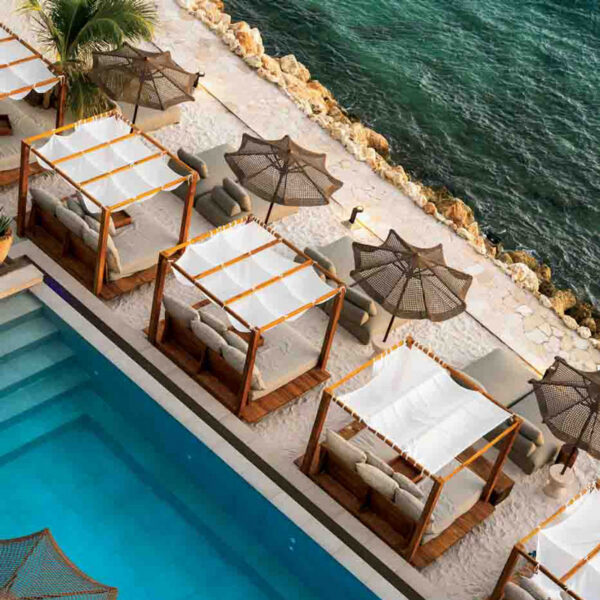
Art Hotel Curaçao pool

JWC Media
a luxury lifestyle website that delivers a colorful and passionate telling of neighboring events, fashion, beauty, finance, and the pursuit of leisure.
By Dustin O’Regan
Art Hotel Curaçao pool
Curaçao, a Dutch Caribbean island, is a place where color, culture, and history combine in the most enchanting way. More than 60 nationalities call the island home, and its local language, Papiamentu—a lyrical blend of Hebrew, Portuguese, Dutch, Spanish, African languages, plus dashes of French and English—reveals just how globally connected this small island is. One word you’ll often hear is dushi. Meaning “sweetheart,” but also “lovely” and “the good things in life,” this endearment is the perfect encapsulation of Curaçao itself.
Blessed with year-round sunshine (temperatures rarely dip below 80 degrees), an island-wide water supply so clean it’s safe to drink from the tap, and a location outside the main Atlantic hurricane belt, Curaçao makes travel effortless. Add in direct flights from O’Hare, Carnival season kicking off each January, a top-ranked golf course, and a menu of adventures—from boats and jet skis to rock climbing and rappelling off the Caribbean’s tallest bridge—and this culture-rich, modern island becomes irresistible. On my recent trip, I experienced a confluence of cultures and languages unlike anywhere I’ve ever been, and I fell completely under Curaçao’s spell.
ART HOTEL CURAÇAO
Our first stay, Art Hotel Curaçao, sits in the heart of Willemstad’s historic and vibrant Pietermaai District. Designed by the renowned Dutch firm Studio Piet Boon in collaboration with Curaçaoan architect Cas Albers, the island’s first art hotel and an adult-only boutique retreat, offers a sleek, design-forward experience rooted in local creativity, as evidenced by its in-house gallery concept.
My suite, Penthouse A, boasted panoramic Caribbean views, an outdoor shower, a hot tub, and, behind my bed, a striking artwork by Dutch ceramist Ellen Spikstra. Her marine-inspired series, Pebbles and Tunicates, is showcased throughout the property, each piece reflecting the island’s relationship with the sea.
The pool area, with plush, shaded daybeds, is stunning; sunworshippers will clamor for a spot on the luxurious loungers dotting the darling islet jutting out into the sea.
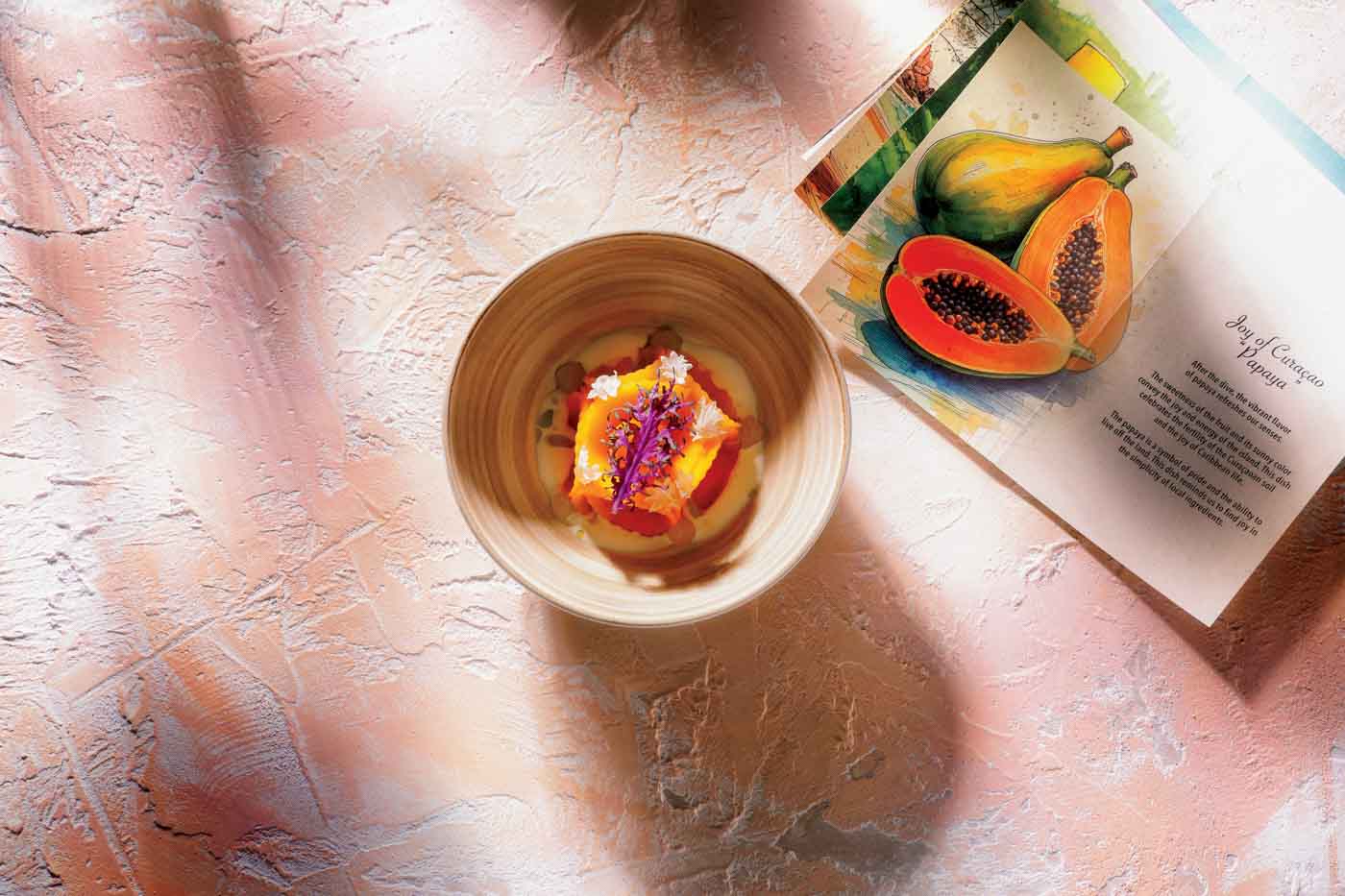
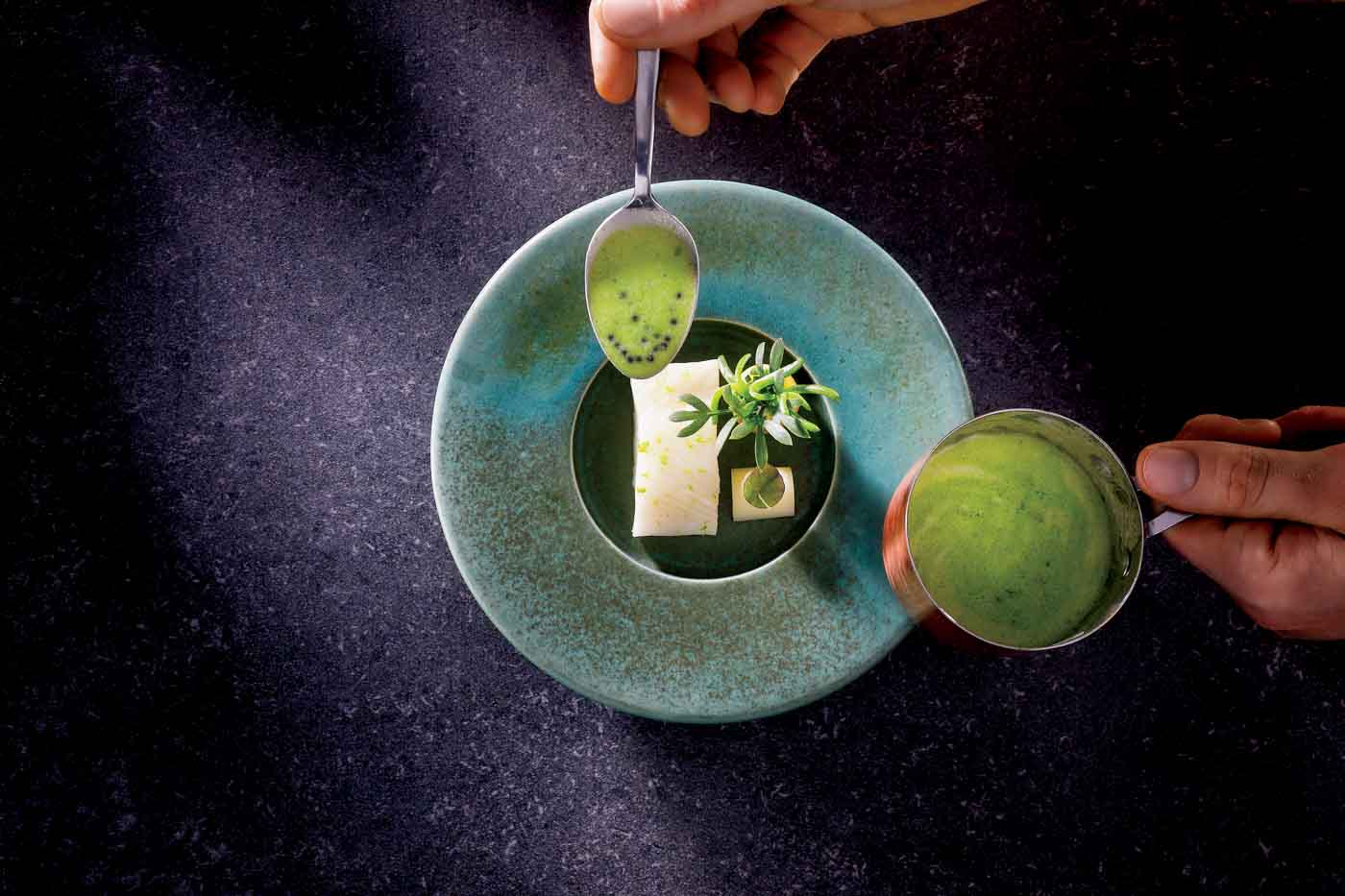
Whether it be sipping handcrafted cocktails at Lemon Beach or sharing a zesty ceviche at Lamunchi, the resort’s urban foodbar, or indulging in the Chef’s Menu at The Lemon Tree, meals at the Art Hotel Curaçao are elevated experiences. Our five-course dinner at The Lemon Tree was a culinary revelation; each course was accompanied by an illustrated booklet connecting the dish to Curaçaoan history or culture, creating a thoughtful and delicious feast for both mind and palate.
Our first morning began at La Reina, a crimson-hued café and boutique with ornate white balconies and balustrades, conveniently located next door to the hotel. My standout sip was the Java Colada, a blend of coconut milk, turmeric, pineapple, passionfruit, and cinnamon touted for anti-inflammatory and brain-boosting benefits.
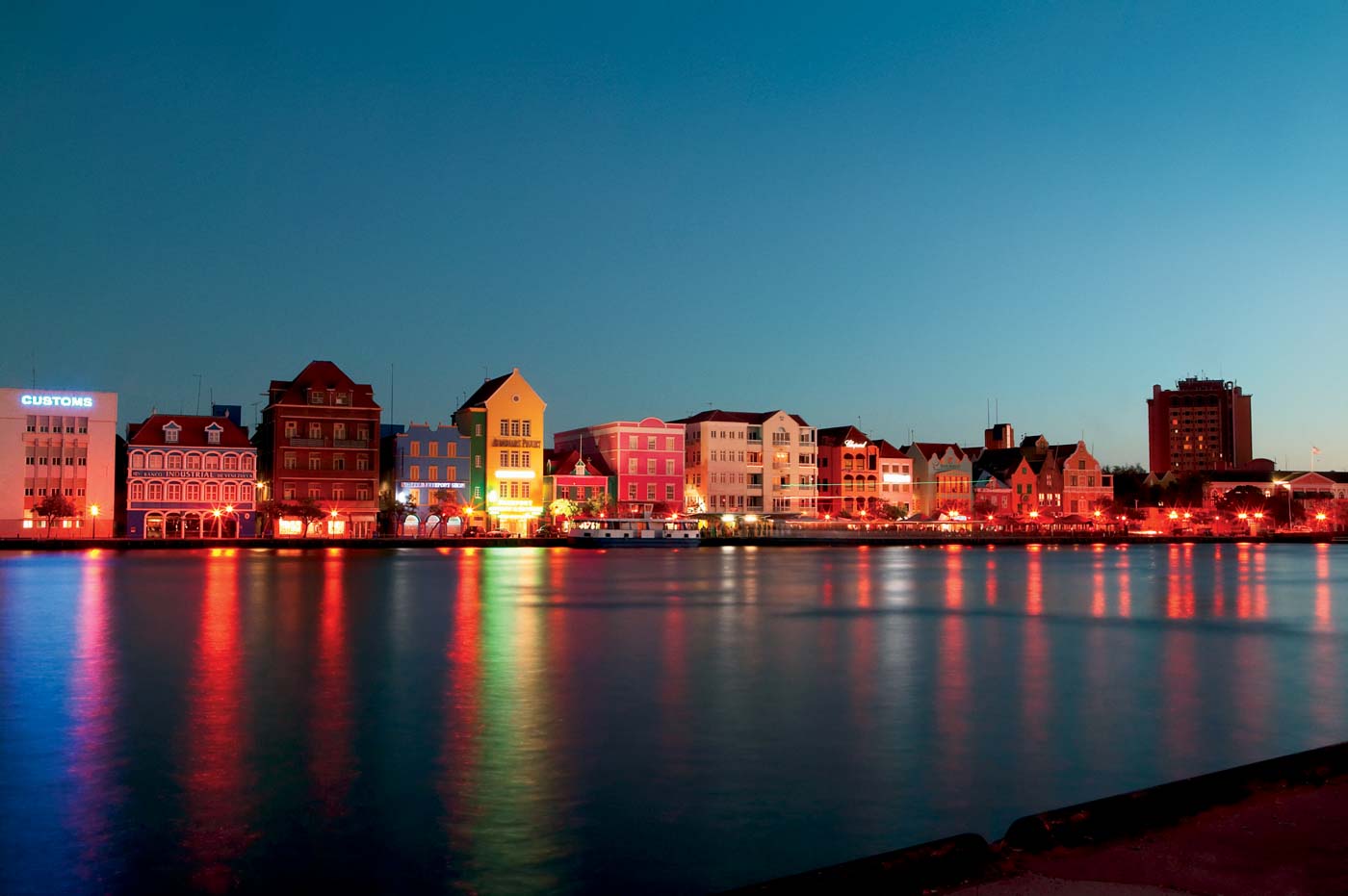
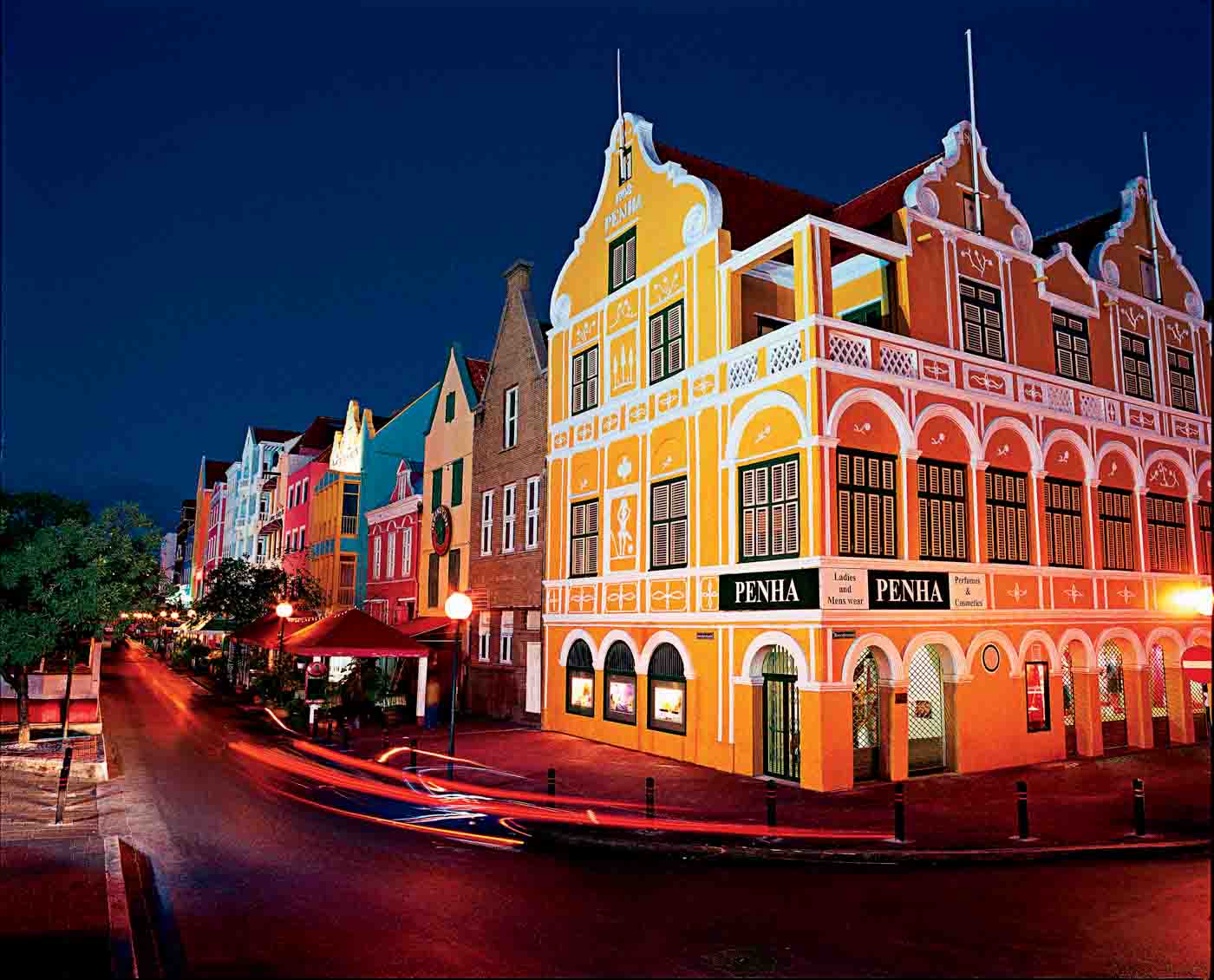
Then we joined Tirzah Statia, founder of Lokalish, for a walking tour of Willemstad, a UNESCO World Heritage Site. Willemstad’s Punda neighborhood is an Instagrammer’s dream with its gingerbread-like buildings and iconic, pastel-hued Handelskade waterfront (a twin to Amsterdam’s famous streets). Kaleidoscopic murals transform many of Punda’s buildings into art canvases, revealing that Curaçao’s street art movement, though young at under 20 years, is one of the Caribbean’s most dynamic.
The tour also included stops at the Queen Emma Floating Bridge, Wilhelmina Plaza, the Governor’s Mansion, and the Mikvé Israel-Emanuel Synagogue, the oldest synagogue in continuous use in the Americas, and the Jewish Museum Curaçao, which showcases the island’s deep Jewish heritage. The first Jewish settlers arrived in 1634, and many of their descendants helped shape Curaçao’s culture, including the Senior family, who, using the island’s too-bitter-to-eat oranges to produce Blue Curaçao, founded a global business. Their signature bottle design still mimics an orange peel, so you can recognize the genuine product by touch.
We then sampled rum at AnnaBay Club Rum and visited the harborside produce market, stocked daily by boatmen ferrying fruits and vegetables from Venezuela, a tradition that is more than 120 years old. Taking a break, we indulged in homemade pistachio ice cream at the home of Tirzah’s lovely friend, Mina. Walking off the calories was no chore as we strolled to the Otrobanda (“other side”), where we passed the iconic Netto Bar famous for its Green Rum or “Ròm Bèrdè” and ended our afternoon at Hof Cas Cora, a picturesque farm where we met microbiologist and herbalist Elly Sambo of Universal Alchemist (@uni.alchemist). Under her guidance, we created our own tea blends; mine was infused with star anise, rose petals, butterfly pea, and lemon balm. We concluded our session with the fragrant cleansing smoke of Palo Santo.
The day ended with dinner at Mosa Caña Bar & Kitchen, where we enjoyed shared plates from a menu blending Latin, Caribbean, and Asian flavors. Highlighted by vivid murals, the restaurant’s lively atmosphere created the perfect setting to recount our adventures of the day.
BAOASE LUXURY RESORT
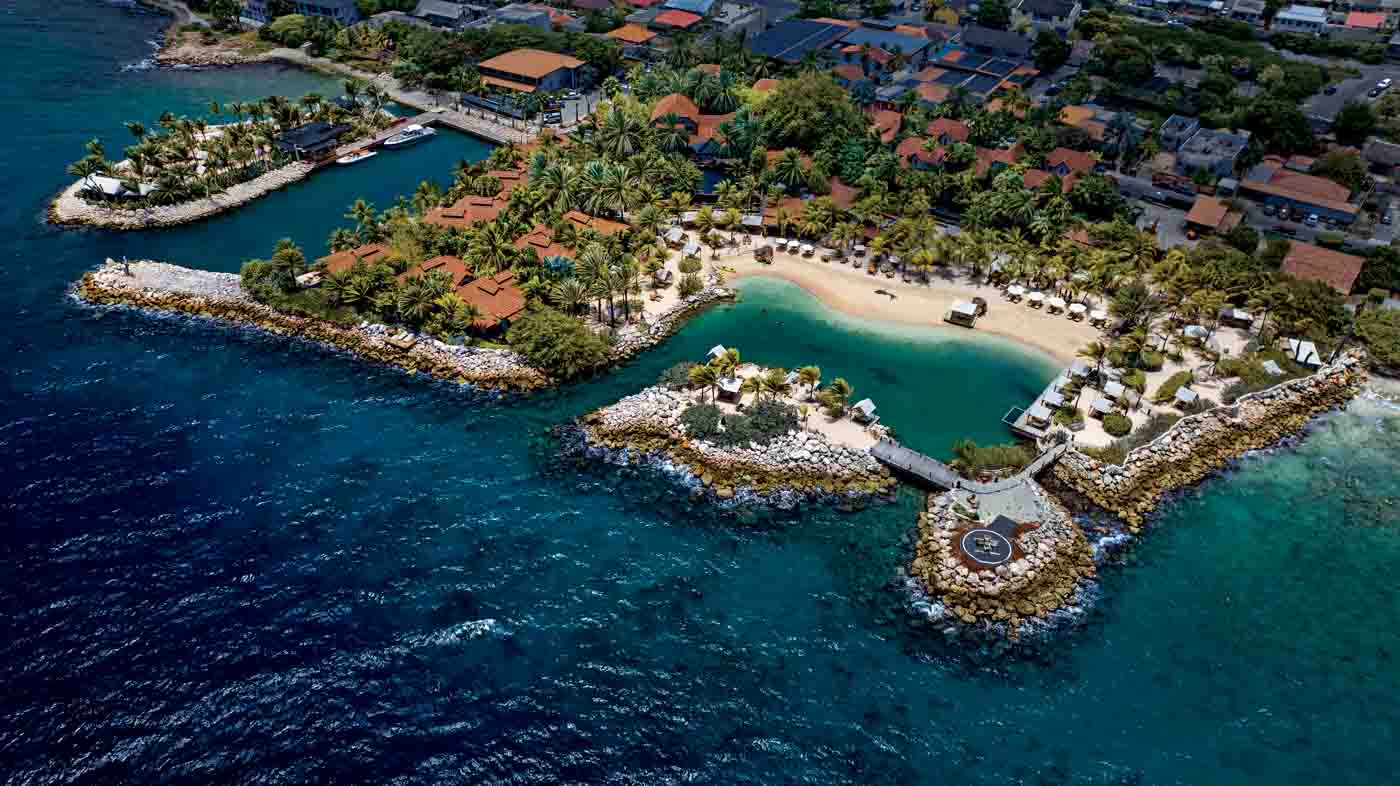
The following morning, we set off for Baoase Luxury Resort, ranked the No. 1 hotel in the Caribbean by both Travel + Leisure and Condé Nast Traveler. The entrance, framed by massive Balinese doors, sets the tone for what lies beyond—a hidden sanctuary of tropical elegance.
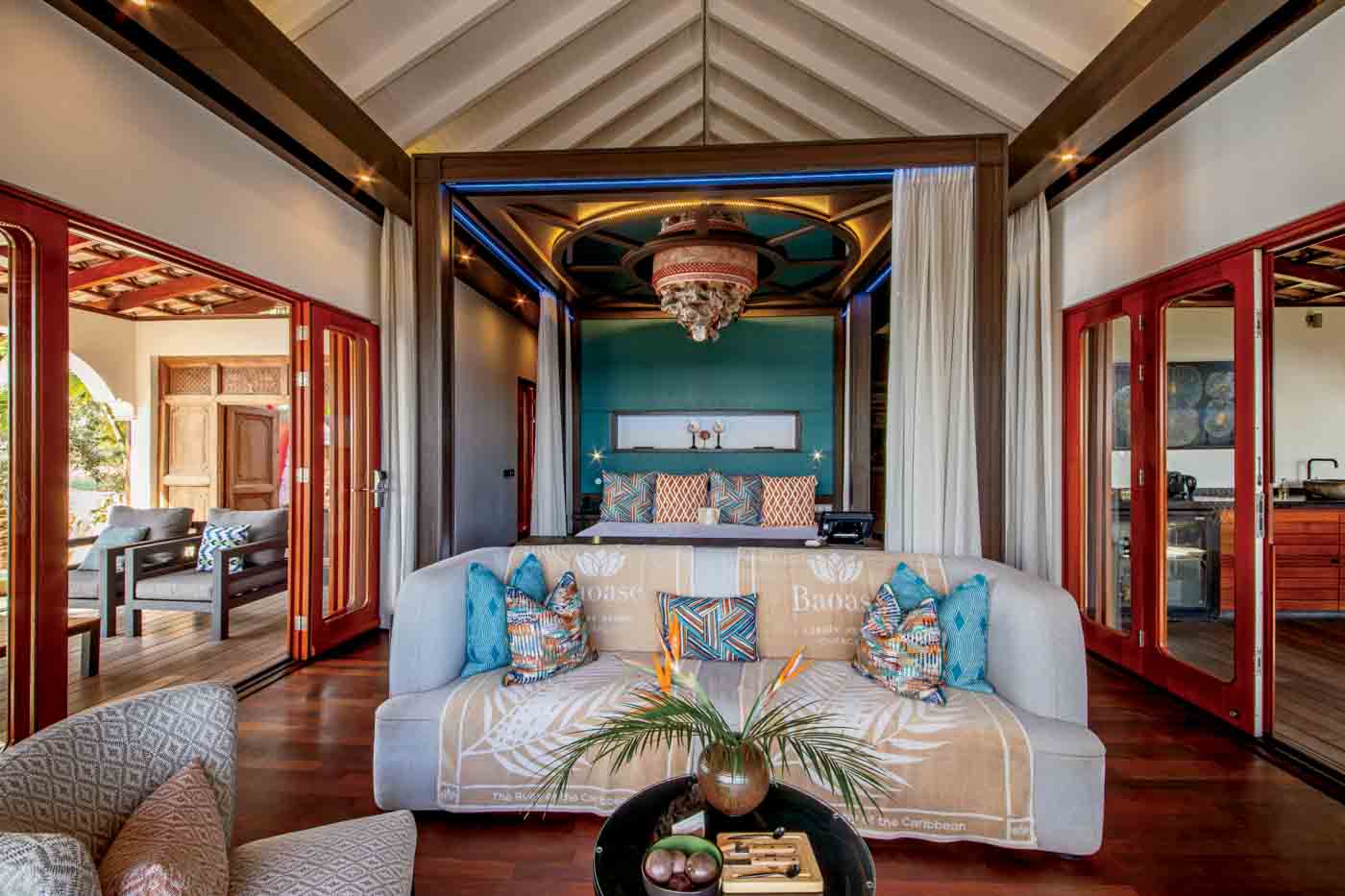
While all 23 rooms, suites, and villas boast a Balinese flair, each has a unique configuration. Some suites offer private pools or outdoor tubs; others offer beachfront access or secluded courtyards. My expansive suite, Mawar Putih, featured an outdoor kitchen and dining area, hot tub, loungers, a generous bedroom and bath, and charming details like the “do not disturb” coconut—one side painted with eyes closed (privacy please), the other with eyes open (ready for refresh).
Relaxation is paramount at Baoase as guests are encouraged to leave their worries behind while they lounge alongside the lagoon and are tended to by a Beach Butler. A small walkway from the beach leads to Bibi’s Island, a secluded spot ideal for romantic photo ops at sunset.
The spa, housed in open-air pavilions overlooking the sea, was breathtaking. As my masseuse worked her magic, I breathed in the scent of eucalyptus mingled with the salty ocean breeze and listened to the sugar thief birds softly chirping. After a wonderful massage that even included my ears (highly recommended), I opened my eyes to a delicate woven ceiling and sat up to a view of the bluest water.
Dinner at the Culinary Beach Restaurant was exceptional—French technique blended with tropical and Asian influences, artfully composed on each plate.
The next morning, after a stop at local favorite Number Ten for coffee and bites, we spent the day sailing with Hilde and Norbert of Maxie Sailing. A glass of bubbly in hand, we cruised through Spanish Waters and into the Caribbean Sea aboard the Galaxie, the couple’s 48-foot green sailboat. We anchored to swim and snorkel before feasting on Hilde’s homemade snacks—curried meatballs, lemon shrimp, olives, prosciutto, brie, and the plumpest blueberries I’ve ever encountered. As we sailed back, our hosts shared stories of their native Amsterdam and the magnetic pull that ultimately drew them to Curaçao.
On land again, we explored Kurá Hulanda Village in Otrobanda—a cluster of cobblestone streets lined with colorful chocolate shops, boutiques, spas, and galleries, including the vibrant BAGIRA gallery, owned by one of the island’s most prolific street artists. The entire village is a UNESCO World Heritage Site and is impossibly charming.
Dinner that night at Sal The Kitchen, owned by two charismatic brothers, delivered a stylish blend of Caribbean and international flavors in a distinctive setting; the dining room walls are built from coral that slowly expresses salt, hence the restaurant’s name.
Curaçao’s people, culture, architecture, street art, and sapphire sea create a seductive rhythm that is impossible to resist. It is modern and historic, joyful and soulful, adventurous yet deeply relaxing. Whether it be the year-round sunshine, the rich cultural tapestry, the outdoor adventures, or the simple pleasure of hearing someone call you dushi, Curaçao offers something for every traveler. I left absolutely in love with this small, extraordinary island. Dushi, what are you waiting for?
For more information, visit arthotelcuracao.com, baoase.com, lokalish.com, hofcascora.com, mosacana.com, maxiesailing.com, sal.kitchen.com, kurahulandavillage.com, and bagira.art.