Art & Artist | Aug. 2026
CENTENNIAL SUCCESS
By Thomas Connors
PHOTOGRAPHY COURTESY OF GOODMAN THEATRE
Goodman Theatre in Chicago

JWC Media
a luxury lifestyle website that delivers a colorful and passionate telling of neighboring events, fashion, beauty, finance, and the pursuit of leisure.
By Thomas Connors
PHOTOGRAPHY COURTESY OF GOODMAN THEATRE
Goodman Theatre in Chicago
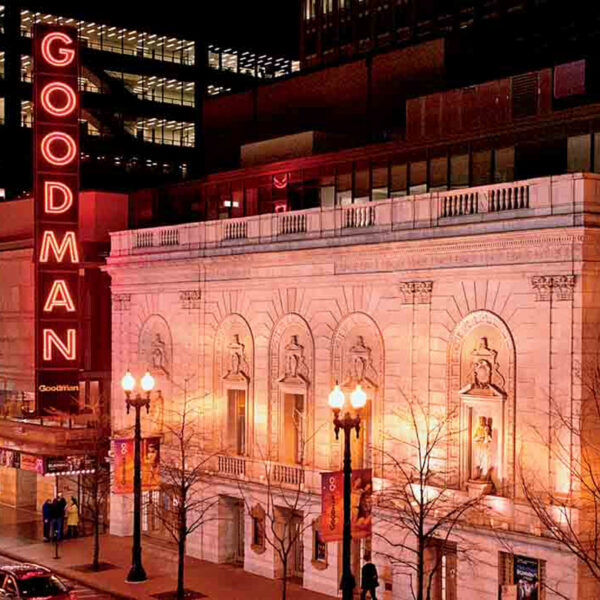
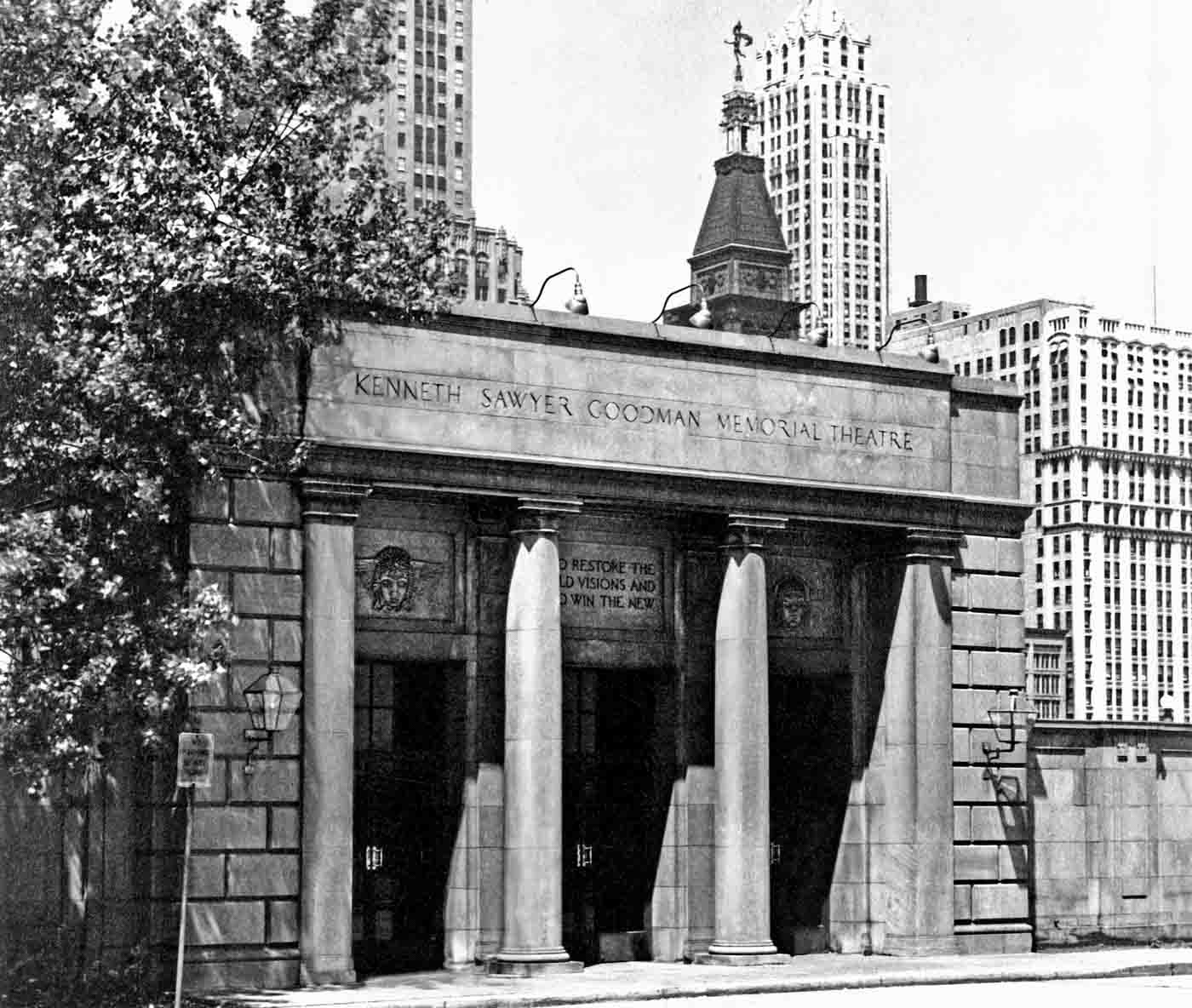
In 1925, while a slew of new high-rises on Michigan Avenue was scratching the sky, Goodman Theatre was taking shape, much of it underground, in a space designed by Howard Van Doren Shaw. Those Michigan Avenue buildings have long been dwarfed, and the Art Institute’s Modern Wing now stands at the theatre’s original location. Yet, some things never change, and at 100, Goodman Theatre remains one of the soul-satisfying constants of life in Chicago.
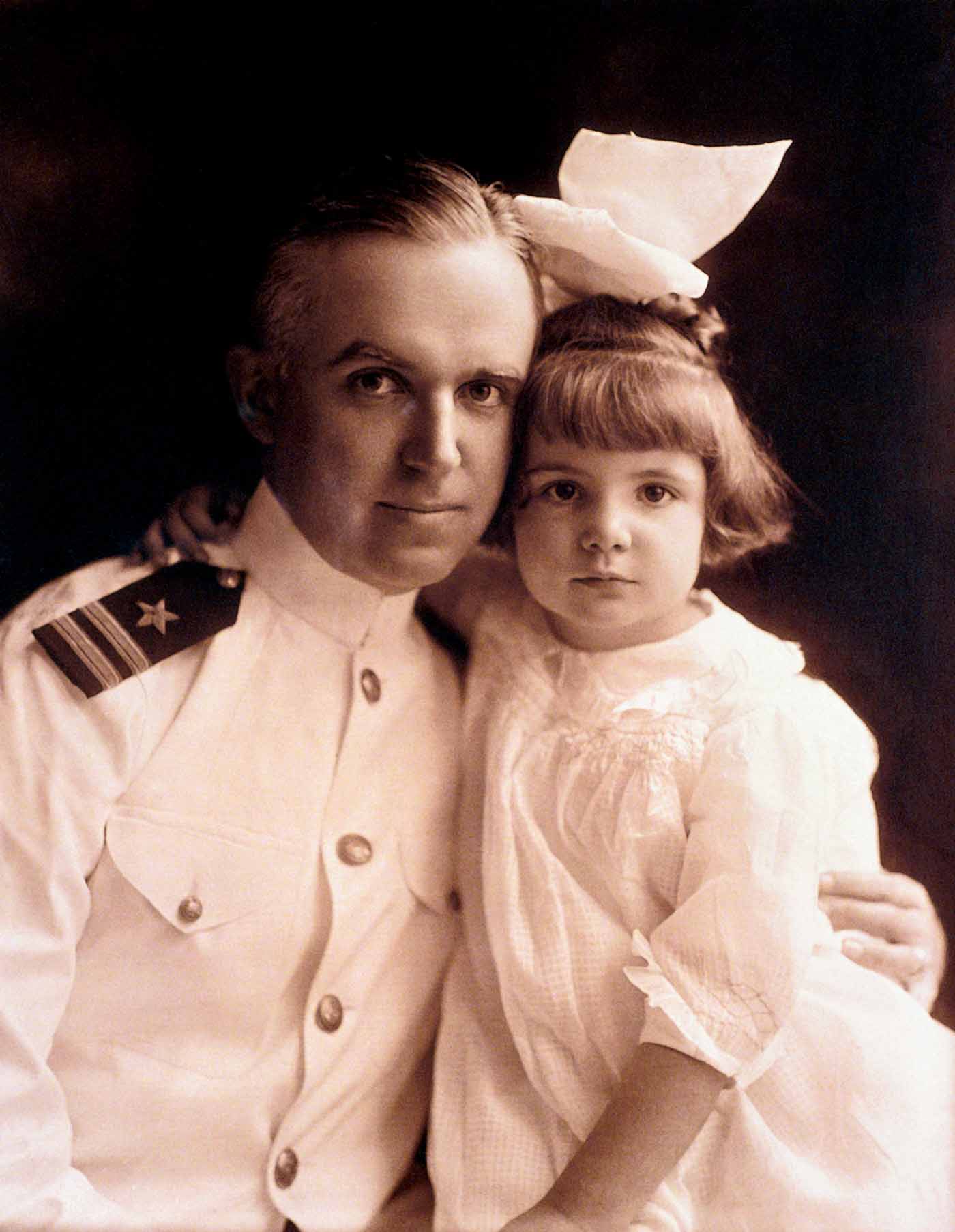
The city’s oldest and largest nonprofit theater, The Goodman was established as a memorial by the parents of Kenneth Sawyer Goodman, an aspiring playwright and Navy serviceman lost to the influenza epidemic of 1918. Since its founding, The Goodman has shaped Chicago’s theater scene and earned national accolades. Under the leadership of former artistic director Robert Falls, who helmed the organization for 36 years, the theater’s programming and outreach grew dramatically, earning a Tony Award for Outstanding Regional Theatre. When Goodman Theatre opened its current facility in 2000, it was instrumental in reviving the Randolph Street theater district.
The Goodman marked its centennial with a busy 2025/2026 season. In addition to presenting three world premieres—Lee Kirk’s Ashland Avenue, starring Jenna Fischer of The Office; Richard Greenberg’s adaptation of Philip Barry’s Holiday; and Iceboy!, or, the Completely Untrue Story of How Eugene O’Neill Came to Write The Iceman Cometh, featuring Megan Mullally of Will & Grace—the Goodman partnered with David Byrne of Talking Heads fame for the immersive Theater of the Mind experience in the Reid Murdoch Building in the River North neighborhood. On top of all that, in partnership with the Department of Cultural Affairs and Special Events, The Goodman initiated 100 Free Acts of Theater, which brought performances to every one of the city’s 50 wards.
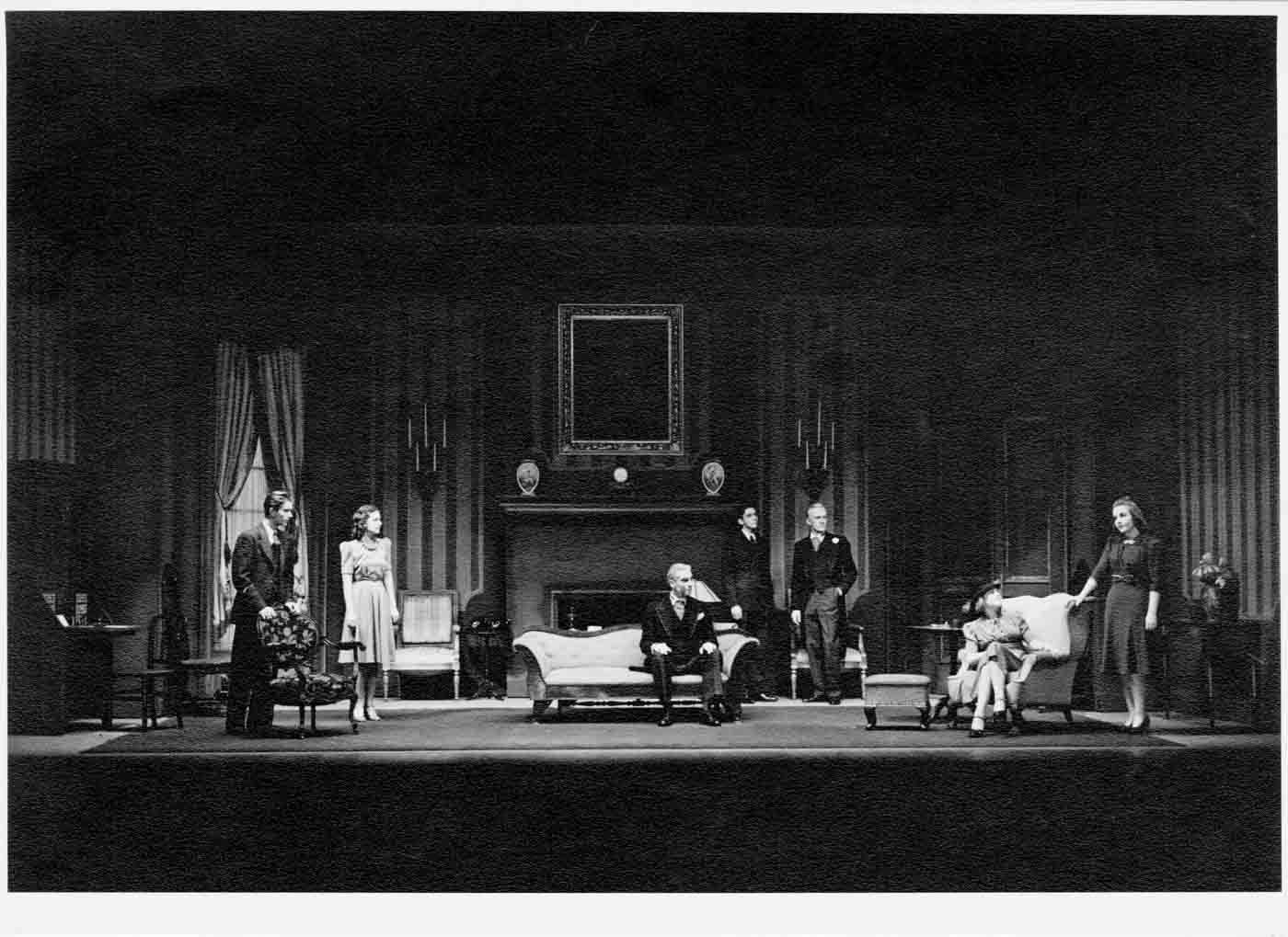
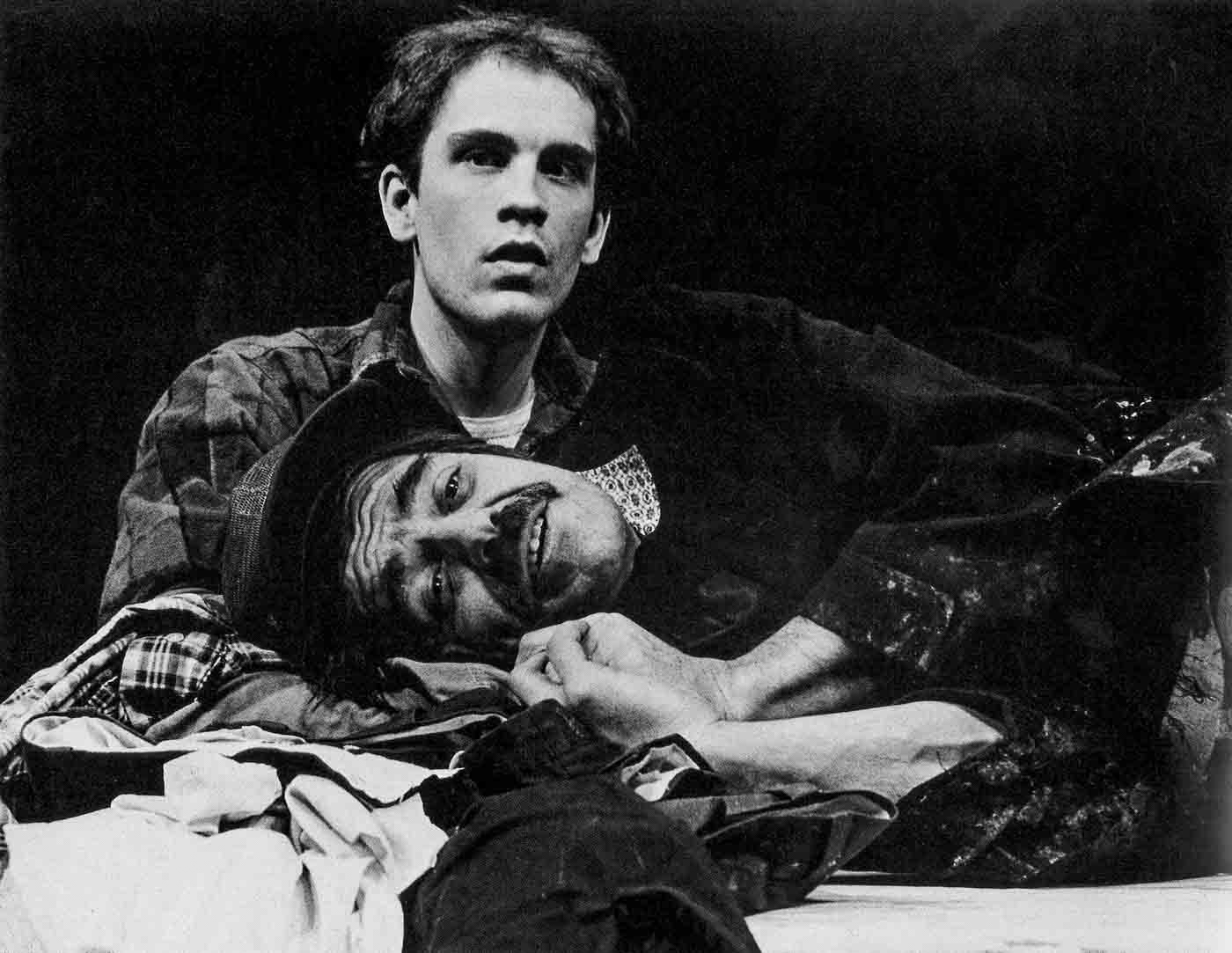
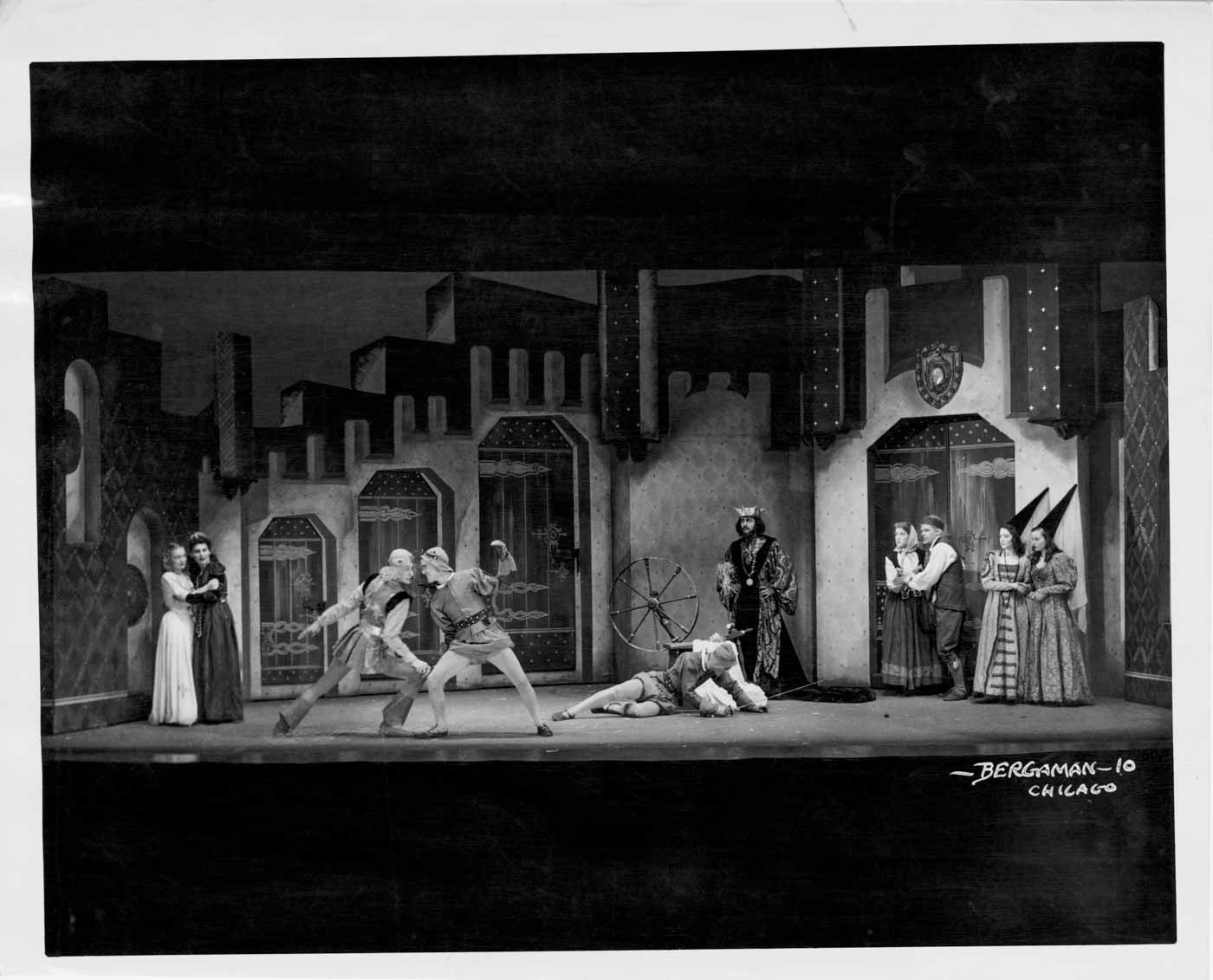
The Goodman enters its second century under artistic director Susan Booth, who served as the theater’s Director of New Projects in the 1990s before leading Atlanta’s Alliance Theatre. “Two things were very important to me when I returned to The Goodman in 2022,” says Booth. “One was that we enlarge our definition of what constitutes a classic. The first show I directed here was Margaret Atwood’s The Penelopiad, which is a retelling of The Odyssey from the point of view of Penelope, the wife of Odysseus. It’s a great example of asking, ‘What do we mean when we say classic?’ My other concern stemmed from the notion that a play can be a mirror or a window; it can reflect the experience of one audience member or allow another to access a story they might not encounter otherwise. We have a responsibility to be a mirror or a window to as many people as possible.”
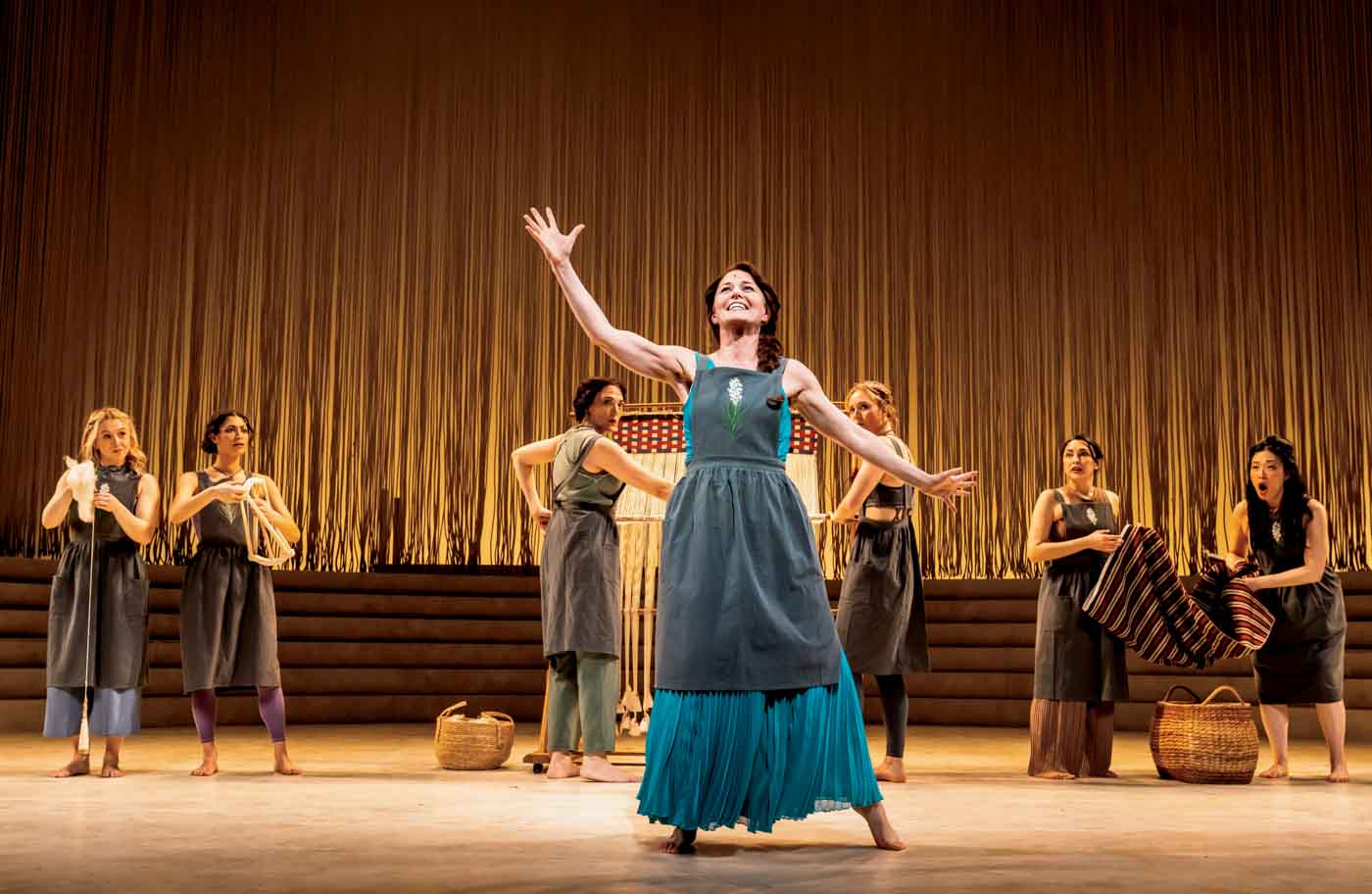
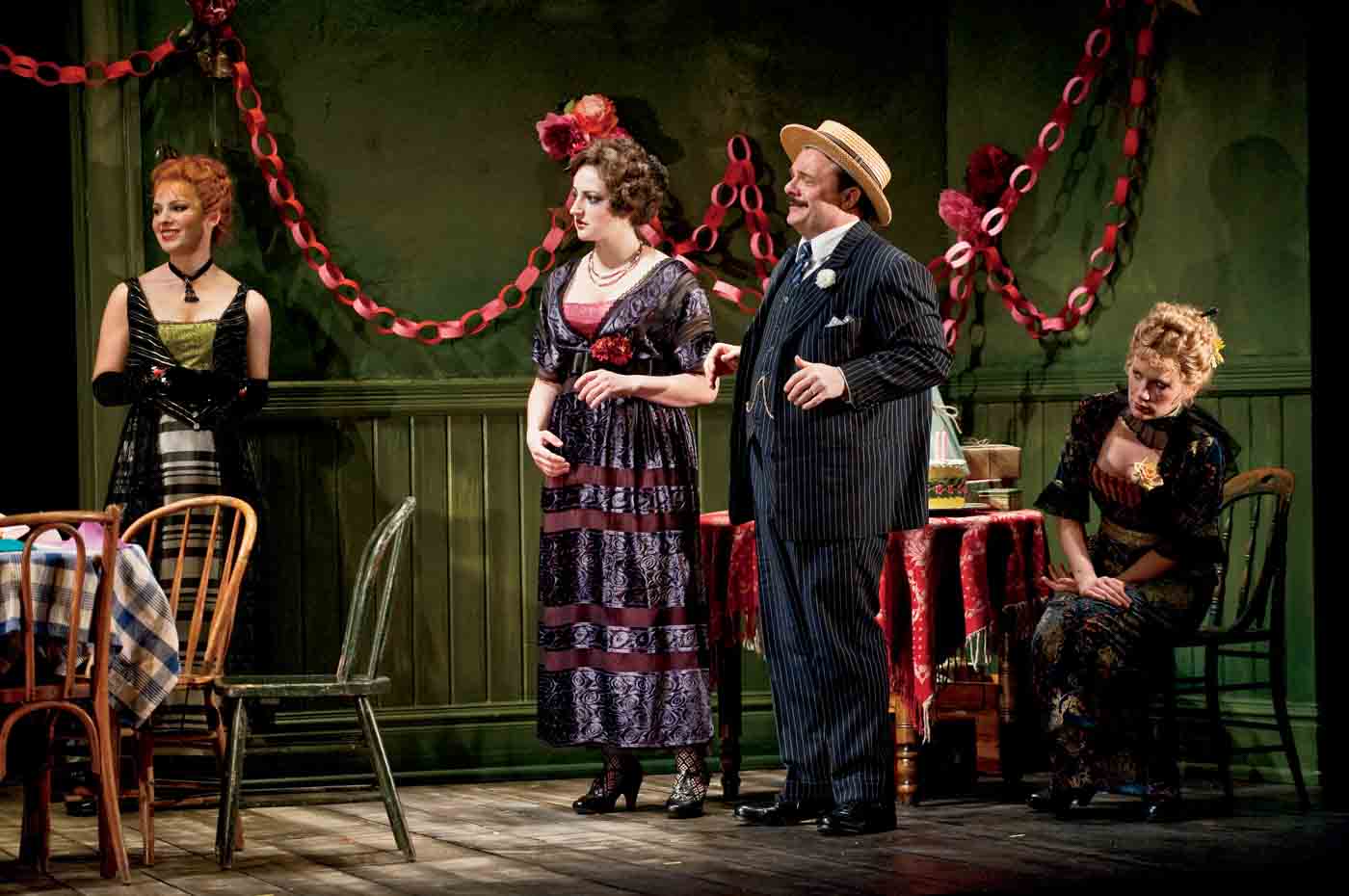
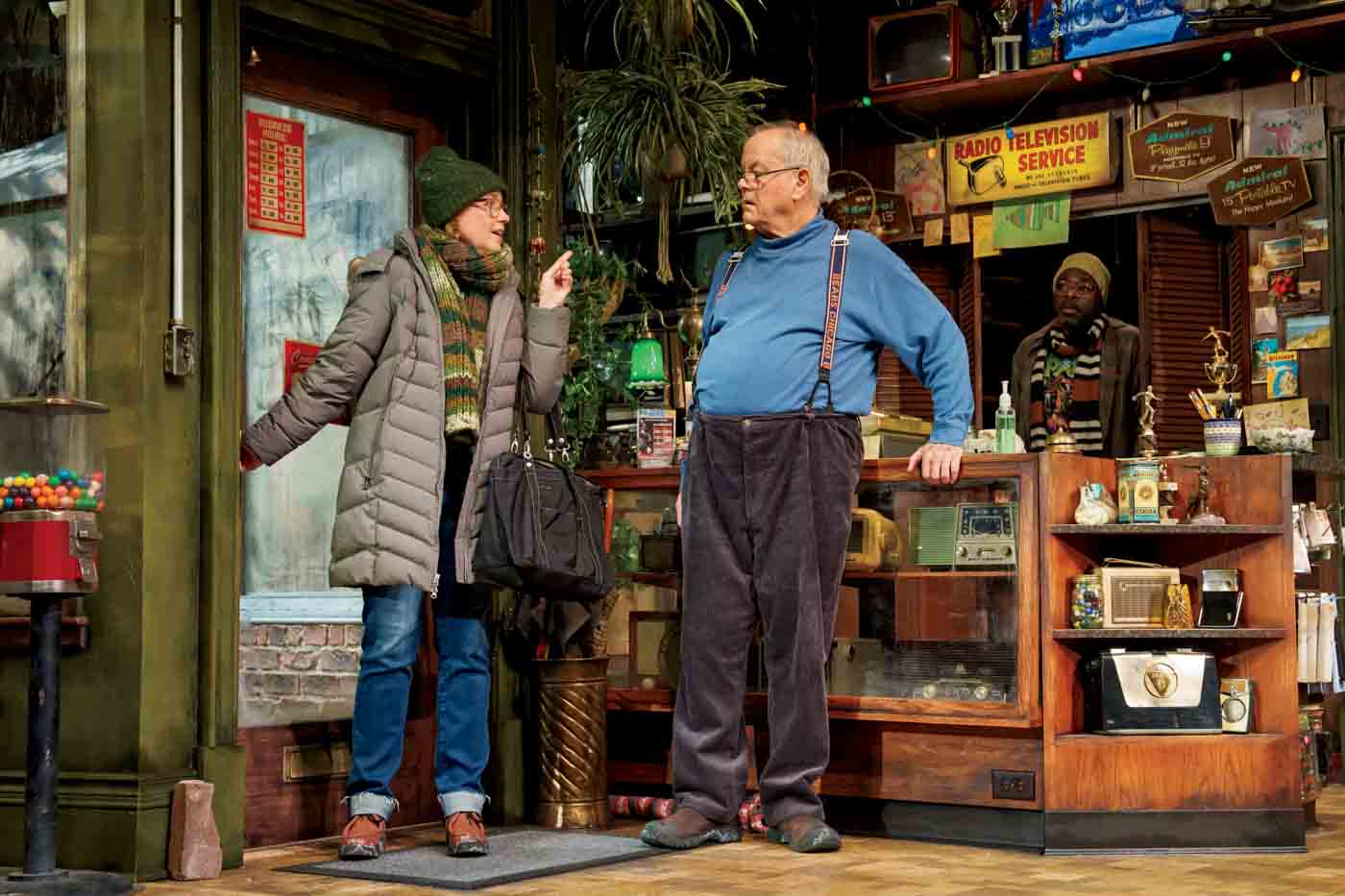
Shaping up a season isn’t a snap. “The artistic director doesn’t come down from the mountain with a tablet and everything is in place,” explains Booth. “You make a commitment to one play and negotiate from there, programming in conversation with what you’ve already got in place. Sometimes a brilliant idea may come when 90 percent of the programming has been set, and you realize that the show is far too similar in style, tone, or subject matter to something we’ve already programmed. So, wonderful as it might be, it doesn’t belong in that season.” Orchestrating the 2026/2027 season, Booth cast a wide net. The line-up ranges from the intense, two-character 1983 Pulitzer Prize winner ‘night, Mother and the world premiere of Dead Girl Quinceañera by Phanésia Pharel to a revival of Green Day’s 2004 rock musical American Idiot and the world premiere of The Attic: Things I’ve Seen While Lying on My Back, from The 7 Fingers, a Montreal-based circus collective.
While The Goodman saw record attendance last season (hitting 300,000 attendees, the largest in its history), between the gut punch of COVID and the addictive attraction of digital media, attracting an audience takes work. Echoing The Goodman’s original mission, “To restore the old visions and win the new,” Booth sees a glass half full. “Everything has to resonate in the moment you are living in, and the beauty is we’ve got a millennium of dramatic texts in the rearview mirror, but more excitingly, we have contemporary theater makers who are pushing the boundaries of form and asking who’s in the audience and, more importantly, who’s not? Theater is profoundly durable as long as you remember it is profoundly flexible. You can beat this art form up; it’s not going anywhere. As long as you don’t become rigid in how you define it.”
For more information, visit goodmantheatre.org.