First Class | Oct. 2026
A TIVOLI TOUR OF PORTUGAL
By Redding Worth
Views of Douro River and Porto

JWC Media
a luxury lifestyle website that delivers a colorful and passionate telling of neighboring events, fashion, beauty, finance, and the pursuit of leisure.
By Redding Worth
Views of Douro River and Porto
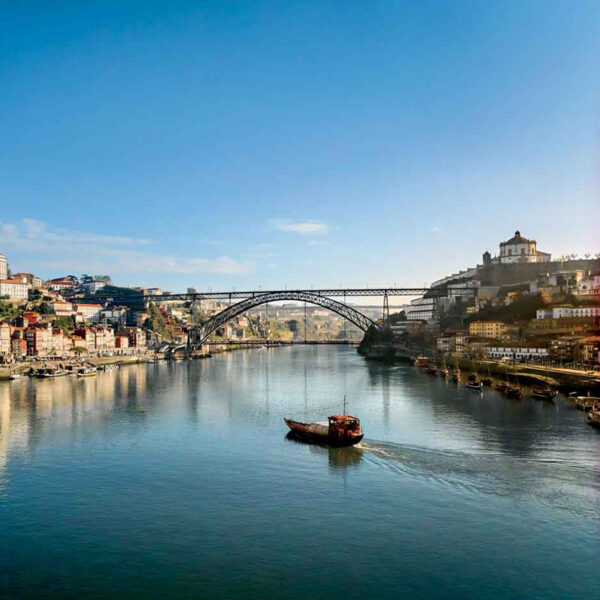
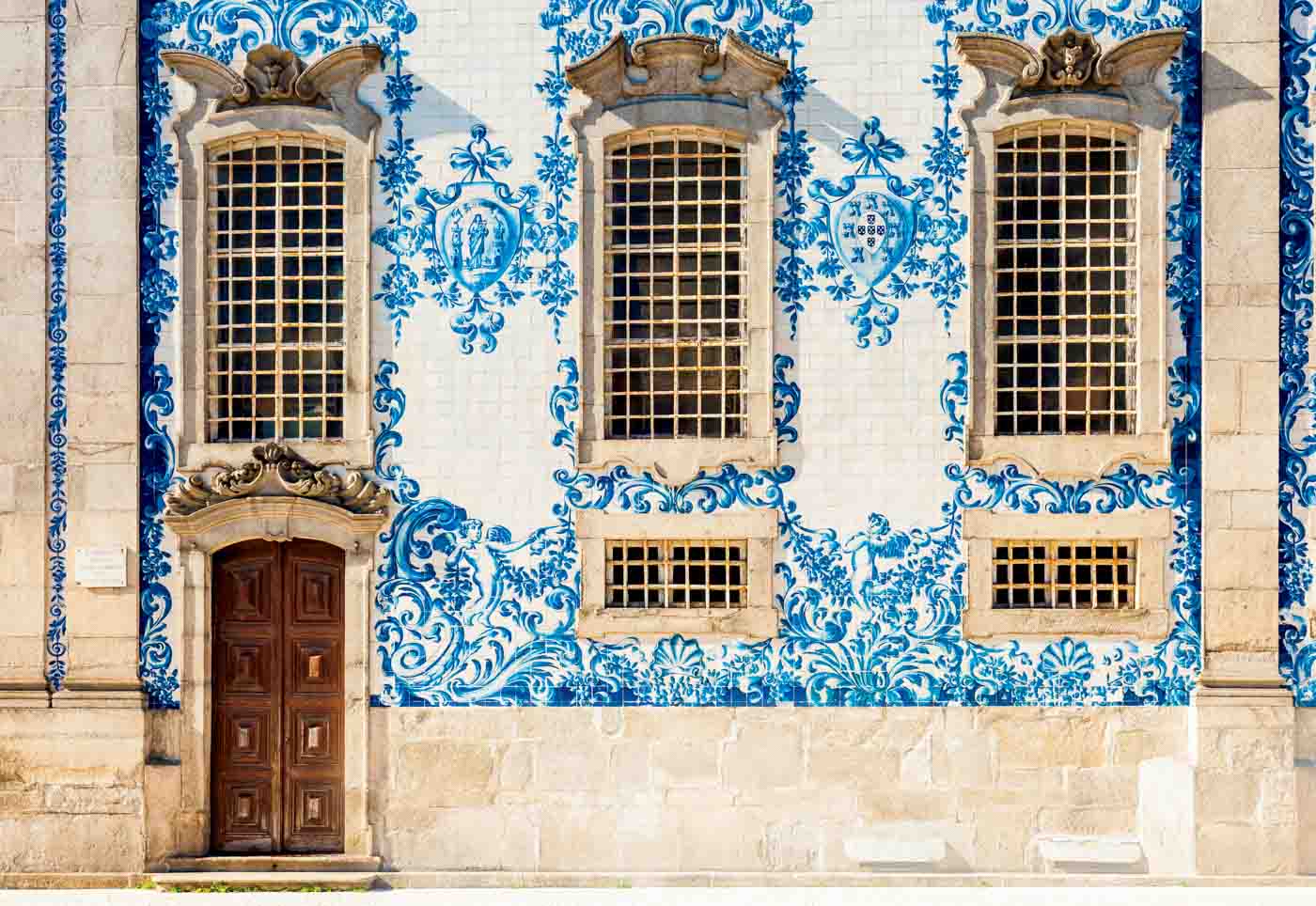
Tivoli Hotels & Resorts, founded in 1933 and recognized as Portugal’s oldest hotel brand, understands how to capture the essence of a place. Through service, design, food, and thoughtful details like a handwritten note, a locally inspired meal, or a perfectly timed glass of wine, the hotels reflect each destination’s temperament and history.
Over eight days, Tivoli became our compass through Portugal, leading us from Porto, where the famed Douro River winds through the heart of the city, to the restorative calm of Estela, and finally to the cliffside drama of the Algarve.
STAY: TIVOLI KOPKE PORTO GAIA
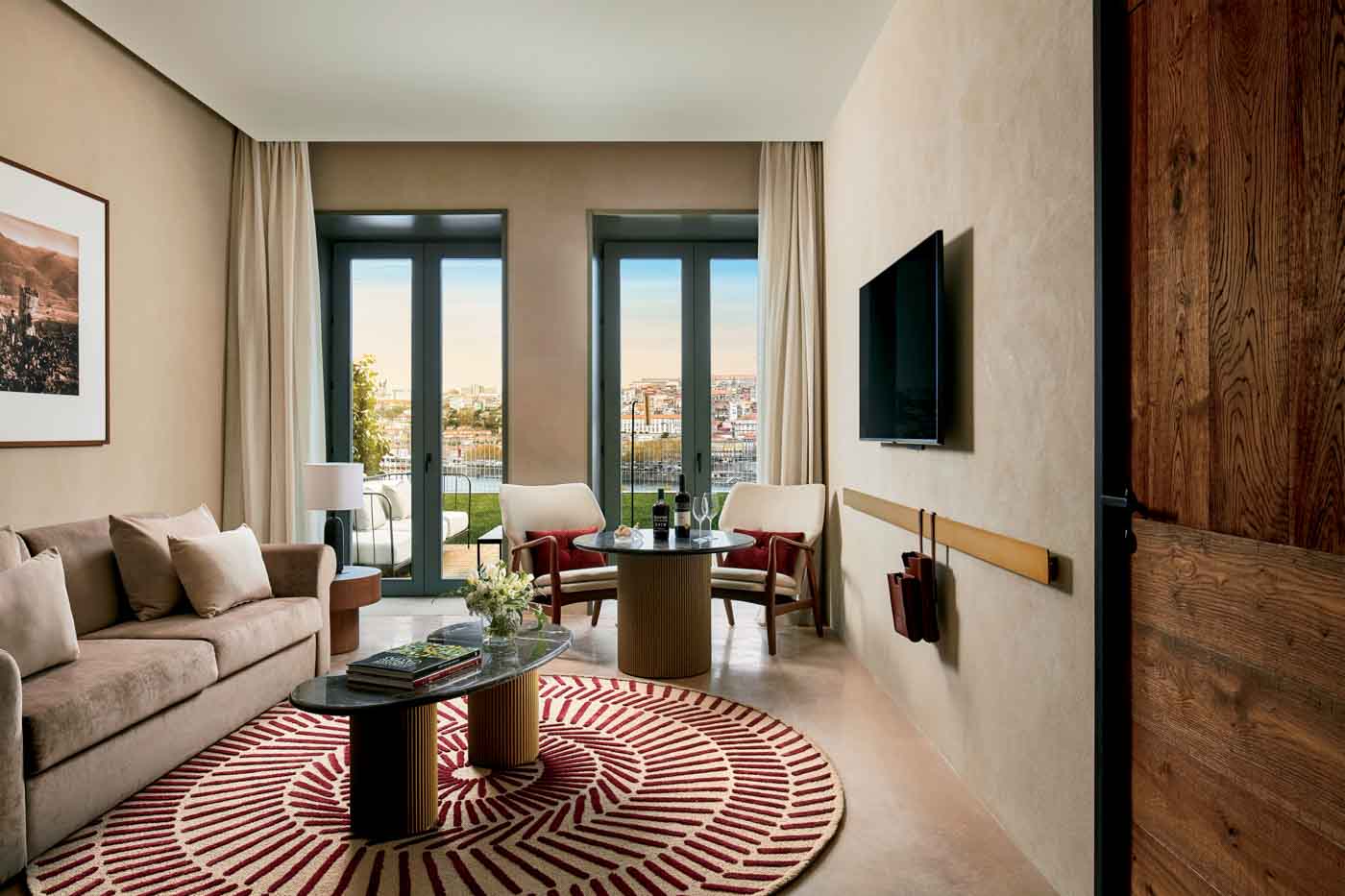
Our first stop, Vila Nova de Gaia, placed us immediately inside Porto’s riverside world; a world drenched in beauty, port wine, and old-world romance.
Opened in 2025, the new five-star hotel is located just across the Douro River from Porto’s UNESCO World Heritage city center. The hotel is part of the historic Gaia riverside. Once defined by port cellars and warehouses, the area has transformed into a vibrant district of museums, restaurants, shops, bars, and wine experiences.
Upon arrival, we were greeted with a glass of white port, and in our room, we found a handwritten welcome note. These small gestures offered the first hint of the heightened service we would experience throughout our trip thanks to the Tivoli brand.
The hotel was created in partnership with Kopke, founded in 1638 and recognized as the world’s oldest port wine house. Its 149 rooms and suites include a Vintage Suite inspired by Kopke’s history. Our elegant and contemporary Kopke Garden Room overlooked the winding Douro, the lifeline of Porto that has shaped the region’s wine history for centuries. The views were exquisite; boats drifted along the water below, and on the opposite bank, the city seemed to rise from the river in layers of terracotta, stone, and light.
The first afternoon, we had lunch at Boa Vista Terrace, a restaurant with a relaxed atmosphere and an Atlantic-inspired menu paired with wines from distinct terroirs, including Quinta de São Luiz and Quinta da Boavista. The ceviche was fresh and luminous; each bite sharpened with citrus and softened by the fish’s delicate sweetness. The razor clams were beautifully cooked, tender and briny, carrying the clean mineral taste of the sea. Sometimes the first meal at a hotel tells you everything. Here, it said: settle in, look around, you are in good hands.
Later, as we walked through the property, the hotel’s identity began to reveal itself. Tivoli Kopke is not only a place to stay, but an immersion in a world built around wine, wellness, art, and gastronomy. Throughout the halls, gardens, and public spaces, an extraordinary curated collection brings together modernist and contemporary works by internationally acclaimed artists, including Vhils, Joana Vasconcelos, Alexander Calder, and more. I have never encountered a collection of this scale or caliber in a hotel before. From floor-to-ceiling installations to intricate paintings and sculptural works tucked into quiet corners, each piece felt intentionally placed, inviting surprise at every turn.
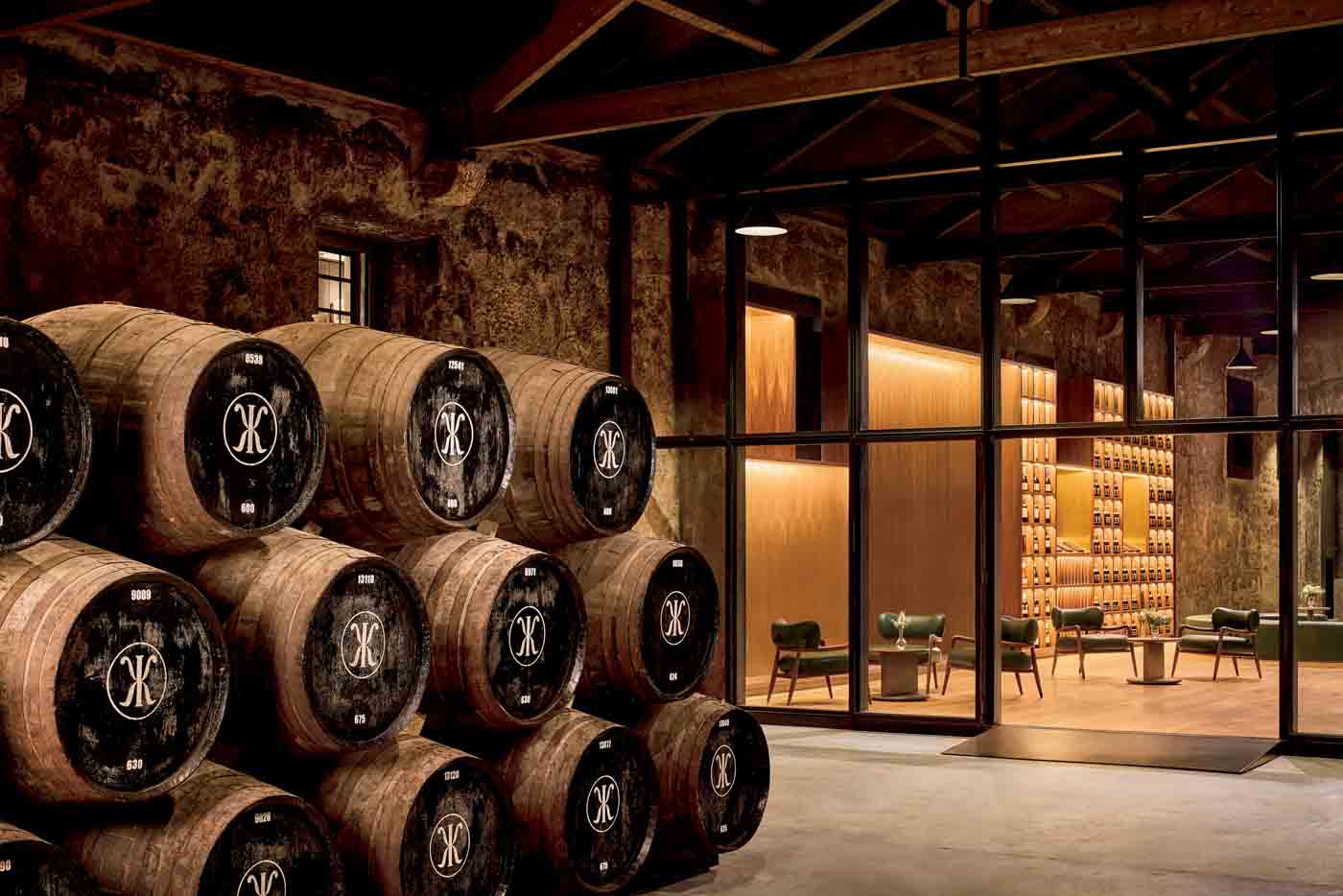
The historic Kopke cellars are extraordinary, housing precious old wines, including tawny ports and rare white ports. Tasting port here is a chance to savor sweetness, depth, and the magic of time. The cellar experience gives the hotel a subterranean heartbeat below the polished rooms and restaurants above.
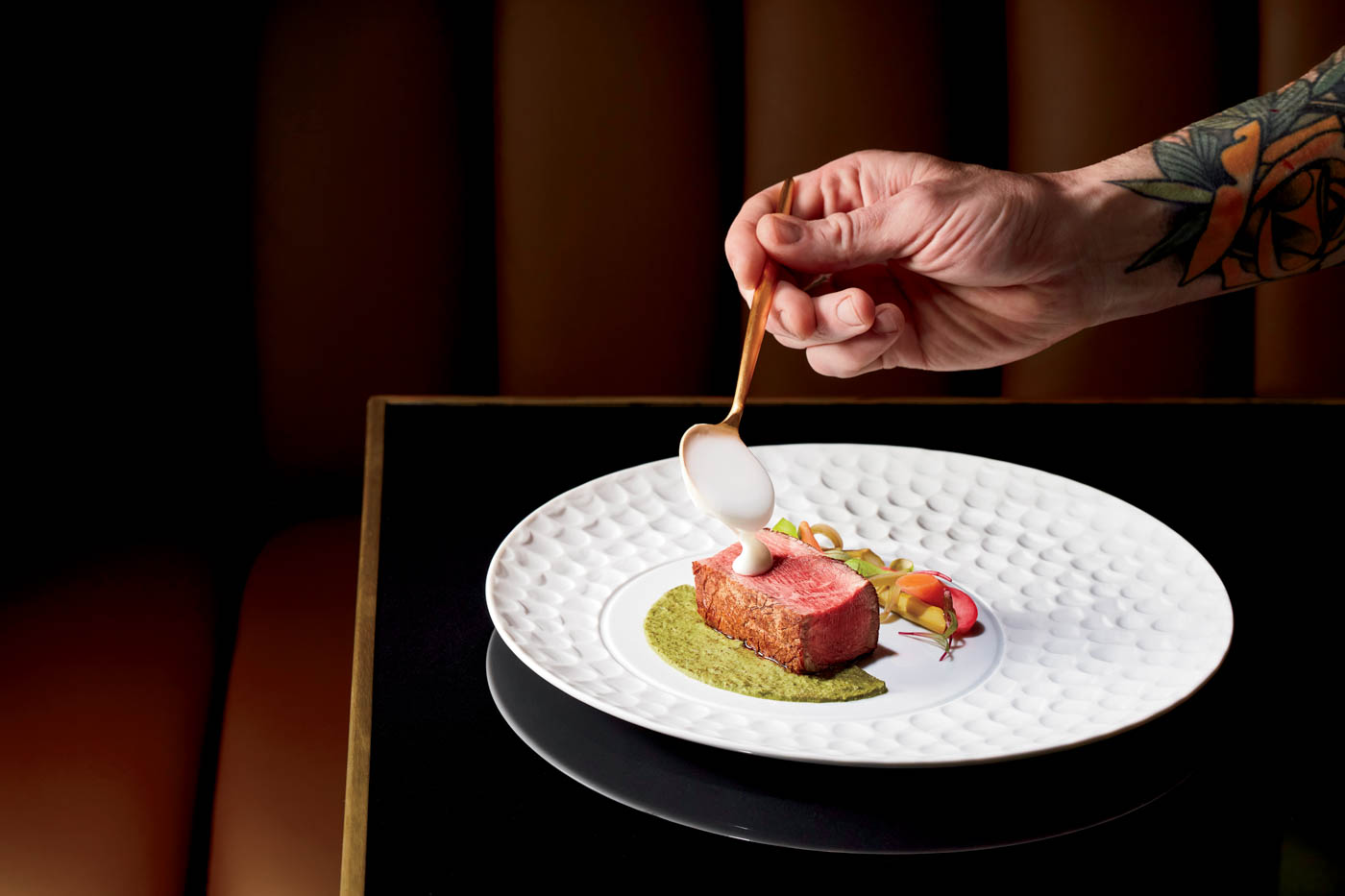
After touring the property, we dined at 1638 Restaurant & Wine Bar by Nacho Manzano, an acclaimed Spanish chef, whose career began in his family’s kitchen in Asturias and led to three Michelin stars at Casa Marcial. At Tivoli Kopke, his cooking draws from Iberian tradition, the Douro, the Atlantic, and the emotional memory of childhood. We experienced the nine-course tasting menu, which began with storytelling. We each received a card explaining what each course represented, with dishes connected to the chef’s childhood and personal history. Rather than feeling like a parade of technical achievements, dinner became a narrative: memory translated into texture, scent, temperature, and taste.
One of the most memorable dishes was the trout. It arrived nestled in a small wooden box, resting on a mossy rock as if lifted from a riverbank in a fairy tale. The dish was delicate, precise, yet earthy, with the trout’s softness balanced by the visual drama of its presentation. It was the sort of course that made us fall silent for a second, not because we had nothing to say, but because the food had briefly taken our breath away. It is easy to understand why the restaurant recently earned a Michelin Recommendation.
The wine pairings drew on Douro wines and Kopke ports, including white and tawny ports that carried the age and patience of the cellars below.
The next day, our day of exploration began with a leisurely stroll down the city’s sunny riverfront promenade lined with restaurants, bars, port houses, and opportunities for river cruises. Nearby, the House of Kopke offers tastings of aged tawny ports, white ports, and single harvests, while the surrounding port wine cellars speak to Gaia’s long history as the home of warehouses and wine aging.
Across the Luiz I Bridge, Porto’s Ribeira unfolds in all its beauty: cathedral towers, colorful facades, markets, steep streets, and tiled roofs. Nearby attractions include Palácio da Bolsa, a 19th-century palace whose Arab Room dazzles with gilded detail, and Torre dos Clérigos, the baroque tower that has become one of Porto’s great symbols.
What felt most magical, though, was the music. It seemed to drift from every corner of the city, rising from narrow streets, open squares, and shaded doorways. Musicians lined the walkways with guitars, accordions, violins, and voices, filling the air with mesmerizing melodies.
When my feet began to stage a rebellion after a long day of wandering, we returned to the hotel where the Tivoli Spa provided the diplomatic solution. The spa is a calming sanctuary, with five treatment rooms including one for couples, and offers personalized treatments and beauty rituals. The broader wellness facilities include a gym, sauna, hammam, indoor pool, and outdoor pool. There is something especially restorative about floating in a temperature-controlled indoor pool while looking out through floor-to-ceiling glass toward peaceful gardens and Porto’s waterline.
Lunch the next day was tapas by Nacho Manzano at 1638 Wine Bar. After the ceremony of the tasting menu, the tapas experience was more relaxed but equally expressive. The menu brings together bites such as smoked fish, Ibérico ham, caviar, truffles, and port cocktails, allowing guests to taste the same culinary imagination in a more casual manner in a striking setting where bottles rise in a stunning display, and sommeliers can guide guests toward both celebrated labels and hidden Kopke treasures.
The hotel’s other venues each offer a different mood. Sky Bar Kopke, open seasonally, sits on the rooftop and is especially beautiful at sunset, when the changing light over Porto’s old town calls for celebratory toasts and bountiful tapas. The Pool Bar, set among tranquil gardens, serves drinks and light meals for afternoons spent swimming, reading, and pretending one might never need to answer email again.
One of the newest cultural offerings is the Kopke Wine & Jazz Music Club, set within the historic port wine cellars. The club combines live jazz and blues, guided cellar tours, and wine tastings among millions of liters of aging port. It was the perfect end to every evening.
By the time we checked out, Portugal had already worked its way into my heart. And the best part was knowing Vila Nova de Gaia was only the beginning.
STAY: TIVOLI ESTELA GOLF & LODGES
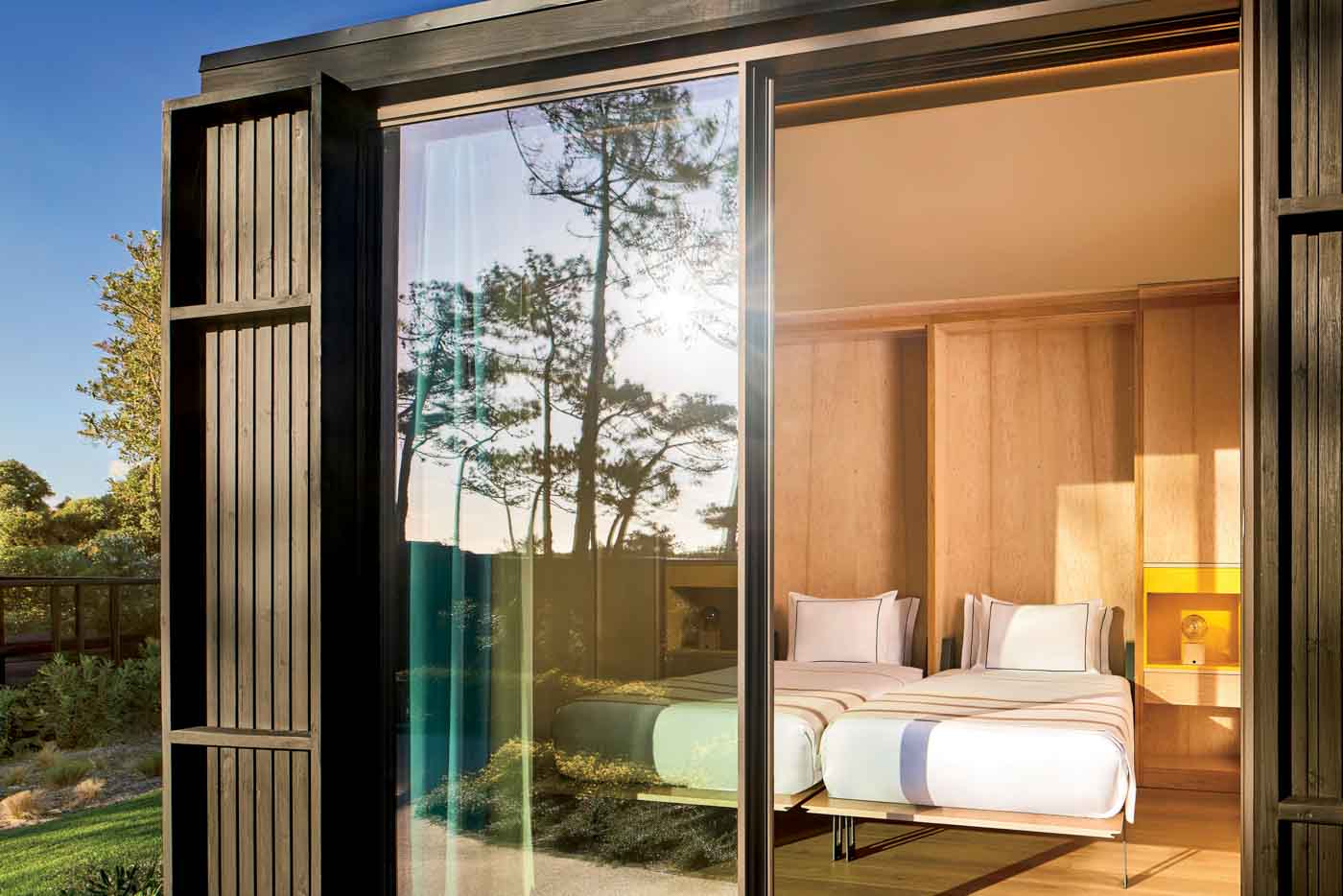
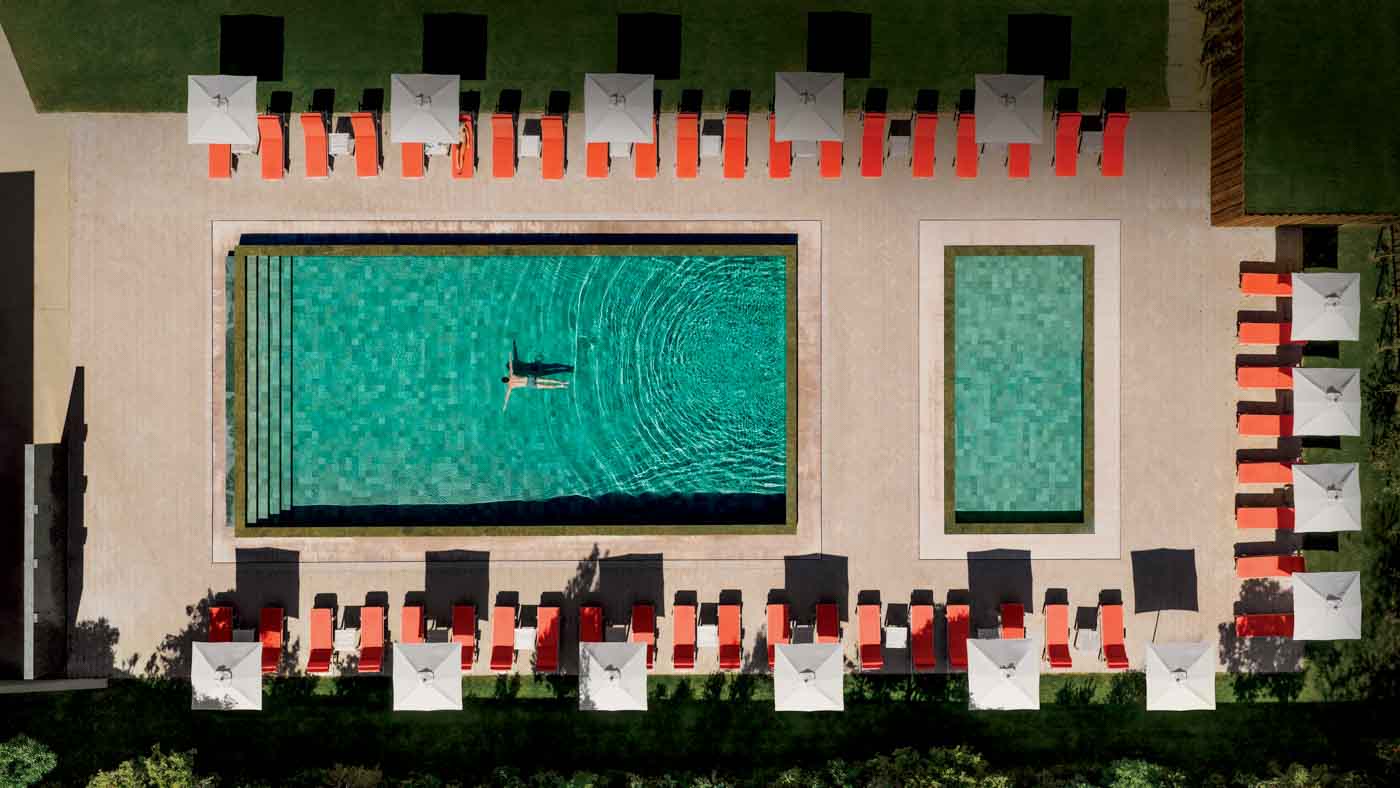
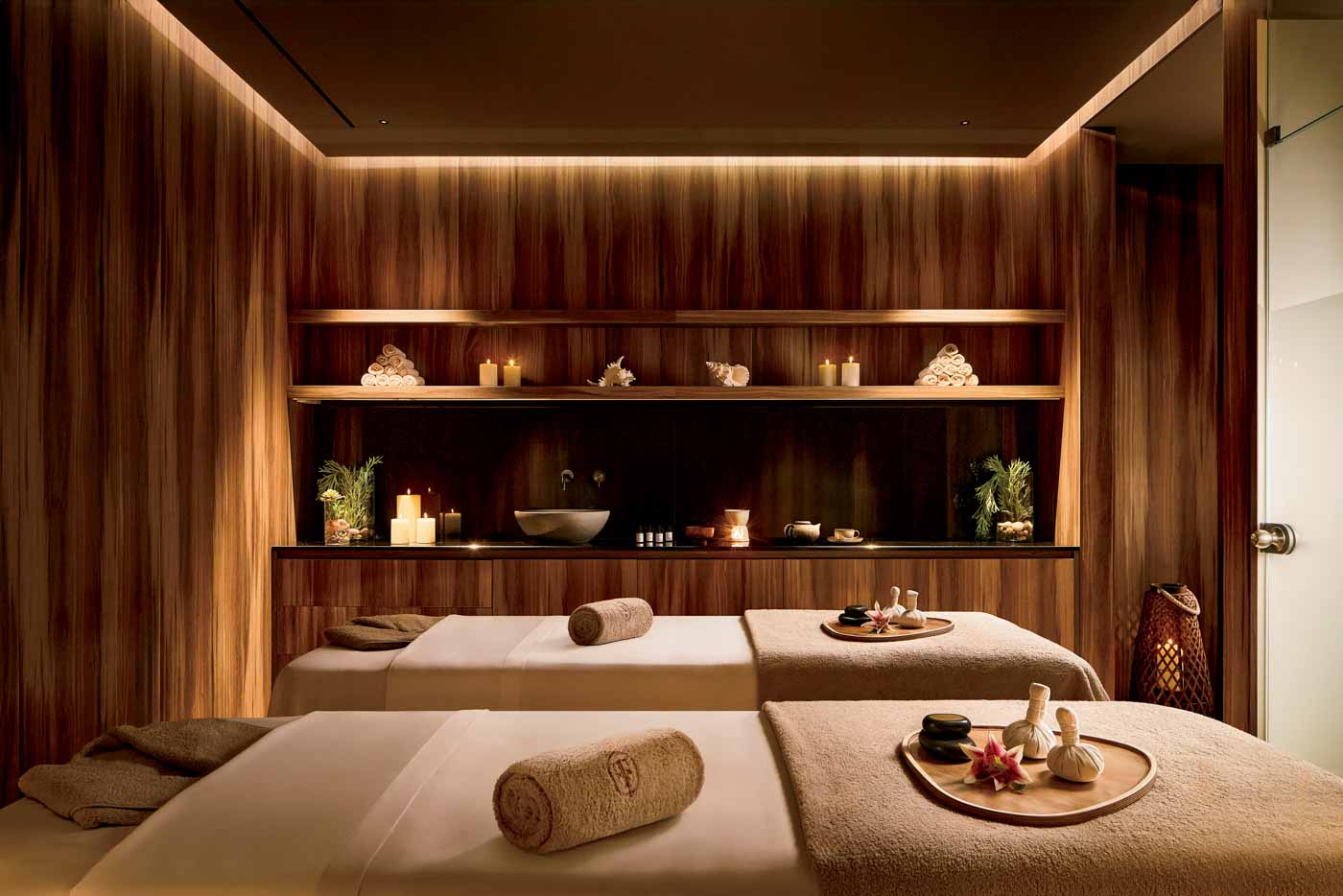
A short 45-minute drive from Porto, we found ourselves in the haven of Tivoli Estela Golf & Lodges. The soft air was filled with birdsong that rose and fell like a symphony.
Located in Póvoa de Varzim, the resort sits beside Estela Golf Club, close to the beach and surrounded by the landscape of Portugal’s northwest coast. The property is a nature retreat, with 80 wooden lodges arranged across 20 acres of lush grounds. Within this luxury of space, Estela helped us turn inward, finding both peaceful quiet and moments for movement and wellness.
Estela Golf Club is an 18-hole links course known for its Atlantic setting. The course stretches between sea and greenery, with wind, dunes, and wide coastal views shaping the experience. For experienced players, it offers a memorable challenge; for beginners, it is a beautiful place to learn why golfers speak about courses with the reverence usually reserved for cathedrals.
Our lodge had the feeling of a small private sanctuary designed to feel modern while still honoring the natural space. Wood, soft greens, browns, and beiges give the interiors a sense of calm. Glass doors and terraces connect each lodge to the surrounding outdoors; our favorite part was our terrace, perfect for a morning coffee while listening to the wind whistle through the trees.
Each evening, we returned to Green’s Restaurant. After overhearing our wish to try traditional dishes, our waiter surprised us with a tableside dish of potatoes, egg yolk, and sausage, in the family of ovos rotos: rustic, rich, and exactly the sort of dish that tastes best when eaten at the end of a long day spent outside. This was just one of the many times when the hotel staff went above and beyond, making every interaction feel sincere.
Each morning, we made it a ritual to visit the spa, where an indoor heated hydrotherapy pool, a Turkish bath, and a sauna created a full circuit of restoration. The space itself was extraordinary; warm light fell across terracotta loungers, and floor-to-ceiling windows opened onto green stillness. Spa treatments draw on holistic, Eastern-inspired therapies that align perfectly with the property’s slower, nature-focused identity. On day two, I enjoyed a massage. One minute I was lying down, determined to stay awake and appreciate every detail; the next, I had dissolved into strawberry-scented nothingness.
Estela is also a resort for people who like to move. During our stay, I fit in yoga, padel, and golf, each experience revealing a different side of the property.
For guests who want to explore beyond the resort, Tivoli Estela offers a range of curated experiences. The Vintage Wine Travel experience unfolds on the Douro, where guests board elegant private boats from Pinhão and drift through one of Portugal’s most storied landscapes. With a glass of wine in hand, the river becomes part of the tasting itself: blue water beneath you, terraced vineyards rising on either side, and the valley unfurling like a painted scroll.
By our final morning, the property had worked its quiet magic. It is a place for long breakfasts, fresh air, spa rituals, golf shoes by the door, and the rare pleasure of doing little without feeling like you are missing anything at all.
STAY: TIVOLI CARVOEIRO ALGARVE RESORT
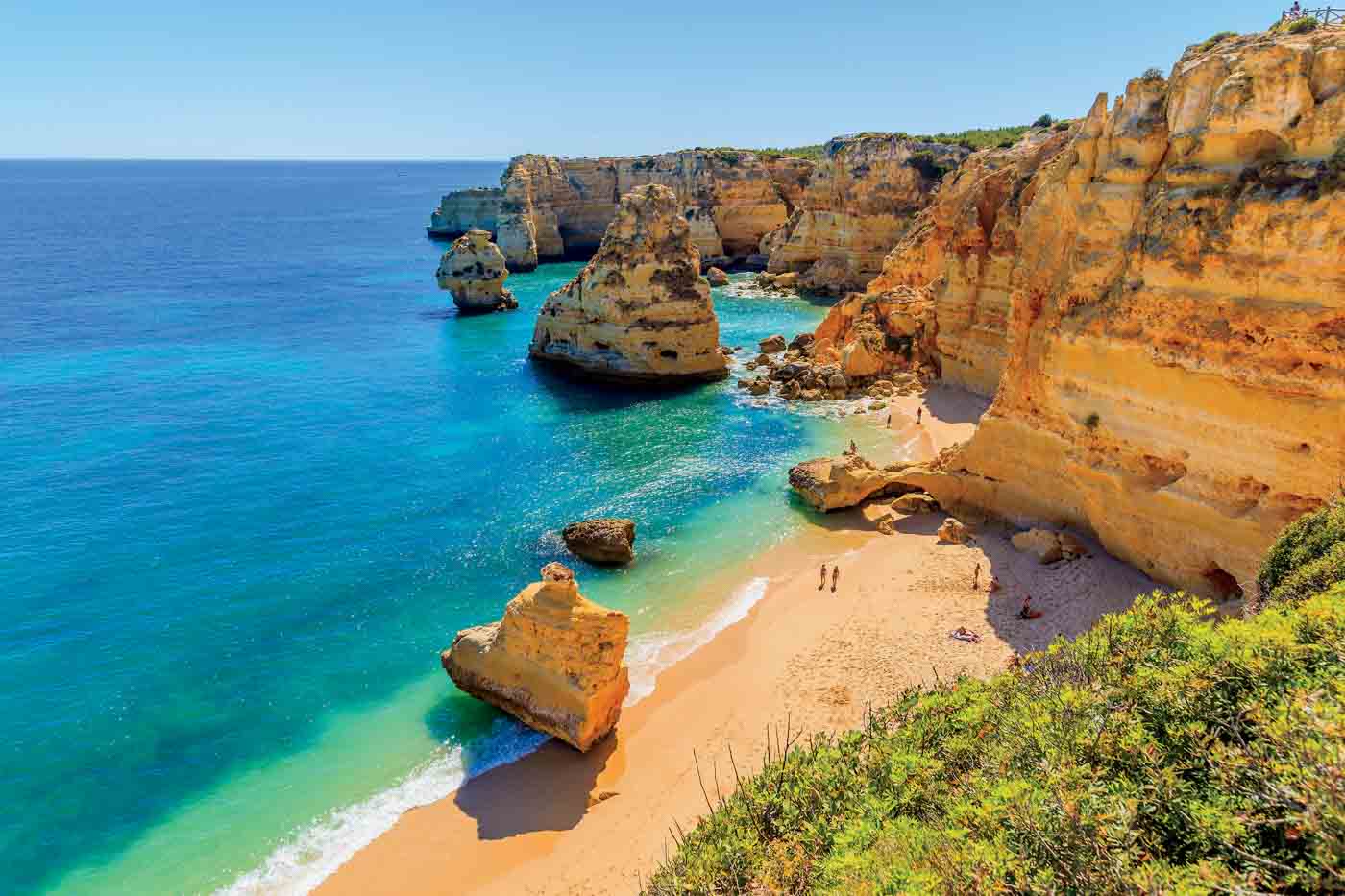
Our last stop was the Algarve, a short flight from Porto to Faro. On the drive to the resort, color palettes shifted from airport neutrals to coastal blues, limestone cliffs, and the pale gold light of southern Portugal.
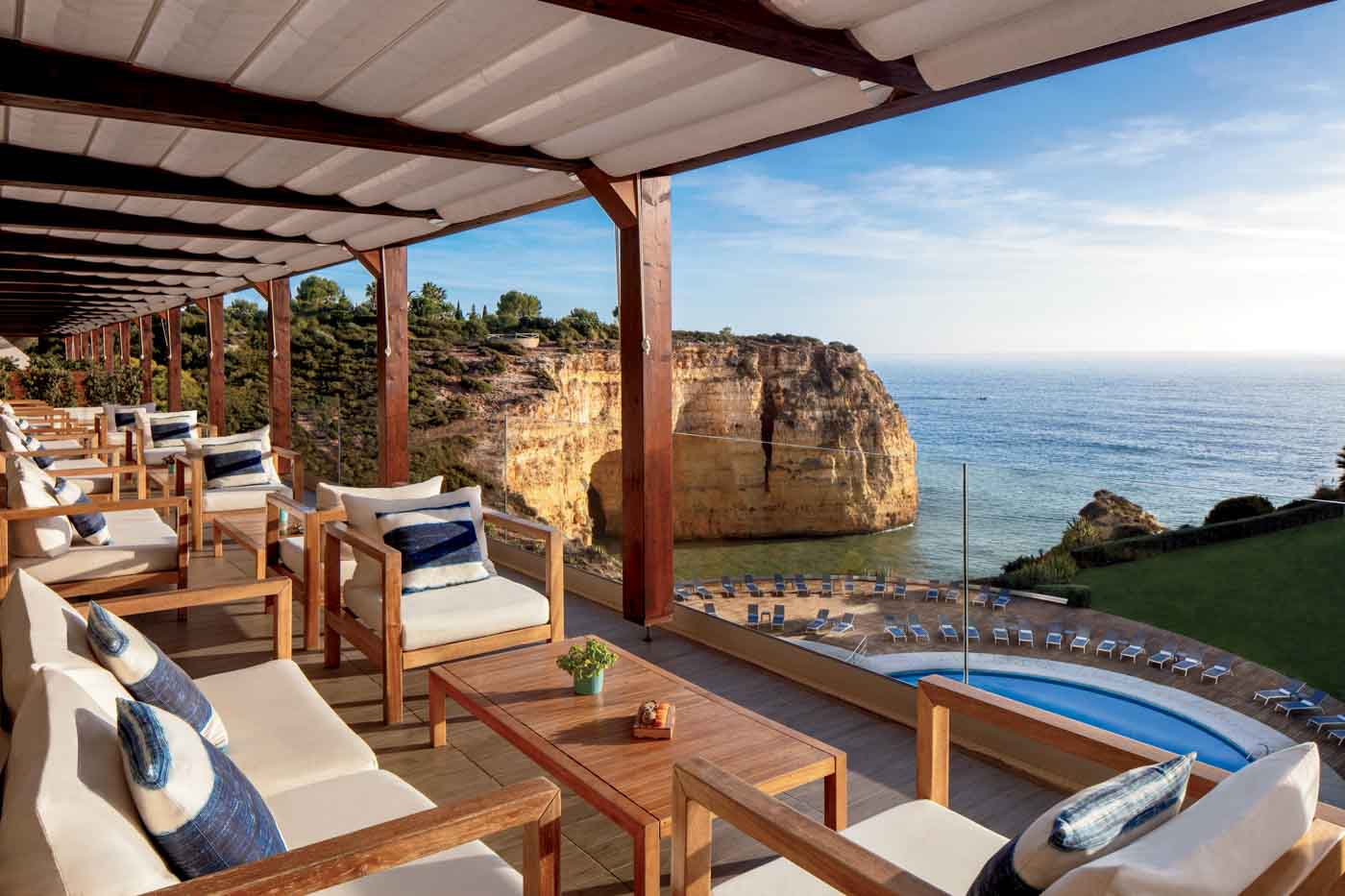
Tivoli Carvoeiro is carved into the cliffs of Vale Covo, with terraces, restaurants, and guest rooms all oriented toward the drama of rugged, oceanside cliffs burnished gold by the incomparable light. The five-star, family-friendly resort has 248 rooms and suites, yet it never felt overcrowded, just perfectly serene.
The lobby opens into bright, expansive spaces, and the resort’s design balances contemporary comfort with the Algarve’s natural textures. Our room, a Premium Room with Sea View, was exactly what you hope for when arriving at a cliffside resort: calm, bright, and luxurious. The balcony faced the Atlantic and the mesmerizing cliffs, making the view the room’s centerpiece. Inside, soft whites, natural woods, and modern furnishings created a soothing retreat from the intense sun outside.
That first afternoon, we had lunch at Mare Bistro, the resort’s poolside restaurant. Set near the water and open to the Algarve sun, it specializes in relaxed Portuguese flavors, particularly fresh fish, seafood, and dishes designed for lingering lunches. I had a delicious fish kabob, which tasted like it had been caught just hours before—it was!
After lying by the pool for a few splendid hours, we headed to The One Restaurant for dinner. The Atlantic was just beyond the windows, glistening black and silver in the night. The restaurant celebrates Portuguese fine dining through a contemporary lens, drawing from traditional products and regional inspiration. I started with scallop ceviche, followed by a saffron and lemon confit risotto with sautéed squid. Dessert was a cheesecake with Silves lemon meringue. It was even better than it sounds.
Our second day, we decided to embark on the trail right outside the hotel that follows the coastline. We walked high above the Atlantic as the path curved past limestone edges lined with wind-bent grasses. Eventually, we found a hidden beach tucked between the cliffs. Here, the surrounding rock rose on every side like walls around a secret room, and the sea flashed between turquoise and deep cobalt. We lay on the warm sand, sun-kissed and half-dreaming, slipping into the cool water whenever the heat became too much.
Later, we wandered into the nearby village, which carried the relaxed charm of an old fishing town with its whitewashed buildings, narrow streets, small cafes, and glimpses of the sea.
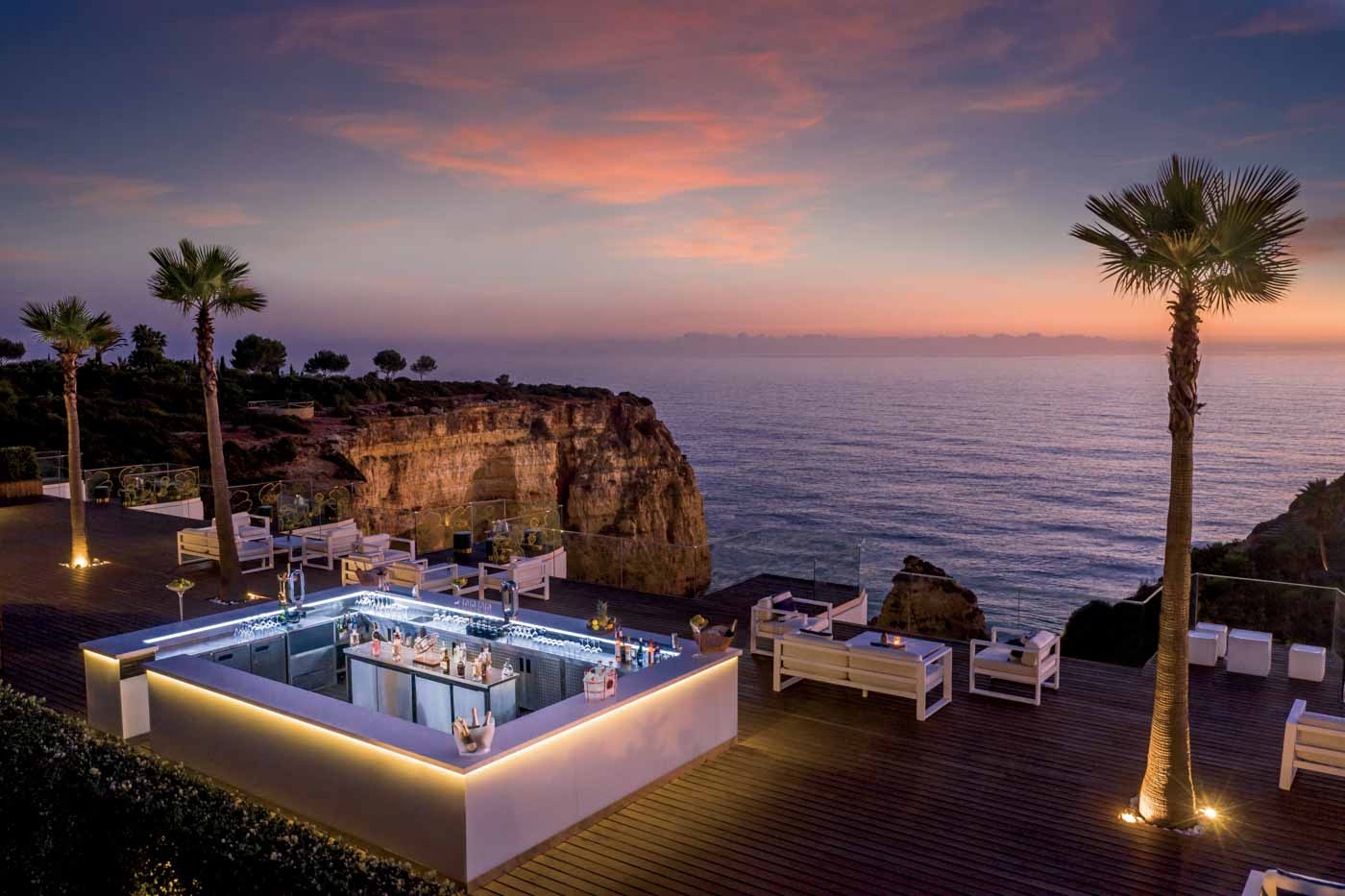
We returned to the resort for cocktails at Sky Bar Carvoeiro. As sunset began, margarita in hand, we took in the sweeping views with the Atlantic stretching endlessly and the sky shifting from blue to deep violet, the ocean catching each color in slow, shimmering fragments.
Dinner that evening was a sushi tasting menu at Azur Bar, which turned out to be the best sushi I have ever tasted. Each course arrived like a small, precise jewel: soft shrimp bao, delicate nigiri, bright tuna tiradito, tightly rolled uramaki and hosomaki, tuna tartare, amberjack ceviche, and crisp fried gunkas. I ended with the panna cotta and sesame crunch, a gentle finish to the most incredible meal.
By the final evening of our trip, what stayed with me most was not one single meal, room, or view, but the consistency of care. At each property, the service was deeply attentive, whether through a handwritten note, a staff member greeting you by name, or the way every room was designed with both comfort and setting in mind.
Tivoli’s hotels, each perfectly reflective of its location, allowed me to truly feel Portugal. I left Portugal with an imprint on my soul, salt on my skin, wine lingering on my tongue, and the feeling that I had not simply passed through three beautiful places but had been invited to understand them.
For more information, visit tivolihotels.com.